Step into any street or market in Singapore, and you’re immersed in a vibrant sensory adventure—a true reflection of Singaporean food culture. The island’s food scene is a cultural melting pot, where the sweetness of pandan waffles, the richness of coconut milk simmering in Malay kitchens, tangy chilli sauce, and savory dark soy sauce from bustling hawker stalls mingle.
Here, multicultural dining Singapore is a daily celebration of Chinese, Malay, Indian, and Peranakan culinary traditions.
Singapore’s vibrant hawker centres and family-style restaurants invite locals and visitors alike to explore generations-old recipes alongside inventive modern twists. This article guides you through Singapore’s diverse communities, highlighting ethnic influences, signature dishes, and the rich scenes of everyday dining.
Food Culture: Singapore’s Cultural Tapestry and Food History
Singapore owes much of its status as a cultural dining experiences capital to its strategic location and long history as a port city. During the 19th and 20th centuries, waves of immigrants from Southern China, Southeast Asia, the Middle East, and the Indian subcontinent brought with them rice flour dumplings, fish paste, and recipes for coconut egg jam.
These arrivals layered new flavors over an already diverse food culture. Many ethnic enclaves arose: Smith Street in Chinatown, Tekka Centre in Little India, and Geylang Serai, home to vibrant Malay and Peranakan food stalls.
Culinary Fusion and Living Food Traditions
Not only were ingredients and cooking techniques from Chinese culture, Malay influences, and Indian roots shared and adapted, but neighborhoods themselves became living museums, where food culture was not just prepared but performed.
Today, Singapore embraces its identity as a crossroads, and its culinary scene delights in blending the old with the new—steamed rice from Teochew traditions, rice noodles in hearty soups, and desserts colored with palm sugar and red beans.
Ethnic Food: Chinese Culinary Influences Across Neighborhoods
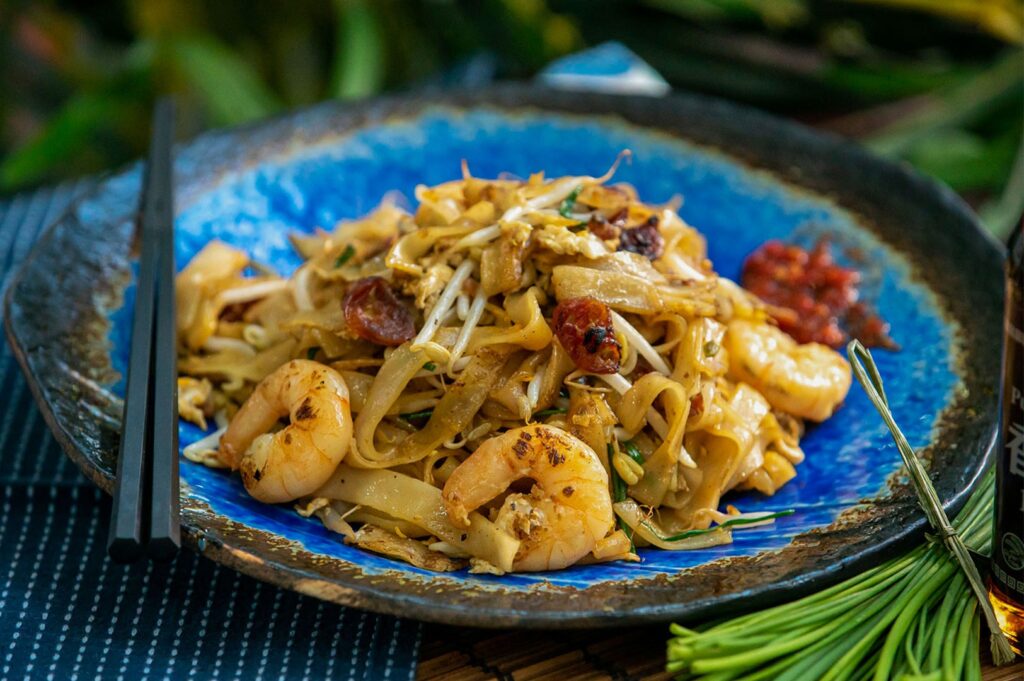
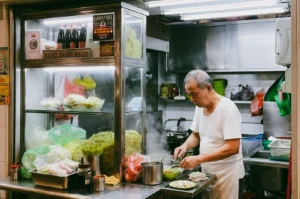
Chinese communal dining traditions are at the heart of Singaporean cuisine, visible everywhere from elegant seafood restaurants to casual food courts. Throughout areas like Chinatown and Maxwell Food Centre, street vendors grill yellow egg noodles for char kway teow, stir-fried with dark soy sauce, bean sprouts, Chinese sausage, and sometimes preserved radish. You’ll even see the delicate handiwork required for bak chor mee—a bowl of minced pork and egg noodles flavored with vinegar, sesame oil, and spicy chili paste.
A standout at many food courts is the iconic Hainanese Chicken Rice, often called Singapore’s national dish. It’s traditionally eaten with fragrant rice cooked in chicken stock alongside chilli sauce and sometimes dark soy sauce for a savory punch. An equally beloved dish, carrot cake (chai tow kway), has Chinese origins but has morphed locally into a savory dish made from stir-fried rice cakes with preserved radish, eggs, and sometimes shrimp paste. Mr. Lim, a vendor at Airport Road Food Centre, says, “My father taught me to flavor the rice noodles with just the right balance of light and dark soy sauce—and that’s what draws the regulars back every week.”
From steaming bowls of fish ball noodles (with bouncy fish balls made from fish paste) to oyster omelette—the Teochew-style version sizzled with eggs, oysters, and starch—each dish reflects centuries of adaptation and the energy of multicultural dining Singapore.
From steaming bowls of fish ball noodles (with bouncy fish balls made from fish paste) to oyster omelette—the Teochew-style version sizzled with eggs, oysters, and starch—each dish reflects centuries of adaptation and the energy of multicultural dining Singapore.
Traditional Chinese Communal Dining and Intimate Spaces
This tradition of gathering around generous dishes also makes Chinese dining a natural fit for celebrations and private meals. For families or groups looking for a quieter setting, this private room Singapore guide explores intimate dining spots that still carry the warmth of communal eating.
From fish ball noodles with handmade fish paste to Teochew-style oyster omelette sizzling with eggs and oysters, these dishes reflect the dynamic energy of multicultural dining Singapore, blending history and diverse flavors seamlessly.
Carrot Cake & Malay Food Heritage: Community and Tradition
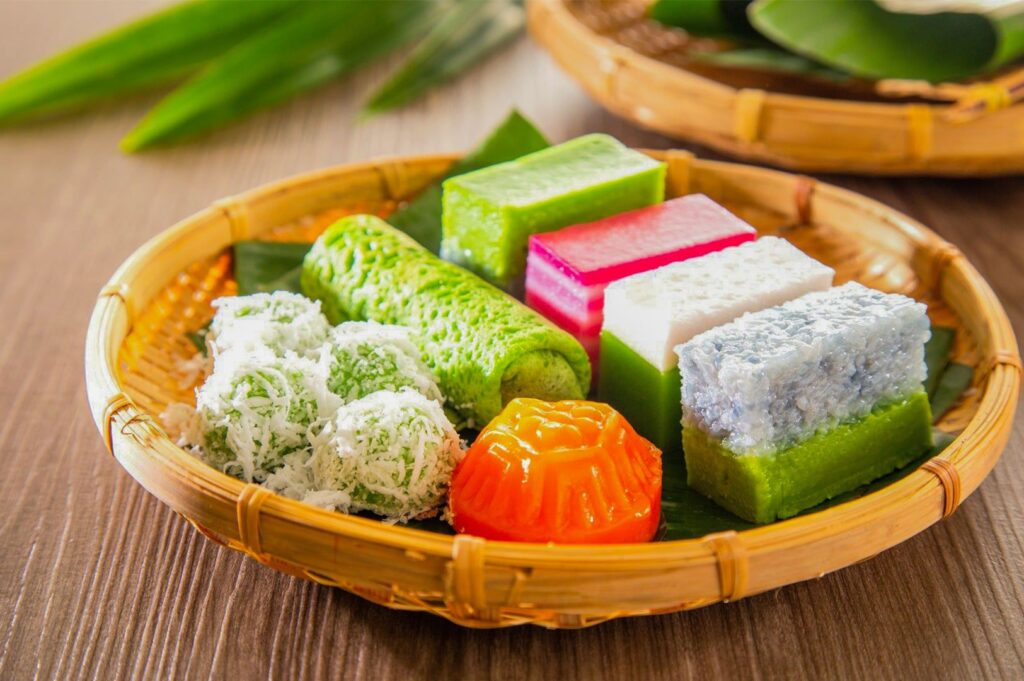
Malay culinary traditions highlight the beauty of coconut milk, flame-grilled meats, and punchy sambal chili. Dishes like nasi lemak (rice steamed in coconut milk, often served with fried anchovies, hard boiled eggs, cucumber, and spicy sambal), beef rendang, and ayam goreng (Malay-style fried chicken) speak to the centrality of community and tradition.
Kampong Glam brims with classic Malay food stalls, often run by the same families for decades. At Kampong Glam’s food courts or Geylang Serai Market, you’ll find fragrant basmati rice for nasi briyani, coconut-cream-laden desserts, and satay skewers with nutty dipping sauces. Malay hawker stalls are also famous for otak-otak (grilled fish paste wrapped in banana leaves), tofu stuffed with chili paste, and sticky rice cakes colored with pandan and palm sugar.
Malay Hawker Delights: Tradition and Community
Malay hawker stalls are also famous for otak-otak (grilled fish paste wrapped in banana leaves), tofu stuffed with chili paste, and sticky rice cakes colored with pandan and palm sugar.
Madam Noor, who manages a stall at Geylang Serai, tells us, “Many of my recipes come from my grandmother. We use only fresh coconut cream and blend our own sambal chili. It’s about keeping our food heritage alive and sharing it with new generations.” Served at special celebrations or enjoyed as cheap eats for everyday dining, these dishes are woven into the neighborhood’s food culture.
Oyster Omelette & Indian Flavors: From Little India to the Island
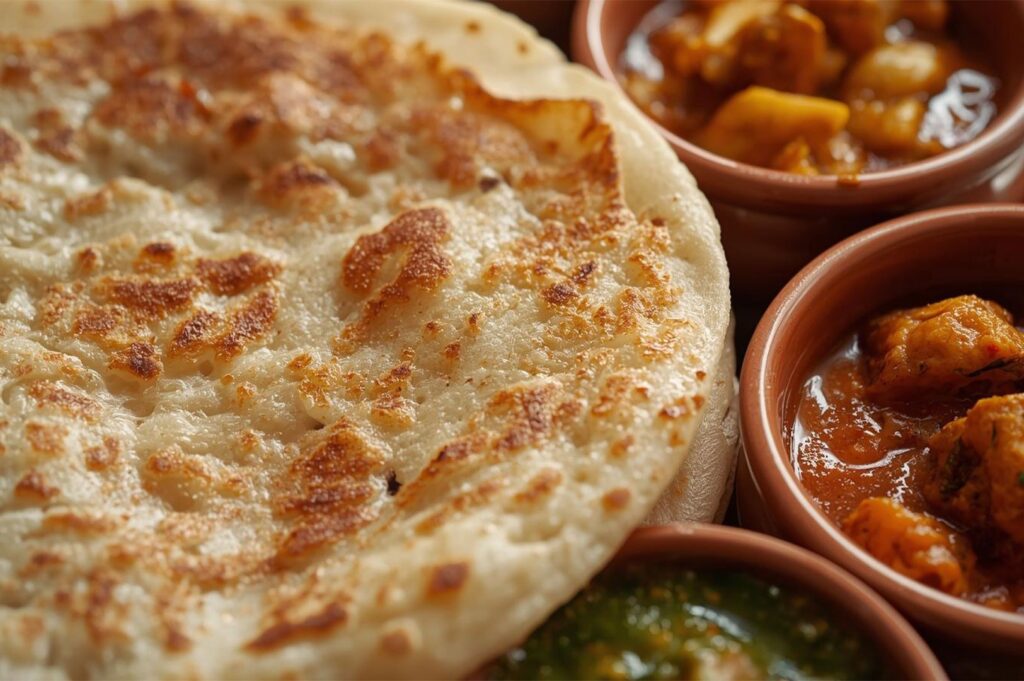
Little India is a vibrant showcase of Indian food culture in Singapore. Vendors serve dosai with coconut chutney and spicy sambar, while prata stalls offer thin breads best enjoyed with fish or mutton curry and lime juice.
Classic hawker dishes like fish head curry and fried chicken wings with tomato and chilli sauce have spread beyond Little India. Biryani, flavored with spices and ghee, is common in hawker centres across the city.
At Tekka Market, Mr. Rajan, a third-generation stallholder, shares that the secret to good biryani is layering rice, spices, and marinated meat with just enough coconut milk. Indian flavors continue to influence Singapore’s evolving food scene, from spiced minced pork to egg noodles with dark soy.
Food in Singapore: Hawker Centres as Food Diversity Hubs
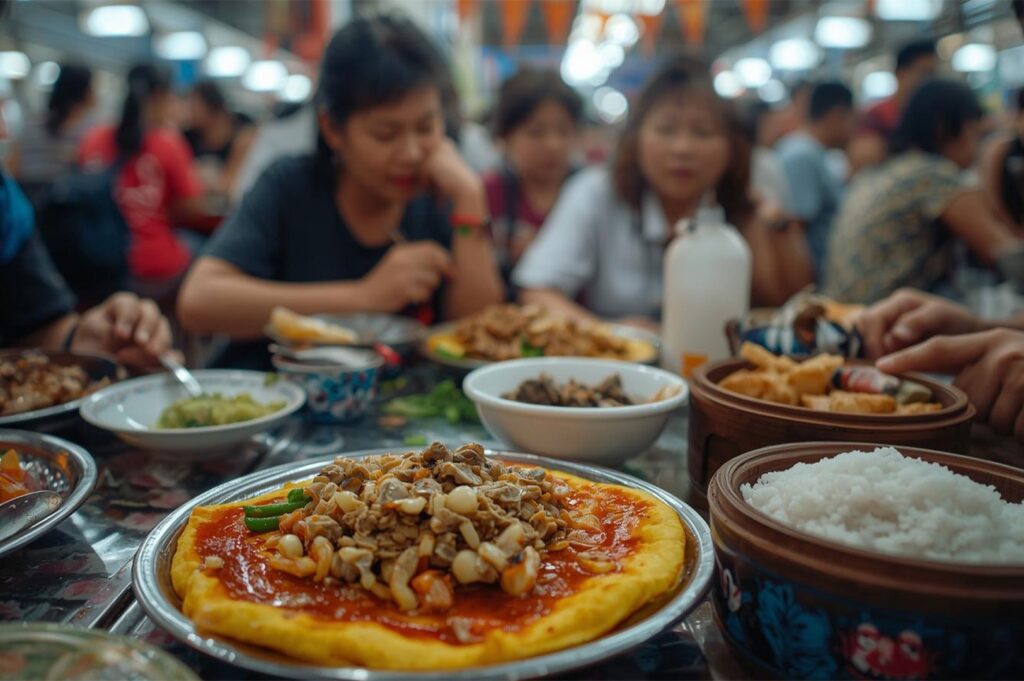
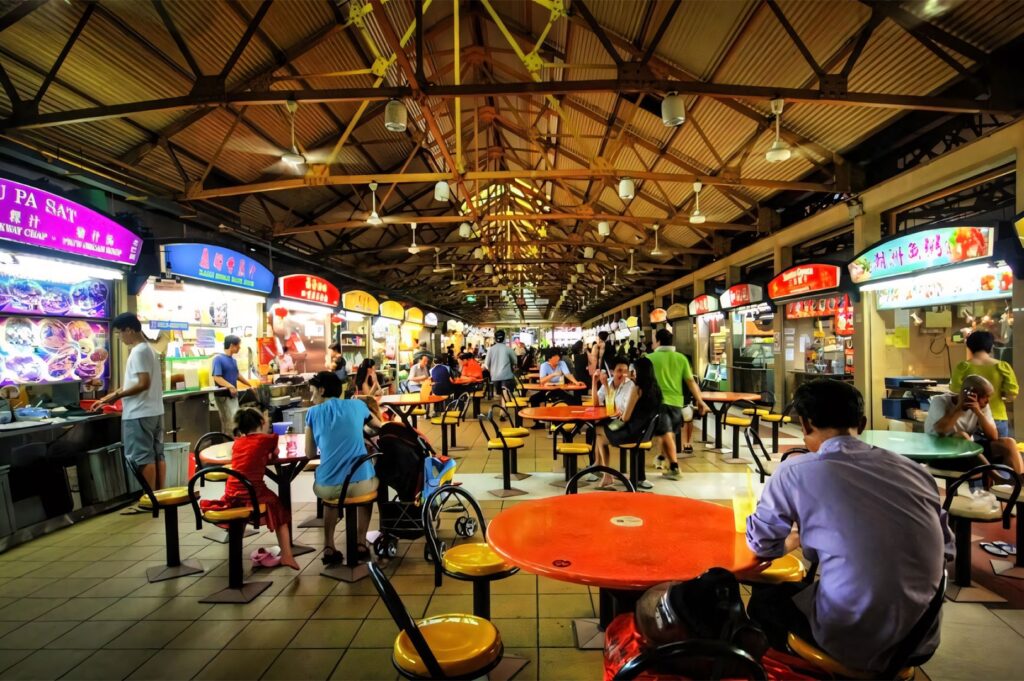
Experience the heart of Singaporean food culture at bustling hawker centres like Maxwell, Airport Road, or Chinatown Complex. These vibrant hubs showcase a rich variety of popular dishes from across the island’s diverse cultures.
Enjoy classics such as stir-fried char kway teow with Chinese sausage, bee hoon with fried anchovies, bak chor mee with minced pork, and kaya toast made with evaporated milk and coconut egg jam. Hawker centres foster spontaneous cultural exchange, where locals and visitors share tables over oyster omelettes, pork bone soup, and fish balls, all often accompanied by chili, soy, or sambal sauces—celebrating Singapore’s multicultural dining spirit.
Bak Chor Mee & Food as Cultural Bridge
It’s normal in Singapore to see families sharing dishes with Chinese, Malay, and Indian roots all at once—a classic example of how food breaks barriers. Whether you’re slurping bee hoon noodles spiked with sesame oil, or savoring bak chor mee at a stall known for their dark soy sauce-dressed noodles with minced pork, you’re participating in shared history.
Cross-cultural fusions pop up everywhere: hawker stalls offering chai tow kway with added sambal chili, seafood restaurants serving chilli crab with tomato sauce, or Middle East-influenced food stalls blending spices into traditional curries. The food court experience, filled with laughter and the clang of utensils, is a daily reminder that multicultural dining Singapore is as much about social connection as it is about taste.
Singapore’s culinary landscape moves fluidly between bustling hawker tables and more intimate dining spaces across the island. For readers curious about this quieter side of the city’s food culture, Sushi Masa by Ki-setsu: The Eight-Seat Traditional Omakase in Singapore That Chose Discipline Over Growth explores the philosophy behind a refined sushi masa omakase counter in Singapore, where discipline, precision, and tradition shape every course.
Kaya Toast & Conclusion: Neighborhoods as Living Food Museums
From steaming plates of char kway teow in food courts, to traditional kaya toast and runny eggs for breakfast, to street vendors ladling out braised tofu and pork ribs in savory broths—Singapore’s multicultural dining story is never far from your next bite. Each meal is more than just food; it is a celebration of ethnic harmony, a legacy of migration, and a constant invention by creative food lovers.
A Multicultural Food Trail You Can Follow:
Morning: Start in Katong with kaya toast and a bowl of laksa, thick with coconut cream and shrimp paste.
Lunch: Try Maxwell Food Centre or Chinatown Complex for chicken rice, char kway teow, or bee hoon.
Afternoon Snack: Discover Kampong Glam’s sweet potatoes, Malay kueh, and teh tarik.
Dinner: End at Little India with fish head curry or a Minced Pork bak chor mee (with optional chili paste), family style.
This ethnic food trail spotlights the astonishing food diversity and cultural vibrancy found in every Singapore neighborhood. Whether sampling carrot cake, oyster omelette, or sipping on a cup of kopi with condensed milk, every experience deepens your connection to the uniquely Singaporean food heritage.