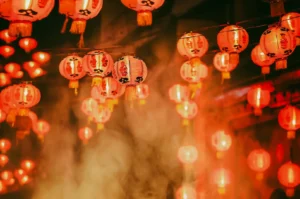
As dusk falls over Singapore, vibrant night markets come alive, transforming neighbourhoods into bustling hubs of food, shopping, and culture. These Singapore night markets are more than just places to grab a late-night snack—they are lively community spaces where tradition and modernity blend under the stars. They serve as important social gathering points where locals and tourists alike can experience the rich tapestry of Singapore’s diverse cultures through an array of sights, sounds, and tastes. From the aromatic spices wafting through the air to the colorful displays of traditional clothing and crafts, these markets offer a unique window into the city’s heritage.
Night markets in Singapore often showcase a mix of traditional and contemporary offerings. Visitors can find everything from classic Malay kuih and Indian sweets to trendy fusion street food and artisanal handmade goods. The festive atmosphere is enhanced by live performances, cultural demonstrations, and seasonal celebrations that reflect the multicultural spirit of the town. Many of these markets operate on a weekly or monthly schedule, moving between different neighbourhoods to reach a wider audience and keep the experience fresh and exciting.
In addition to shopping and dining, Singapore night markets play a vital role in supporting small businesses and local artisans. They provide a platform for entrepreneurs to showcase their products and connect with customers in an intimate, community-oriented setting.
Whether you’re hunting for unique souvenirs, craving authentic local dishes, or simply looking to soak up the lively ambiance, Singapore’s night markets offer something for everyone, making them a must-visit destination for anyone exploring the city after dark.
The Nomadic Charm of Pasar Malam Night Markets
The iconic Pasar Malam (Malay for “night market”) is a roving bazaar that appears in different neighbourhoods every few weeks. These pop-up markets offer a great place to shop and eat, featuring stalls selling clothes, t shirts, jeans, electronics, accessories, stationery, and trinkets at affordable prices. The atmosphere buzzes with vendors calling out, families browsing, and the sizzle of food being prepared.
Must-Try Pasar Malam Food
- Ramly Burger: A juicy beef or chicken patty wrapped in an omelette and bun, smothered in sauces.
- Vadai: Crispy savoury fritters, including prawn vadai.
- Sweet Potato Balls: Chewy, sweet deep-fried snacks.
- Taiwanese Chicken Chop: Crispy fried chicken cutlet with spicy seasoning.
- Laksa: Spicy coconut milk noodle soup, a local favourite.
Permanent Night Markets: Cultural Anchors
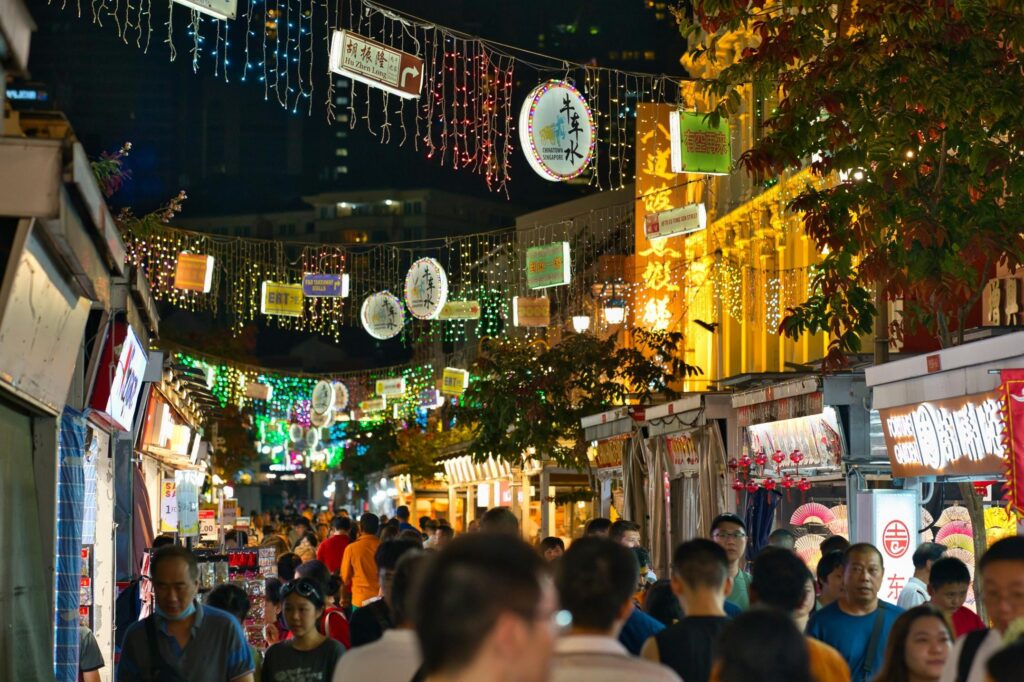
Several permanent night markets operate daily, offering consistent experiences in key cultural districts.
Chinatown Street Market
Located near Smith Street, the Chinatown street market lights up after dusk with stalls selling souvenirs, antiques, clothes, and electronics. Visitors can find traditional Chinese items and enjoy grilled satay from famous satay vendors served with peanut sauce. The market is popular for its competitive prices and vibrant atmosphere, especially during festivals. It draws a diverse crowd, including locals and tourists, who come to experience the lively street vibes and sample authentic street food. The market’s proximity to Chinatown Food Street allows visitors to enjoy a variety of local dishes in a bustling environment, making it a great place to immerse oneself in Singapore’s rich cultural tapestry.
Geylang Serai Bazaar at Wisma Geylang Serai
The Geylang Serai bazaar is the largest Malay cultural night market, especially lively during Ramadan. Located at Wisma Geylang Serai, it features traditional Malay clothing, spices, herbs, and homeware, alongside a vast array of food stalls. The bazaar is a great place to soak in Malay culture, with entertainment and special events drawing crowds on Sundays.
Nearby hotels make it convenient for visitors to stay and explore. The bazaar is also known for its blend of traditional and modern offerings, including both classic Malay dishes and trendy, Instagram-worthy snacks. Visitors often head here not only for shopping but also to enjoy the festive atmosphere, colorful decorations, and cultural performances that celebrate the spirit of the Malay community.
Little India Arcade
In Little India, the arcade offers a colourful mix of Indian clothing, fabrics, spices, and accessories. Visitors can shop for traditional Indian garments and souvenirs while enjoying authentic Indian food. The market’s vibrant atmosphere and unique items make it a must-visit spot. The arcade also serves as a cultural hub where visitors can witness the fusion of old and new, with traditional shops sitting alongside modern boutiques and eateries. Festivals like Deepavali bring the area to life with special markets and decorations, making it an excellent place to experience Indian culture and hospitality in Singapore.
Lau Pa Sat and Other Notable Markets
Lau Pa Sat is a historic hawker centre famous for its satay vendors grilling meat skewers served with peanut sauce. The wet market atmosphere on the ground floor provides fresh seafood, vegetables, and fruits, complementing the night market experience. Bugis Street, near Bugis MRT station, is another popular night market known for affordable clothes, accessories, and street food, attracting bargain hunters and tourists alike.
Bugis Street is especially known for its lively crowds and variety of goods, ranging from trendy fashion to everyday essentials. The area around Lau Pa Sat also features a vibrant dining scene, with many restaurants and food stalls offering local and international cuisine, making it a great spot to visit for both shopping and dining. These markets collectively form an essential part of Singapore’s night market scene, offering plenty of options for visitors to explore, shop, and eat late into the night.
The beauty of Singapore’s food culture lies in its contrasts. In one corner of the city, satay smoke curls above crowded night stalls; in another, chefs work quietly behind small counters shaping entirely different dining rituals. Experiences like Sushi Masa Omakase reveal another side of the island’s evolving culinary story.A Feast for the Senses
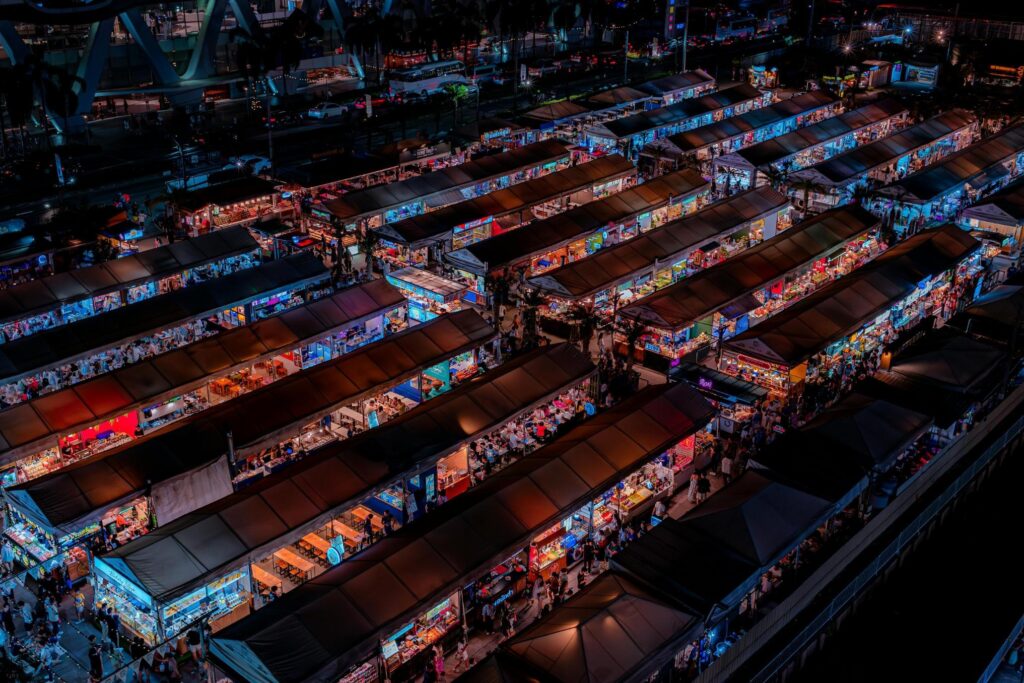
Singapore night markets are a sensory delight: These bustling hubs come alive after dusk, offering an immersive experience that engages all your senses. The vibrant displays of colorful stalls filled with clothes, souvenirs, spices, and fresh vegetables reflect the multicultural fabric of Singapore, showcasing the rich heritage of its diverse communities.
The sounds of vendor calls, sizzling food, and lively chatter create an energetic ambiance that is both chaotic and inviting. The bustling noise of bargaining and friendly haggling adds to the unique soundscape, making every visit feel dynamic and authentic.
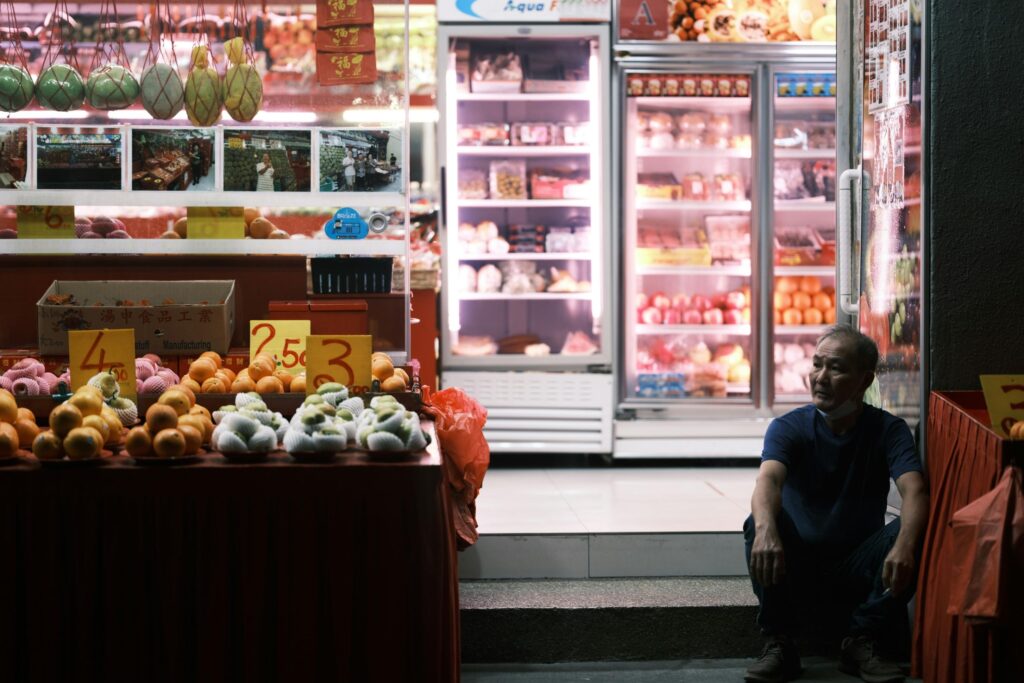
- Sights: Colorful stalls filled with clothes, souvenirs, spices, and fresh vegetables. The vibrant displays often include traditional fabrics, handmade crafts, and an array of fresh produce that reflects the multicultural fabric of Singapore.
- Sounds: Vendor calls, sizzling food, and lively chatter. The bustling noise of bargaining and friendly haggling adds to the energetic ambiance, creating a unique soundscape that is both chaotic and inviting.
- Smells: Aromas of satay, laksa, and sweets mingle in the air. The fragrant spices and grilling meats evoke the city’s rich culinary heritage, tempting visitors with a blend of Malay, Indian, and Chinese influences.
- Tastes: Bold flavours from curry puffs to sweet grass jelly drinks. Visitors can indulge in a diverse range of local delicacies, from spicy sambal dishes to refreshing traditional beverages, offering a true taste of Singaporean street food culture.
More Than Shopping: Community and Culture
Night markets foster community bonds, offering informal spaces where neighbours meet, families gather, and traditions thrive. They preserve culinary arts like making kuih tutu and roti canai, connecting generations. These markets also serve as venues for cultural performances and celebrations, reinforcing social ties and providing a platform for local artisans and performers to showcase their talents.
Unique Finds and Artisans
Markets like Chinatown Street Market and Geylang Serai Bazaar showcase artisanal crafts, from hand-stitched bags and jewelry to embroidered baju kurung and rare spices. Little India Arcade offers rare herbs and traditional accessories, perfect for visitors seeking meaningful souvenirs. These markets are treasure troves for collectors and culture enthusiasts alike, offering unique items that reflect the diverse heritage of Singapore’s communities.
Practical Tips for Visitors
- Best Time to Visit: Markets open daily from dusk till late, with weekends and Sundays being busiest. Visiting early in the evening can help avoid the largest crowds while still enjoying the vibrant atmosphere.
- How to Get There: Many markets are accessible via MRT stations like Bugis MRT station; some Pasar Malams move locations regularly. Checking local schedules and transport options beforehand can enhance the experience.
- What to Bring: Cash, comfortable shoes, and an open appetite. Many stalls may not accept cards, so having cash on hand is advisable. Comfortable footwear is essential for exploring extensive market areas.
- How to Navigate: Explore the market fully before buying, and don’t miss the chance to try local food. Sampling dishes from different stalls is a great way to experience the variety and richness of Singapore’s night market cuisine.
Special Seasonal Bazaars
- Hari Raya Bazaar at Geylang Serai: A festive month-long event during Ramadan that showcases the rich Malay culture through a vibrant mix of traditional clothing, mouth-watering food stalls, and lively entertainment. Visitors can enjoy authentic dishes like rendang, satay, and ketupat while exploring stalls selling intricate baju kurung and artisanal crafts.
- Deepavali Festival Village in Little India: Colourful market leading up to Deepavali, filled with dazzling lights, traditional Indian sweets, and a wide array of festive decorations. This market is a cultural celebration featuring performances, henna art, and stalls offering everything from vibrant sarees to fragrant spices, providing an immersive experience of Indian heritage.
- Chinatown Chinese New Year Market: A vibrant pre-New Year celebration that transforms Chinatown into a bustling hub of red lanterns, lion dances, and festive goods. Shoppers can find auspicious decorations, traditional snacks like pineapple tarts and bak kwa, and enjoy street performances that bring the Lunar New Year spirit alive.
Night Markets in the Digital Age
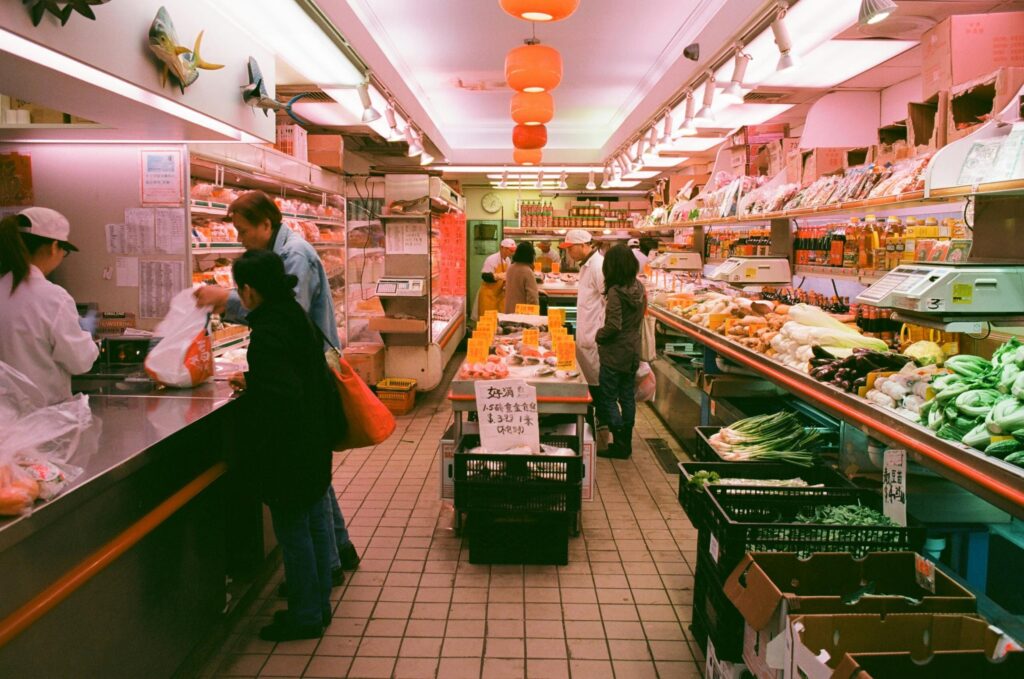
Many vendors now use social media and apps to showcase products, announce new arrivals, and engage customers, blending tradition with modern convenience.
This integration of digital platforms has transformed how night markets operate, allowing vendors to reach a wider audience beyond the physical market space. Shoppers can preview offerings, place orders in advance, and stay updated on special promotions or limited-time products. Social media also fosters community interaction, with customers sharing their favorite finds and experiences, further boosting the vibrant culture of Singapore night markets.
An Invitation to Explore
Singapore’s night markets continue to be a great place for food lovers and shoppers alike, offering an exciting blend of traditional and modern experiences. Compared to previous years, these vibrant markets have grown in popularity, attracting visitors not only from around Singapore but also from nearby Johor Bahru. Whether you’re exploring the diverse stalls or savoring local delicacies, Singapore night markets remain an unmissable part of the city’s cultural landscape and nightlife.
For the latest updates and deeper insights into Singapore’s dynamic neighbourhoods and events, visit Neighbourhood life SG and stay connected with the city’s vibrant pulse.