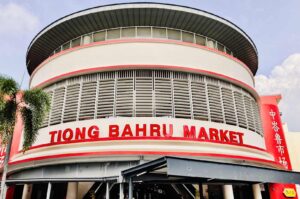
Singapore’s food scene is legendary, but beyond the savory delights of Hainanese chicken rice and chili crab lies a vibrant world of sweet treats. The dessert landscape here is a delicious reflection of the island’s multicultural soul, a tapestry woven with Chinese, Malay, Indian, and Peranakan influences. Exploring Singapore desserts like silky sweet soup, colourful ice kachang, and fragrant pandan chiffon cake is a journey through history, culture, and flavor, where age-old family recipes coexist with innovative, modern creations.
From the delicate, handcrafted traditional kueh sold in bustling markets to inventive cold desserts served at contemporary dessert cafes, every sweet tells a story. These desserts are much more than an after-dinner indulgence; they’re integral to Singaporean cuisine, festivals, family gatherings, and everyday life. This guide will take you across the island’s favourite dessert spots to discover the best desserts in Singapore, uncovering the stories behind these beloved treats and, most importantly, telling you where—and how—to try them.
Desserts often begin the day as much as they end it, many are enjoyed alongside kopi and morning staples. If you’re curious how sweets fit into Singapore’s breakfast culture, read more.
Coconut Milk & Gula Melaka: The Heart of Traditional Kueh
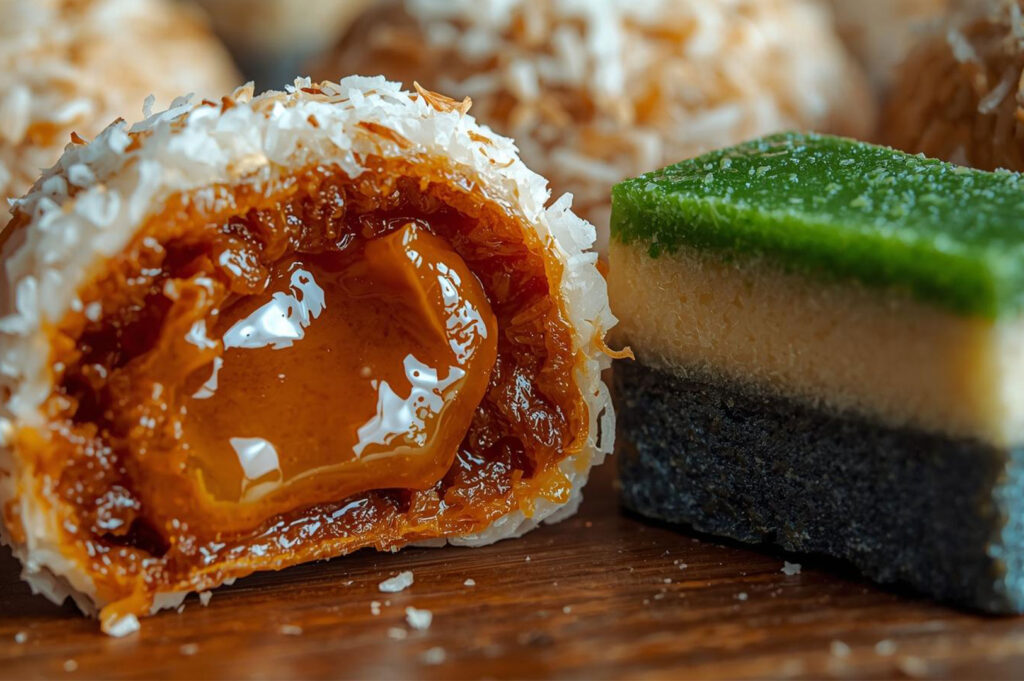
Kueh are bite-sized snacks or desserts that form the bedrock of Singapore’s sweet heritage. Most types feature glutinous rice flour, coconut milk, and palm sugar (gula melaka) for the perfect balance of sweet, rich, and creamy flavors.
Peranakan Kueh: The most famous are the Nyonya or Peranakan kueh, celebrated for intricate preparation and vibrant colors drawn from natural ingredients.
Kueh Lapis Sagu: This nine-layered steamed cake features coconut milk and tapioca flour, creating chewy layers with a gentle sweetness—peel them one by one for the full experience.
Ondeh Ondeh: Bite-sized glutinous rice balls—with generous amounts of molten gula melaka inside—coated in fresh grated coconut, offering a classic blend of palm sugar syrup and coconut.
Kueh Salat: Combines a base of blue glutinous rice with a layer of creamy pandan custard (using pandan leaves), creating a multi-textured, visually striking dessert beloved in local dessert shops.
Chinese and Malay Influences: The dessert menu also overflows with classics influenced by traditional Chinese desserts and Malay recipes. Try ang ku kueh’s chewy red bean or peanut paste filling. Tau suan, a warm sweet soup of split mung beans thickened with potato flour and topped with crispy dough fritters, is a favorite at old-school dessert spots.
For Malay kueh, sample kueh lopes (glutinous rice rolled in grated coconut and drizzled in gula melaka) or putu piring—steamed discs of rice flour filled with oozing palm sugar syrup, best enjoyed warm from a hawker stall.
Where to Find: Go to Tiong Bahru Galicier Pastry for timeless recipes, Bengawan Solo for accessibility, or seek out hidden gems like Tan Quee Lan Street for stalls brimming with classic options.
Ah Chew Desserts & More: Iconic Singaporean Cold Desserts
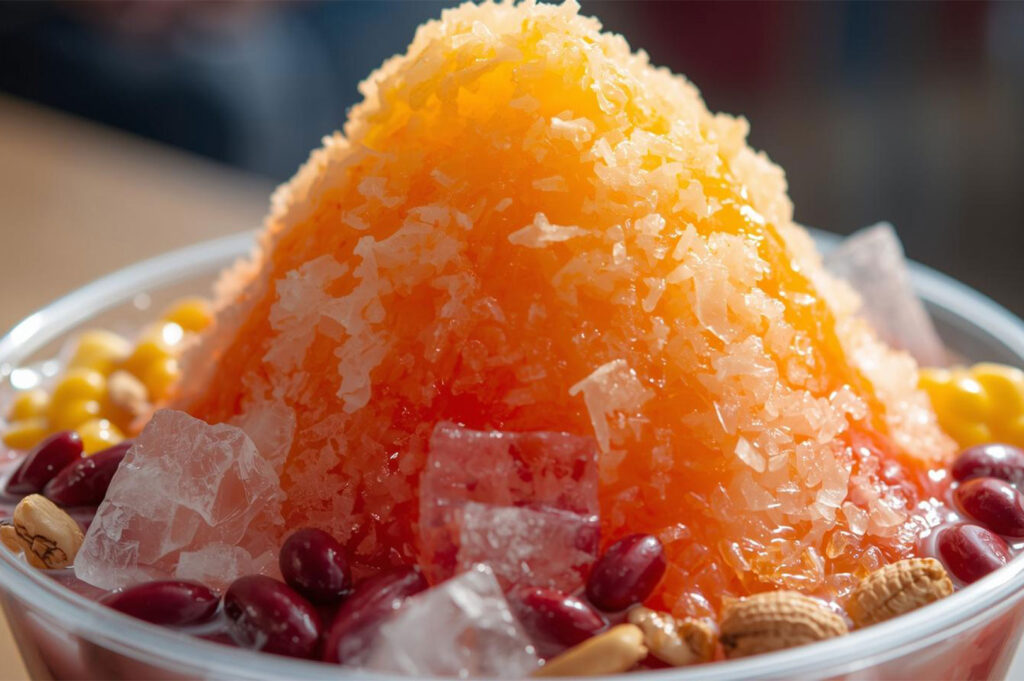
In Singapore’s tropical climate, cold desserts dominate many dessert cafes and eating house menus. Singapore’s own ice kachang and chendol have become icons in the local sweet tooth lexicon, holding their own among the best desserts in Singapore.
Ice Kachang & Shaved Ice Sensations
A towering spectacle of shaved ice, ice kachang features a hidden mix of attap seeds, sweet corn, red bean, grass jelly cubes, and even yam paste at the ground floor of your dessert bowl. The mountain is drenched in colorful syrups, evaporated or condensed milk, and, for a modern touch, sometimes topped with a single scoop of vanilla ice cream or chocolate sauce. At Fortune Centre or the hawker food hall, don’t miss the premium versions with fresh fruit and seasonal specials.
Chendol: The Pandan Delight
Singapore’s chendol is a symphony of contrasting flavors and textures—pandan-flavored tapioca balls, red beans, and sago swimming in coconut milk and a generous drizzle of gula melaka. Additions like grass jelly or sweet potato sometimes make a guest appearance. The Singapore version frequently wins hearts for richness and the inclusion of extra toppings.
Grass Jelly Wonders
Versatile and refreshing, grass jelly (or chin chow) is offered in countless stalls—try it cut over ice with palm seeds and longan, layered in granny grass jelly parfaits at modern outlets, or swirled with green tea or fresh milk. Look for creative combinations at dessert shops on Serangoon Garden Way or in Chinatown dessert cafes.
Where to Find: Try Jin Jin Hot/Cold Dessert at ABC Brickworks Market for powerful chendol, Ah Chew Desserts or Yat Ka Yan for tau suan and grass jelly, or Mei Heong Yuen Dessert for a classic ice kachang.
Fruit, Cream & Creative Flavours: Singapore Desserts with a Twist
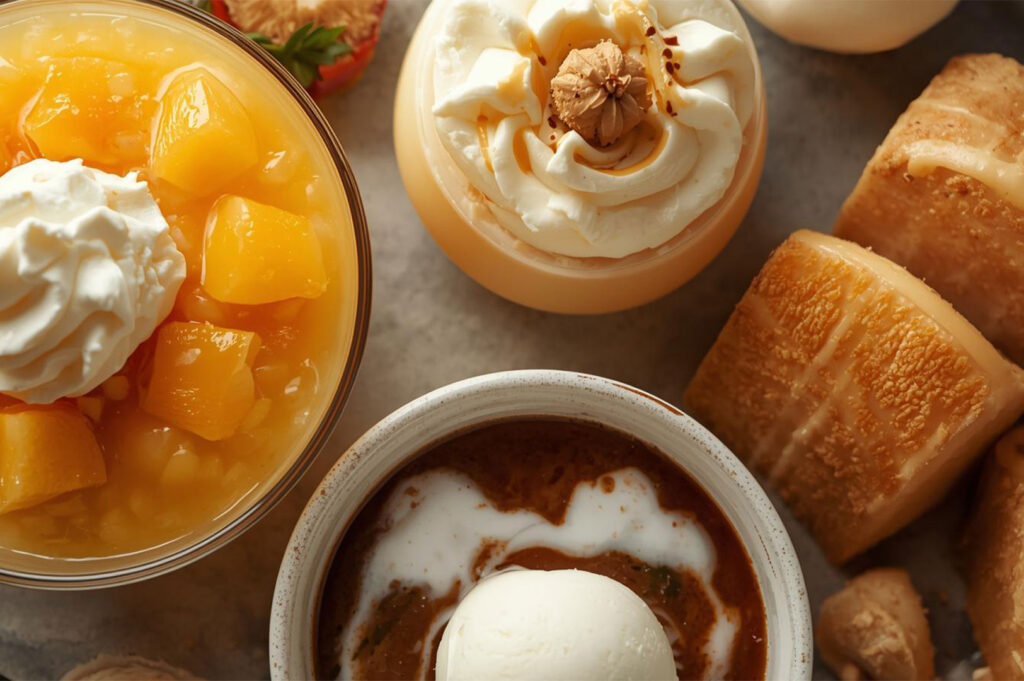
Singapore desserts are as creative as they are diverse. Fruit-based specialties, Western-inspired bakes, and other sweet treats blend tradition with innovation for every modern sweet tooth.
Durian Mousse & More: Sample durian mousse, durian puffs, and even durian chocolate at Mr Bucket Chocolaterie or at mall dessert counters during the season.
Mango Pomelo Sago: This Hong Kong-inspired favorite, made with mango, pomelo, chewy sago balls, and fresh cream, has become a staple in Singapore’s dessert cafes and is perfect for those who love sweet with a citrusy kick.
Pulut Hitam: A cozy bowl of black glutinous rice sweetened with coconut milk and palm sugar, sometimes modernized with coconut ice cream or a drizzle of salted caramel.
Other Local Favourites: Try yam paste (orh nee) sweetened with pumpkin and coconut milk, peanut soup, or almond paste, often found on the dessert menu at eating houses and classic dessert shops.
Where to Find: Goodwood Park Hotel is home to decadent durian specials, while Chow Zan specialty dessert shop serves up warm, comforting bowls of pulut hitam, peanut soup, and more.
Dessert Cafes & Modern Innovations
Singapore’s dessert cafes are redefining the landscape, offering innovative mixes for adventurous eaters and health-conscious folks alike.
Find pandan chiffon cake and pandan cake (with its light texture and pandan leaves aroma), sago gula melaka bowls, or fusion versions like salted caramel bandung sundaes. At Apiary or Duke Dessert, savour high-quality ingredients and playful presentations, including matcha (green tea) parfaits and strawberry ice cream sandwiches on wafer-thin biscuits.
Plant-based options, seasonal specials, and the use of premium ingredients like fresh cream and coconut milk are increasingly common. Up-and-coming spots in Jalan Besar, Fortune Centre, or Keong Saik create endless options to satisfy your sweet tooth.
Cultural Significance of Singapore Desserts
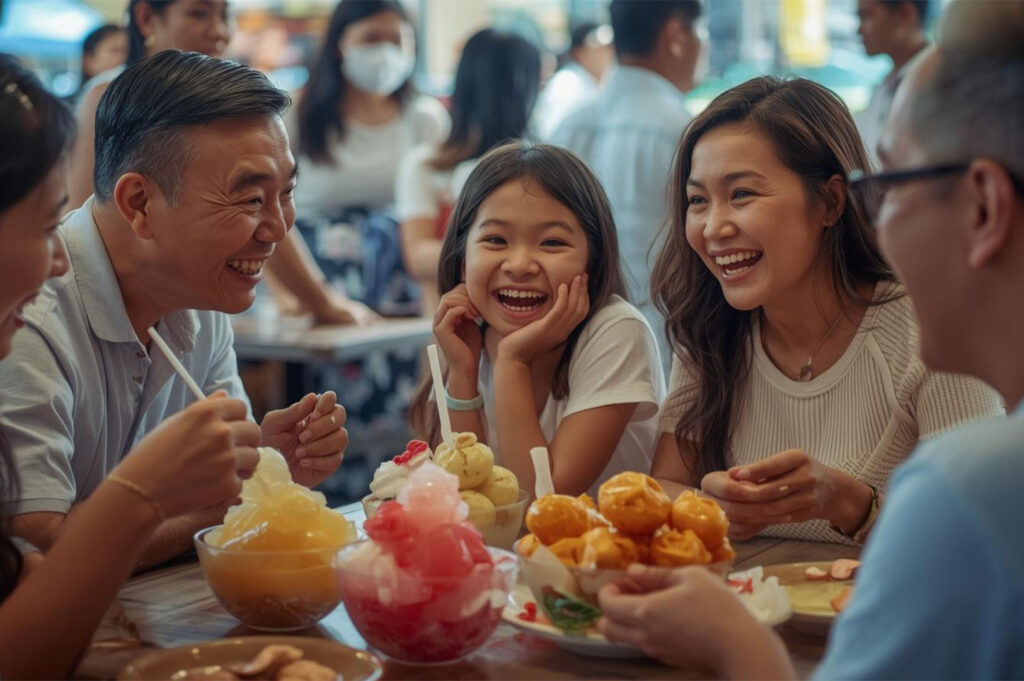
Singapore desserts are more than flavor—they’re a taste of heritage. Each ang ku kueh, tang yuan, or kueh salat is steeped in meaning, from symbolizing blessings at baby’s first month to marking the arrival of Chinese New Year. Ground peanut and red bean-based desserts are always in demand at festive tables.
Sharing sweet potato balls, yam paste, or ice kachang at dessert spots builds community bonds, especially during festive seasons. Desserts in Singapore, from the best ice cream sandwiches on Orchard Road to peanut paste at a back-alley dessert shop, are at the heart of both family gatherings and Singaporean cuisine’s growing international appeal.
Dessert Spots: Where to Find the Best Sweets Across Singapore
Central: Start your tour at Tan Quee Lan Street, home to old-school dessert shops, or visit modern dessert cafes near Bugis and Keong Saik.
East: Katong and Joo Chiat feature Peranakan kueh specialists with exceptional glutinous rice flour sweets.
North: Try hawker stalls in the heartlands, from classic options in Ang Mo Kio’s eating house to crunchy ice cream sandwiches on Serangoon Garden Way.
West: Find hidden dessert gems in Bukit Timah cafés or at dessert stalls in Fortune Centre.
Little India & Kampong Glam: Look out for Indian-inspired sweet treats: peanut soup, mango lassi ice cream, or sesame paste desserts.
Bonus: Keep an eye out for photogenic desserts like rainbow kueh lapis, peach gum jelly, and gold-dusted yam paste. Each selection promises not only a delightful taste but also a social media-worthy moment.
Singapore’s desserts are best discovered neighbourhood by neighbourhood, where traditional stalls and modern dessert cafes sit side by side. To explore how different areas specialise in their own sweet traditions, click here.
Conclusion & Singapore Dessert Trail
Singapore’s desserts are diverse, crowd-pleasing, and always evolving. Whether you’re hunting for traditional hot tang yuan or seeking inventive chocolate and pandan cake mash-ups in a trendy dessert shop, there’s something here for every sweet tooth.
Suggested Dessert Itinerary: Start with glutinous rice flour kueh at a Katong eating house. Have an ice kachang topped with condensed milk and generous amounts of red bean and sweet corn for lunch at a hawker centre. Wind down at a modern dessert café with salted caramel or green tea treats, then grab a classic ice cream sandwich from a street vendor as you explore the city after dark. Every bite brings you closer to Singapore’s multicultural, deliciously sweet identity.
What makes Singapore’s dessert scene special isn’t just the variety, it’s how closely these sweet moments are tied to place. A kueh stall you return to after school, a dessert shop that stays open late for post-dinner cravings, a hawker centre where ice kachang always tastes better on a hot afternoon. These desserts live in neighbourhoods, shaped by the people who make them and the communities that keep coming back. Exploring them is less about ticking off a list and more about slowing down, noticing details, and understanding how everyday food weaves into daily life—one dessert stop at a time. NeighbourhoodLife.com.sg explores Singapore through its neighbourhoods, told through the food people eat and the places they return to.