Just a stone’s throw from the bustling energy of Orchard Road and in close proximity to the world-renowned Singapore Botanic Gardens, Tanglin Singapore stands as one of the country’s most prestigious and historically rich neighborhoods. Defined by its leafy avenues, stately embassies, and grand colonial-era houses, Tanglin is a microcosm of Singapore’s transformation on the global stage. Once established as an exclusive plantation district, Tanglin is now recognized as the heart of Singapore’s embassy district and diplomatic enclave, a journey that speaks to both heritage and progress. In this guide, we uncover the many layers of Tanglin Singapore history, explore its colonial architecture, and reveal the cultural significance of this remarkable district.
Bukit Timah Gate and the Early Colonial Plantations: Laying the Foundations for Tanglin Singapore
Before Tanglin became synonymous with embassies and high society, the hilly terrain west of the Singapore River was blanketed in dense jungle. Early maps from the 1820s show few established roads or houses. By the 1830s, European settlers seeking fortune chose this elevated site—serviced by what would later be called Tanglin Road and routes like Ridout Road and Napier Road. The soil and microclimate were ideal for nutmeg and gambier plantations, industries that attracted prominent pioneers such as Thomas Oxley and William E. Willan.
The etymology of Tanglin is believed to derive from the Hokkien “Twa Tang Leng” (Great East Hill), fitting the area’s characteristic slopes and vantage points. The first main entrances into Tanglin for goods and workers were north via Bukit Timah Gate and south via Orchard Road, connecting to central Singapore and Pasir Panjang. Many of these estates were serviced by estates along Napier Road and North Bridge Road, with produce shipped towards the Singapore River, feeding a growing colonial economy.
The hard work and entrepreneurial risk of these early settlers gave rise to a patchwork of plantation estates, some of which evolved into Good Class Bungalows still standing in the district today. For a brief period, Tanglin’s plantations flourished, laying the groundwork for a neighbourhood that would soon play host to the country’s elite.
Singapore Botanic Gardens and the Golden Era: Heritage and Colonial Architecture in Tanglin
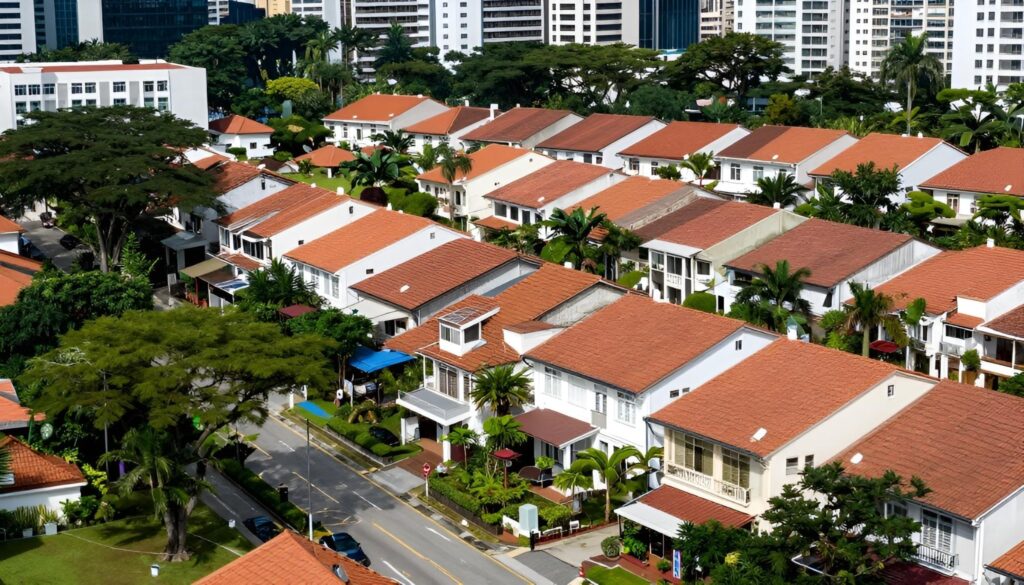
As plantations declined in the late 19th century, the landscape of Tanglin Singapore shifted dramatically. Spacious private estates gave way to a constellation of residential developments. The influence of the nearby Singapore Botanic Gardens grew, with Tanglin’s borders running alongside the iconic Tanglin Gate and Bukit Timah Gate entrances. These connections cemented Tanglin’s reputation as a green, exclusive retreat.
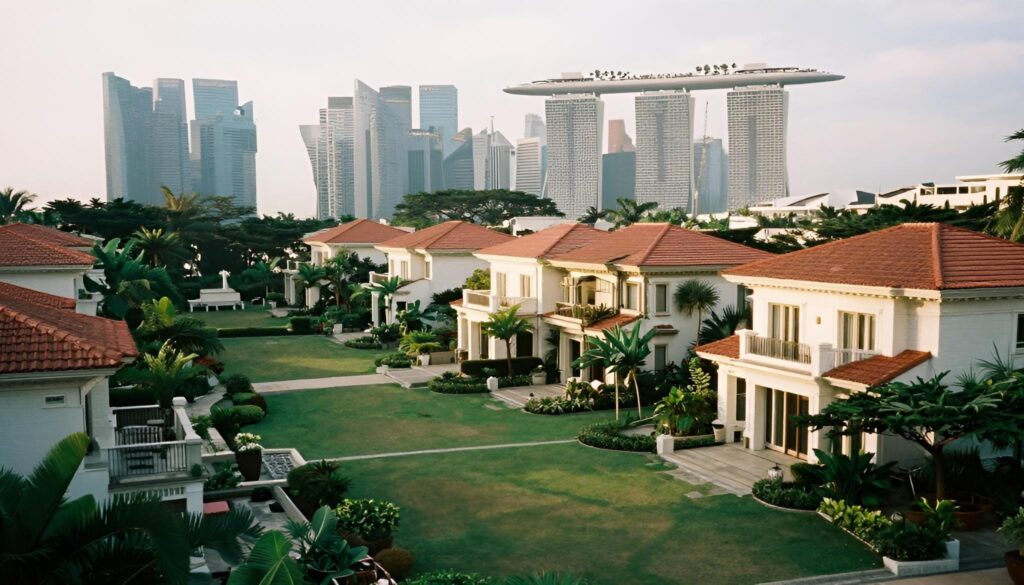
The golden age of colonial living flourished in Tanglin. The area became renowned for its black-and-white bungalows, rare examples of some of the best colonial architecture Singapore Tanglin can offer. These houses featured distinctive exterior walls, elevated floors for cooling, and wide verandas to take in views of the district’s green hilly terrain. Many of the most elegant homes lined Nassim Road, Ridout Road, Cluny Road, and major roads snaking south towards Orchard Road.
Tanglin’s residents established a vibrant social scene centered around exclusive institutions like the Tanglin Club and nearby Singapore Cricket Club. Notable neighbours included senior government officials, families of British military officers stationed in the country, and merchants who drove society, arts, and education initiatives through associations and churches. Significant colonial-era buildings such as Goodwood Park Hotel (originally a Teutonia Club) and the former British military barracks at what is now Dempsey Hill bear witness to this era.
Post-War Transformation: From Private Estates to Singapore Embassy District
The outbreak of WWII and Japanese Occupation swept through Tanglin, with many houses, estates, and former British military barracks requisitioned and later left in disrepair. With Singapore’s independence in 1965, government planning area maps designated Tanglin for low-density, high-value use that respected its historic ambiance. This deliberate approach, in contrast to large-scale redevelopment seen in Queenstown and Pasir Panjang, preserved Tanglin’s exclusive residential character.
The new national leadership saw Tanglin’s strategic location—adjacent to both the central business district and Singapore Botanic Gardens—as ideal for housing embassies, departmental headquarters, and cultural institutions. Many colonial bungalows and estate homes were converted into embassies and high commissions. Tanglin Mall and local shops began to serve the daily life needs of residents and diplomatic staff. Roads such as Napier Road and Tanglin Road became established landmarks for both commuters and international visitors.
This blend of past and present created a unique heritage character, with Ridout Road, Nassim Road, and Cluny Hill maintaining a rare concentration of conserved bungalows. Throughout this period, the government focused on retaining Tanglin’s exclusivity and calm, while reinforcing its new role as a meeting point between nations.
Singapore River to Embassy Row: The Rise of Tanglin Diplomatic Enclave
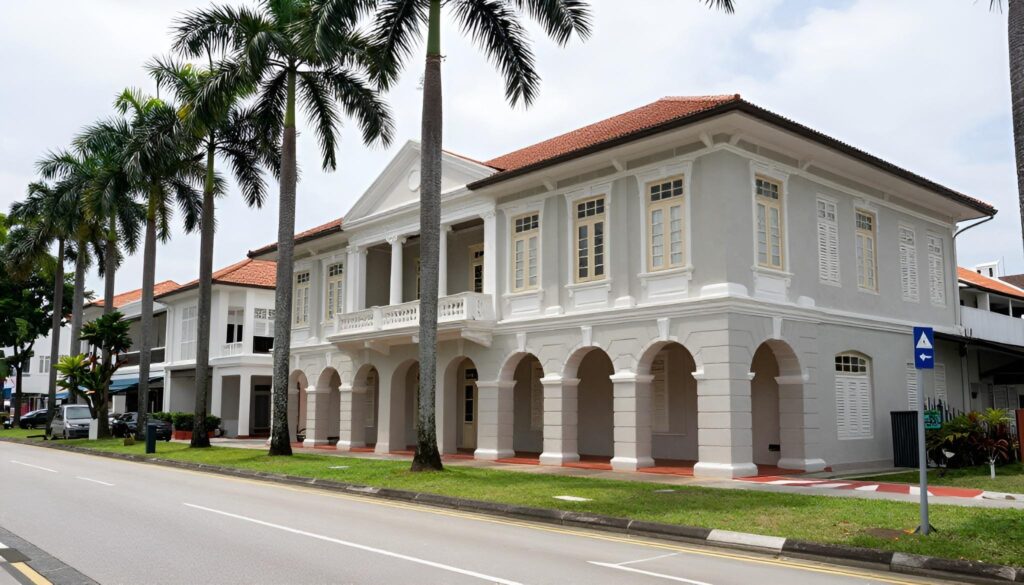
Today, Tanglin is synonymous with Singapore’s embassy row. Many embassies and high commissions—including those of the United States, India, China, Australia, and Malaysia—are based within the planning area’s leafy precincts, sometimes in purpose-built compounds, more often still in century-old houses. Tanglin’s major roads—Orchard Road, Napier Road, and Tanglin Road—provide convenient access for dignitaries, visitors, and commuters alike.
Stringent security considerations shape site layouts and urban design. Embassies frequently feature reinforced exterior walls and dedicated entrances, with the Singapore Police Force maintaining visible patrols in the district. The rich diversity of Tanglin’s embassy district fosters an unusually cosmopolitan atmosphere. Throughout the year, international cultural events, diplomatic receptions, and national day celebrations fill embassy compounds, while institutions like the National Library Board collaborate on heritage initiatives and educational programmes.
Dempsey Hill—once the barracks for British and Malay regiments—now thrives as a dining and arts destination. Restaurants, shops, galleries, and performance spaces have rejuvenated the area, attracting both locals and tourists. At Tanglin Village, visitors can admire well-preserved buildings, learn about the area’s role as the headquarters for British military in the east, and relax in unique cafes and dining spots.
Modern Tanglin: Good Class Bungalows, Luxury, and Heritage Conservation
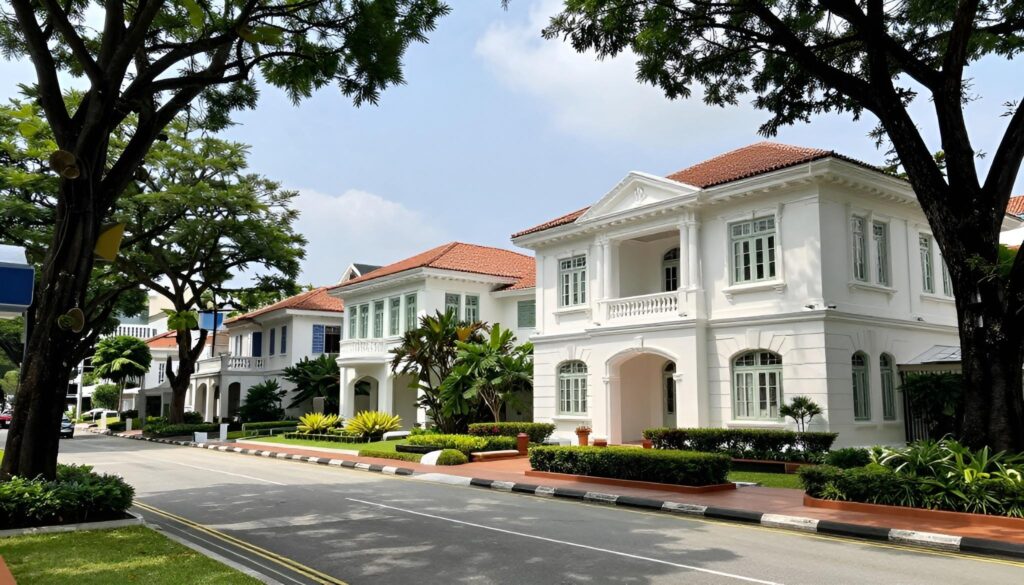
Today, the modern Tanglin planning area seamlessly combines its diplomatic enclave with luxury residential zones. Outstanding addresses such as those along Nassim Road, Cluny Hill, and Ridout Road are considered Singapore’s best places to own Good Class Bungalows. These homes—ranging from meticulously restored colonial architecture to cutting-edge contemporary builds—reflect the country’s highest property values.
The Urban Redevelopment Authority, along with the community and major embassies, actively conserves Tanglin’s most significant bungalows and historic sites, balancing new development with preservation. Tanglin Mall provides everyday convenience while leafy lanes and mature trees hint at the area’s heritage as a plantation and colonial suburb. Exclusive clubs, international schools, and private clinics support the needs of diplomatic families, while frequent visitors appreciate the accessibility of Orchard Road, Queenstown, and Bukit Timah gate entrances.
To see how Tanglin fits into the broader story of Singapore’s communities, Singapore Cultural Mosaic: A Neighbourhood Guide to Cultural Heritage explores the rich mix of heritage, daily life, and local traditions across the city. It highlights how neighbourhoods like Tanglin preserve their history while embracing modern living, offering a deeper understanding of Singapore’s cultural landscape.
Exploring Tanglin Today: Walking History from Tanglin Gate to the Singapore River
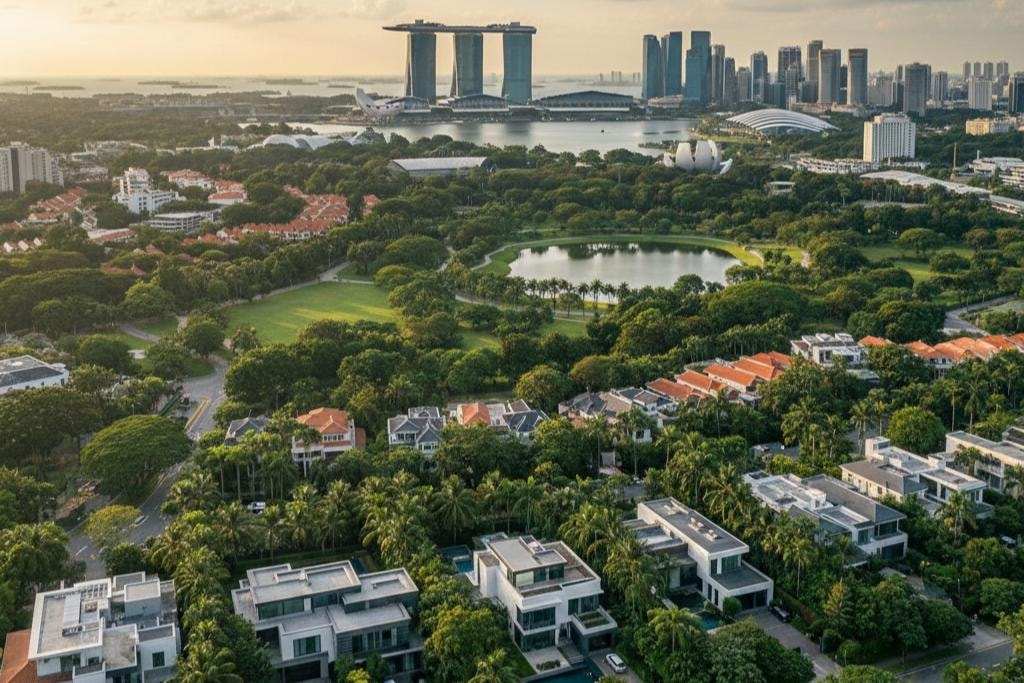
A visit to Tanglin Singapore is a walk through time. Start at Tanglin Gate of Singapore Botanic Gardens—a UNESCO World Heritage Site. The gardens’ proximity gives Tanglin unique biodiversity and serenity, and the former colonial residences nearby vividly illustrate its heritage. From here, stroll along Napier Road, noting embassies set within lush compounds, and trace the leafy avenues up Ridout Road or Nassim Road, where architectural gems and preserved bungalows line the hilly terrain.
Continue towards Dempsey Hill, where historic former British military barracks have become vibrant shops and restaurants, making it a favorite stop for families, expats, and visitors. For those interested in the arts, frequent performances and exhibitions are held at local theatres and galleries within the area, supported by the National Library Board and community arts departments.
Don’t miss the Singapore River link—a reminder of how goods were once shipped from the estates of Tanglin to the heart of the city. For quick access, visitors can arrive by car or via public transport, utilizing the main entrances on Orchard Road and Tanglin Road, or approach from Queenstown and Holland Road.
Visitors interested in Singapore’s architectural layers often pair a Tanglin walk with explorations of conserved peranakan shophouse districts elsewhere, where heritage buildings have been adapted for cafés, galleries, and modern living.
Conclusion: Tanglin, Singapore’s Prestigious Seat of Heritage and Diplomacy
Tanglin’s evolution from rolling plantation hills to the heart of the Singapore embassy district and diplomatic enclave is a testament to both vision and hard work. Today, nestled between Orchard Road, the Bukit Timah Gate, and the lush Botanic Gardens, Tanglin continues to represent exclusivity, security, and deep roots in the country’s history. Visitors and residents alike are invited to walk its tree-lined roads, enjoy world-class dining and arts, and appreciate the preservation of Singapore’s colonial past in a district focused on its future.
For more neighborhood explorations, insider Tanglin dining recommendations, and arts and culture highlights, visit our related guides on neighbourhoodlife.com.sg.