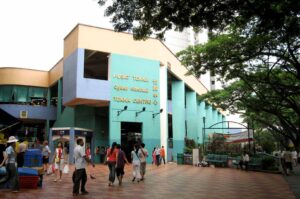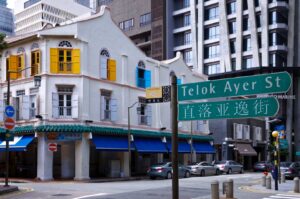
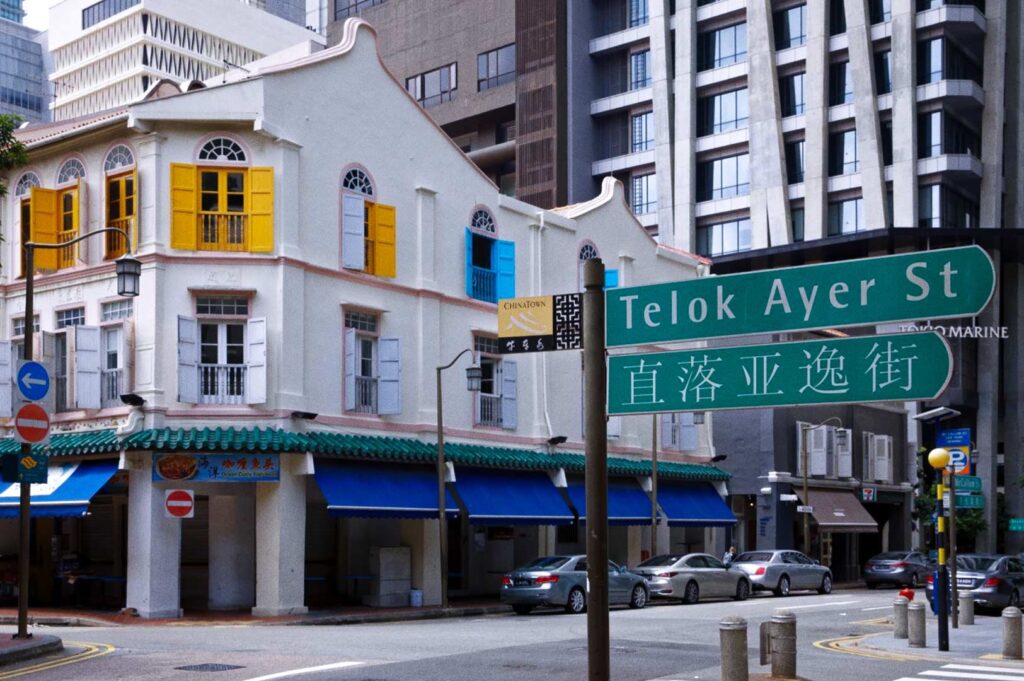
Telok Ayer Street, located in the heart of Singapore’s bustling Central Business District, is more than just a historic coastal road. Telok Ayer Street was originally adjacent to Telok Ayer Bay, a significant coastal area in early Singapore that played a vital role in the city’s maritime activity and land reclamation history. It stands as a shining example of racial and religious harmony, where different religions and cultures coexist and thrive side by side. This historic district, once the landing point for early immigrants, tells the story of how diverse communities came together to build trust, respect their beliefs, and collectively create a community steeped in peace and mutual understanding. Telok Ayer Bay served as the original landing site for many newcomers, highlighting its historical importance in Singapore’s development.
This article explores the essence and meaning of Telok Ayer, examining its rich history, the role of its religious sites, and the lessons it offers for fostering harmony in a world so often divided by differences.
Telok Ayer Street: Where Diversity Flourishes
Telok Ayer Street was once Singapore’s shoreline, welcoming boats carrying immigrants from China, India, and beyond. For these early immigrants, this street offered not just a new beginning but also a place to express their faith and build a sense of belonging.
Rather than imposing their beliefs on one another, these communities shared resources and space, creating a landscape rich in religious diversity. Along this street, you’ll find temples, mosques, and churches standing as neighbours—each a meaningful part of Singapore’s multicultural soul.
The area is also home to Gan Eng Seng School, established in the Telok Ayer area in 1885, which holds historical significance for its long-standing presence and educational legacy in the community.
Telok Ayer serves as a reminder that peaceful coexistence is possible when mutual respect and communication are prioritized. It is a district where religious leaders and worshippers alike embody the principles of the Religious Harmony Act, ensuring that diversity remains a source of strength rather than division.
Conservation and Architecture: Preserving a Shared Heritage
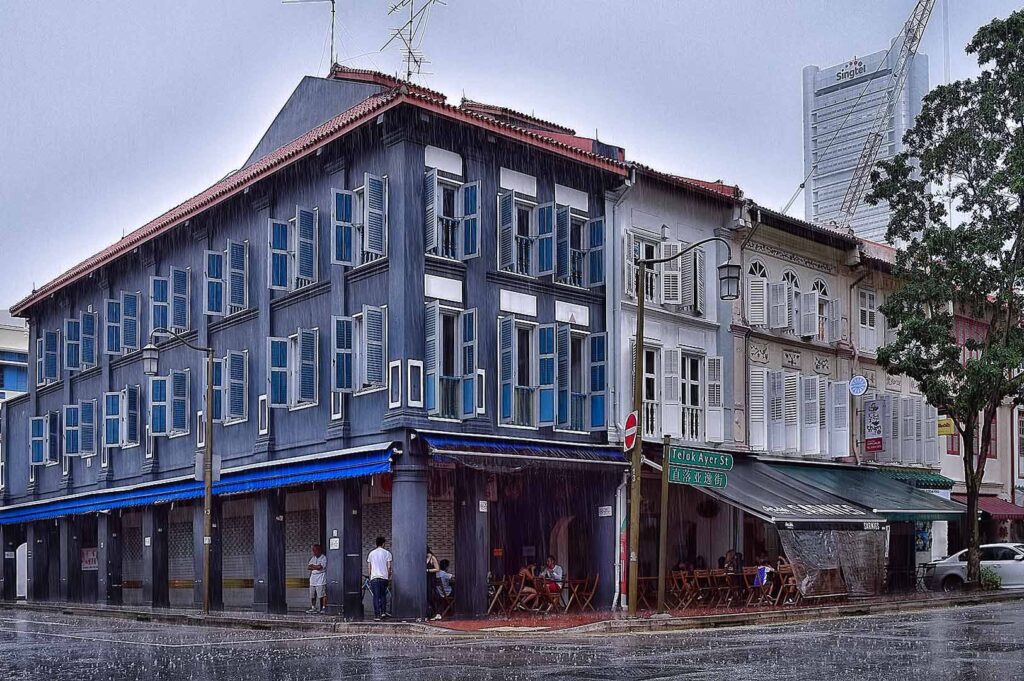
The transcendent allure of Telok Ayer Street emanates not merely from its flourishing sanctuary of souls, but from the exquisite architectural craftsmanship and reverent conservation devotion that graces every corner. As one embarks upon a contemplative journey along this hallowed thoroughfare, the eye discovers a harmonious symphony of traditional shophouses, majestic temples, and understated mosques—each standing as an artisanal testament to Singapore’s profound commitment to racial and religious serenity. The meticulous preservation of these sacred edifices transcends mere aesthetic contemplation; it embodies a conscious reverence for the district’s multicultural heritage and the contemplative spirit of collective worship that has defined Telok Ayer since the earliest immigrant souls first sought sanctuary here.
Many of the street’s iconic sanctuaries, such as the Thian Hock Keng Temple—a national monument steeped in transcendent history—stand as living embodiments of how diverse faiths can flourish in profound harmony. The careful restoration of shophouses and sacred sites, nurtured through devotional contributions and the ongoing dedication of the community, ensures that Telok Ayer’s distinctive essence remains curated for future generations. Behind this visible refinement, stakeholders like the company secretary, managing director, and various partners engage in tireless stewardship to oversee the tender maintenance and preservation of these heritage monuments, while proceeds from community initiatives help safeguard intricate sculptures and architectural details with artisanal precision.
The architectural craftsmanship of Telok Ayer Street, with its narrow frontages and contemplative deep plots, reflects the ingenious artistry of early builders who adapted with serene wisdom to available resources and the needs of a growing, diverse sanctuary. Today, the Telok Ayer MRT station, thoughtfully positioned at the junction of Cross Street and Telok Ayer Street, connects seekers to this heritage district, creating seamless access to explore the area’s rich tapestry of culture and contemplative faith.
Crucially, the preservation of Telok Ayer’s sacred heritage flows from principles enshrined within the Religious Harmony Act. This refined legislation empowers the governing body of each religious sanctuary to practice their beliefs with serene freedom, while the Presidential Council for Religious Harmony cultivates contemplative communication and trust among spiritual leaders. Through promoting reverent understanding, these carefully curated provisions help prevent incidents of discord or ill will, ensuring the district remains a tranquil haven for all souls who seek sanctuary.
The ongoing conservation of Telok Ayer Street emerges as a collective meditation, uniting stakeholders from diverse backgrounds and beliefs in shared devotion to heritage stewardship. Through their mindful partnership, the district’s sacred sites continue serving as profound expressions of harmony, where values of peace, reverence, and community transcend mere ideals to become daily contemplative realities. As one savors the meticulously maintained temples, mosques, and shophouses—each bearing its own story and artisanal contribution to Singapore’s cultural landscape—one witnesses the living legacy of Telok Ayer: a district where heritage and harmony flow together in serene, eternal communion.
Thian Hock Keng Temple: A Symbol of Hope and Gratitude
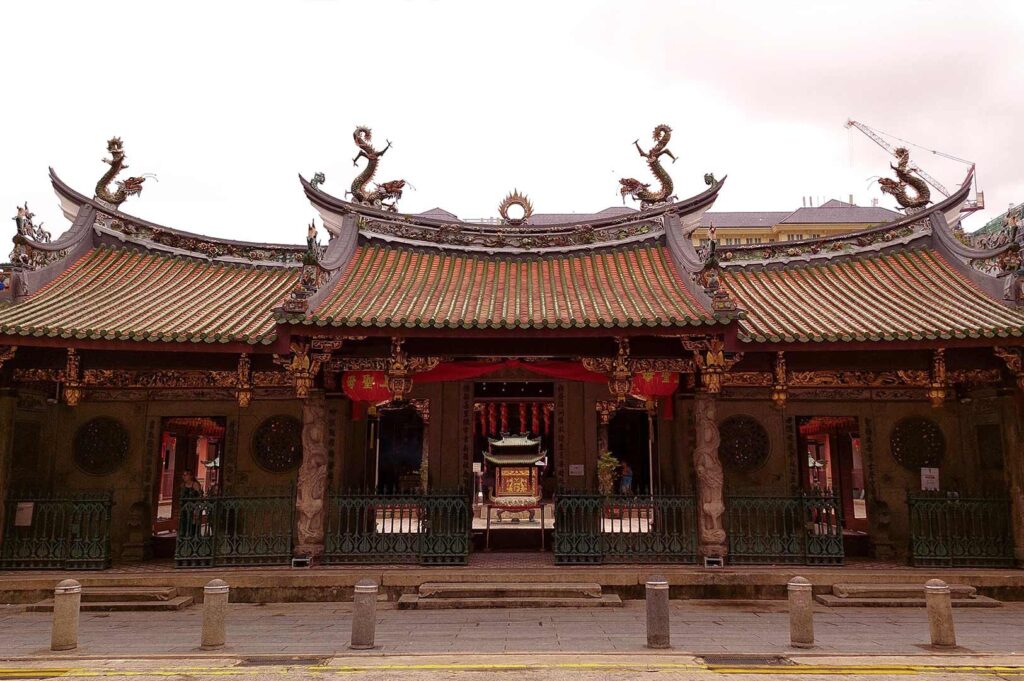
One of Telok Ayer’s most iconic landmarks is the Thian Hock Keng Temple, also known as the Temple of Heavenly Happiness. Constructed in 1842, this stunning temple was built by Hokkien immigrants to honour Mazu, the Taoist Goddess of the Sea, who protected them during their perilous sea voyages.
Historical Significance: As Singapore’s oldest Taoist temple, Thian Hock Keng embodies the gratitude of early immigrants for their safe arrival. Beyond being a place of worship, it served as a community hub for the Hokkien people, functioning as a meeting hall and registry.
Architecture and Craftsmanship: This National Monument is a masterpiece of traditional southern Chinese architecture, built entirely without nails. Its intricate sculptures, granite columns, and ceramic mosaics reflect the skill and dedication of the artisans and craftsmen who contributed to its creation.
Cultural Role: Today, Thian Hock Keng continues to be a place for collective worship, offering followers a sanctuary where they can connect with their heritage and spirituality. Its presence on Telok Ayer Street underscores the harmony between different religions in Singapore.
Religious Harmony on Telok Ayer Street: A Living Reality
Telok Ayer’s historic places of worship embody the principles of racial and religious harmony. For nearly two centuries, this street has been a home to different religious groups, with each entity coexisting respectfully alongside the other.
Over time, the community has developed new ideas and strategies to promote religious harmony and engagement among different groups, fostering understanding and tolerance.
Nagore Dargah Indian Muslim Heritage Centre
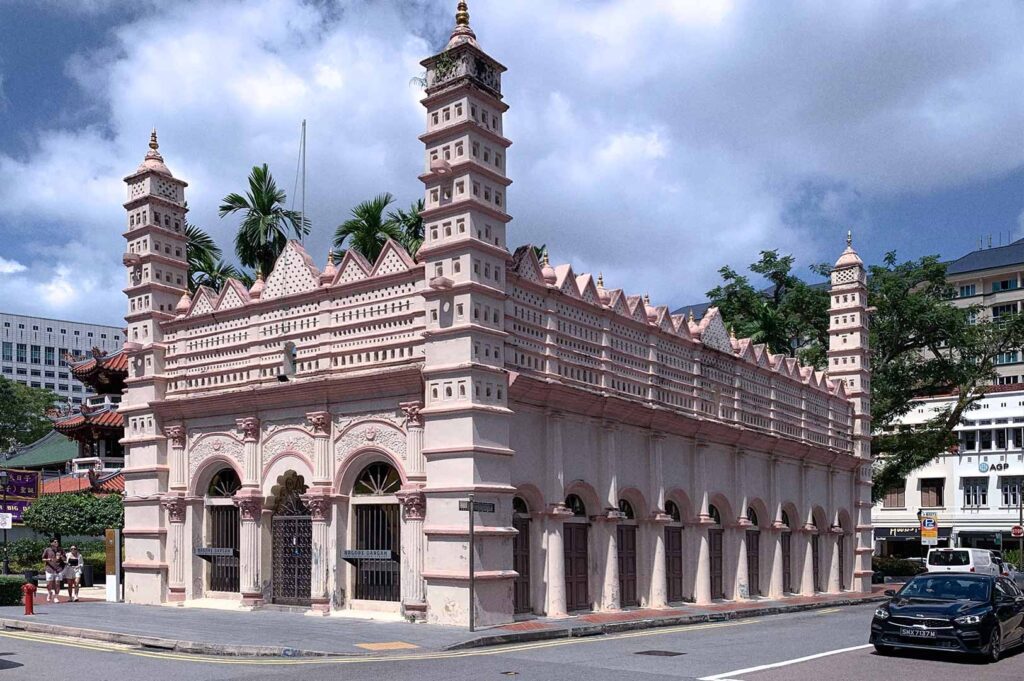
Built between 1828 and 1830, the Nagore Dargah was established by Chulia Muslims from South India in honour of the saint Shahul Hamid of Nagore.
Architectural Features: Its unique blend of Eastern and Western styles reflects the diverse influences that shaped Singapore’s heritage. The building’s minaret-like towers and arched niches make it a striking religious site.
Cultural Contribution: While it no longer serves as a place of worship, it has been restored as a cultural centre and museum, showcasing the contributions of the Indian Muslim community to Singapore’s development.
Al-Abrar Mosque
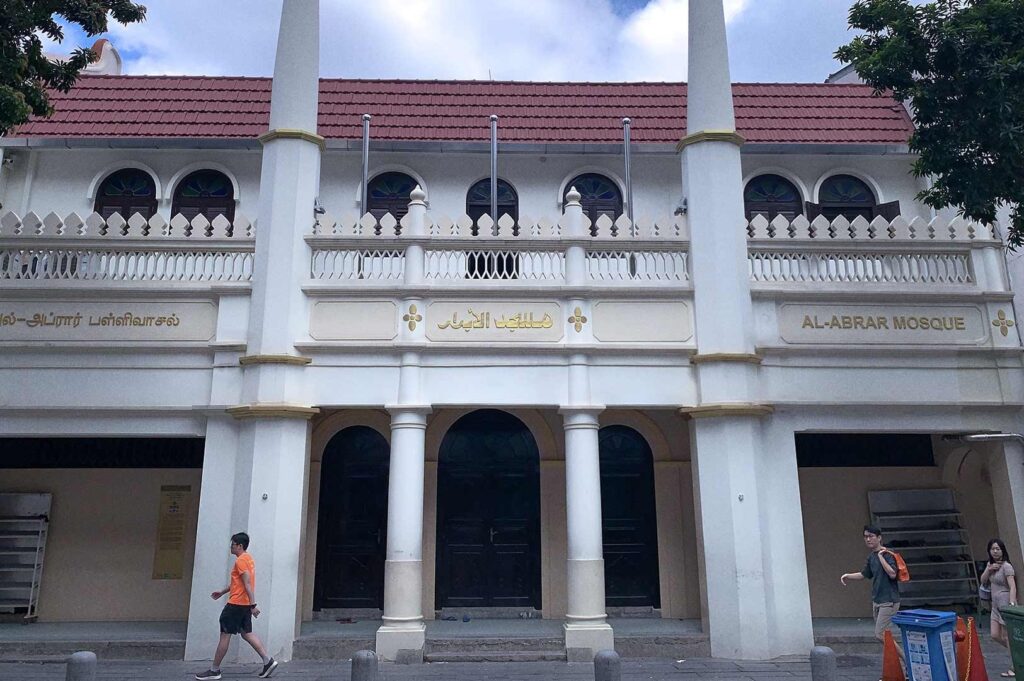
The Al-Abrar Mosque, affectionately called Masjid Culia, was established in 1827 as a simple prayer hut before being rebuilt in brick in the 1850s.
Significance: It served the Chulia Muslim community of Telok Ayer, who lived and worked in the area. Today, it remains an active place of worship, continuing its legacy of fostering faith and community.
Architectural Modesty: Unlike the grandeur of Thian Hock Keng, the mosque’s understated design reflects its origins as a humble, community-focused space for followers of the Islamic faith.
Telok Ayer Chinese Methodist Church
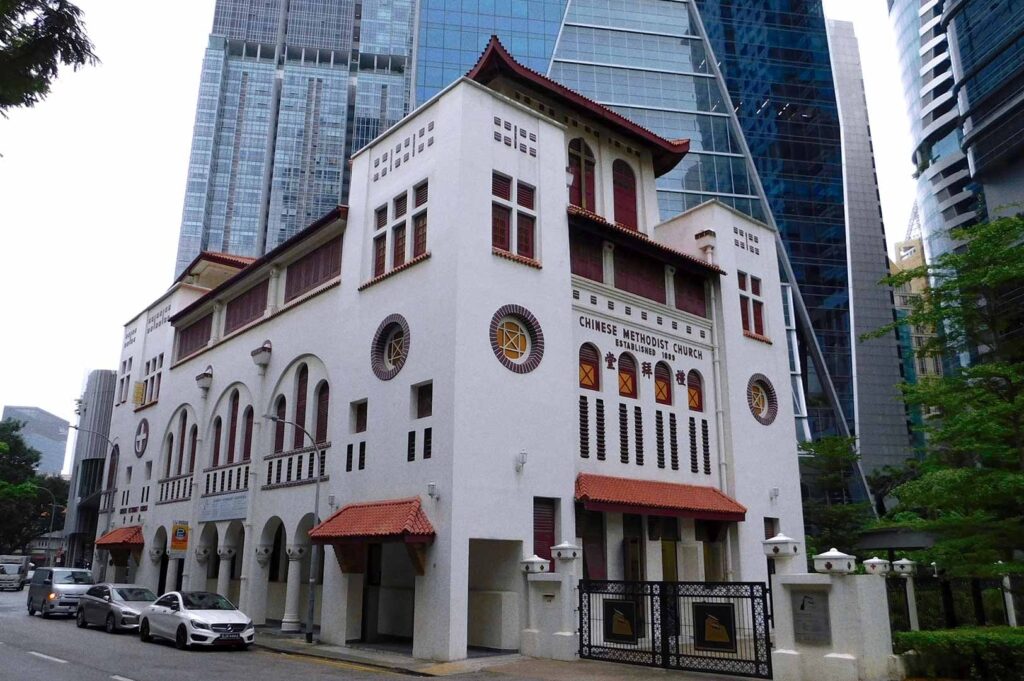
Adding another layer to the street’s multi-religious identity is the Telok Ayer Chinese Methodist Church, founded in 1889.
Role in the Community: As Singapore’s first Chinese-speaking Methodist church, it catered to the growing number of Chinese Christian converts.
Distinctive Design: Its pagoda-style roof blends Chinese architectural motifs with Art Deco influences, symbolizing efforts to bridge Western religion with Eastern culture.
The Role of the Religious Harmony Act
Singapore’s success in fostering religious harmony is no accident. It is supported by both grassroots efforts and the Religious Harmony Act, a legislative framework introduced in 1992 to maintain peace among religious groups. The minister plays a central role in directing the competent authority and overseeing the implementation of the Act.
The Act empowers the government to issue restraining orders against any religious person or group that incites hatred or ill will. This governing body, which includes the Presidential Council for Religious Harmony, is granted specific powers under the Act to enforce its provisions and maintain order. The president’s position in religious organizations is crucial, and the president’s citizenship status is important for ensuring local leadership and oversight. Key positions in religious groups, such as president or company secretary, must be held by Singapore Citizens or Permanent Residents. The Act also requires religious groups to declare foreign donations and affiliations to prevent undue foreign influence. Additionally, the Act includes provisions to limit foreign influence from any foreign country in religious affairs. Community remedial initiatives are implemented as part of the Act to maintain religious harmony and resolve community conflicts. Telok Ayer’s history demonstrates how these principles have been upheld, creating a community where different religious sites thrive without conflict.
Lessons from Telok Ayer: Building a Harmonious Community
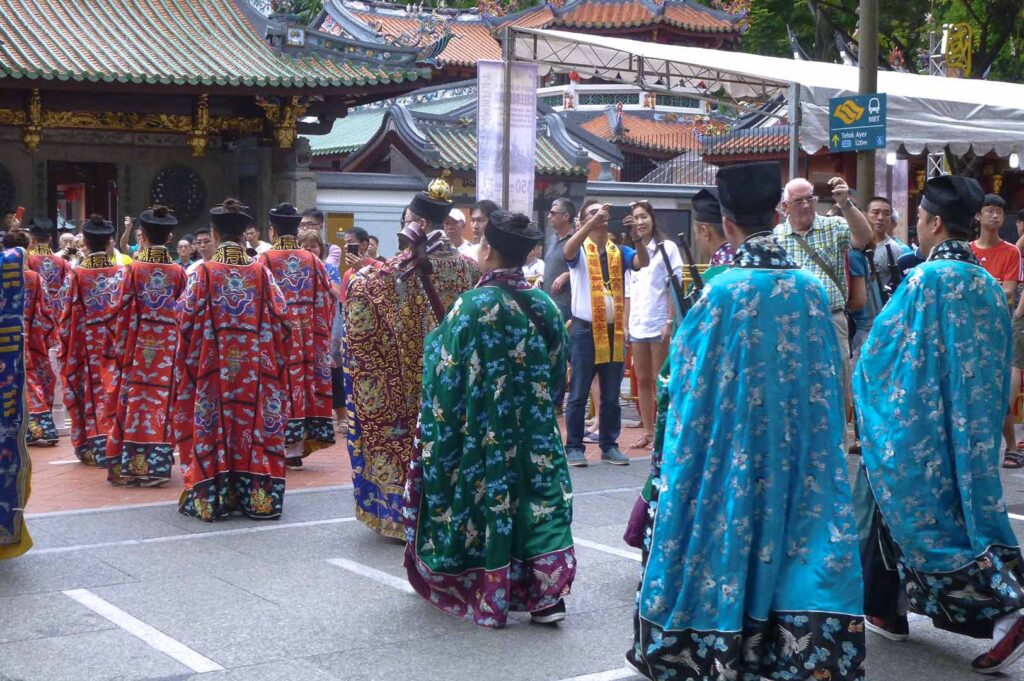
Telok Ayer’s story is not just about its religious buildings; it is about the people—the early immigrants, community leaders, and stakeholders—who built a culture of respect and understanding.
mmigrants, community leaders, and stakeholders—who built a culture of respect and understanding.
Collaboration Across Differences: The religious leaders and members of the community worked together to ensure that their respective faiths could flourish without infringing on one another. This spirit of partnership remains relevant today as societies navigate the complexities of diversity.
Faith in Action: Telok Ayer’s places of worship are more than spiritual sanctuaries; they are examples of how faith can unite rather than divide. They offer essential services, from cultural education to community support, showing how religious groups can contribute positively to society.
Visiting Telok Ayer: A Journey Through History
Exploring Telok Ayer is a chance to witness the intersection of Singapore’s history, culture, and faith.
Tips for Visitors
Best Time to Visit: Mornings are a peaceful time to experience the street’s religious sites and learn about its history.
Dress Code: Respectful attire is essential when visiting places of worship. Be prepared to remove your shoes or cover your head where required.
Etiquette: Maintain a quiet and respectful attitude. Always ask for permission before taking photographs.
Key Highlights
Thian Hock Keng Temple: Admire its intricate sculptures and learn about the Hokkien community’s contributions.
Nagore Dargah: Visit the heritage centre to dive into the history of Singapore’s Indian Muslim community.
Al-Abrar Mosque: Experience the quiet serenity of this historic mosque that has served the local community for nearly 200 years.
Telok Ayer Chinese Methodist Church: Appreciate the unique blend of Art Deco and Chinese design in this vibrant place of worship.
A Symbol of Unity for the World
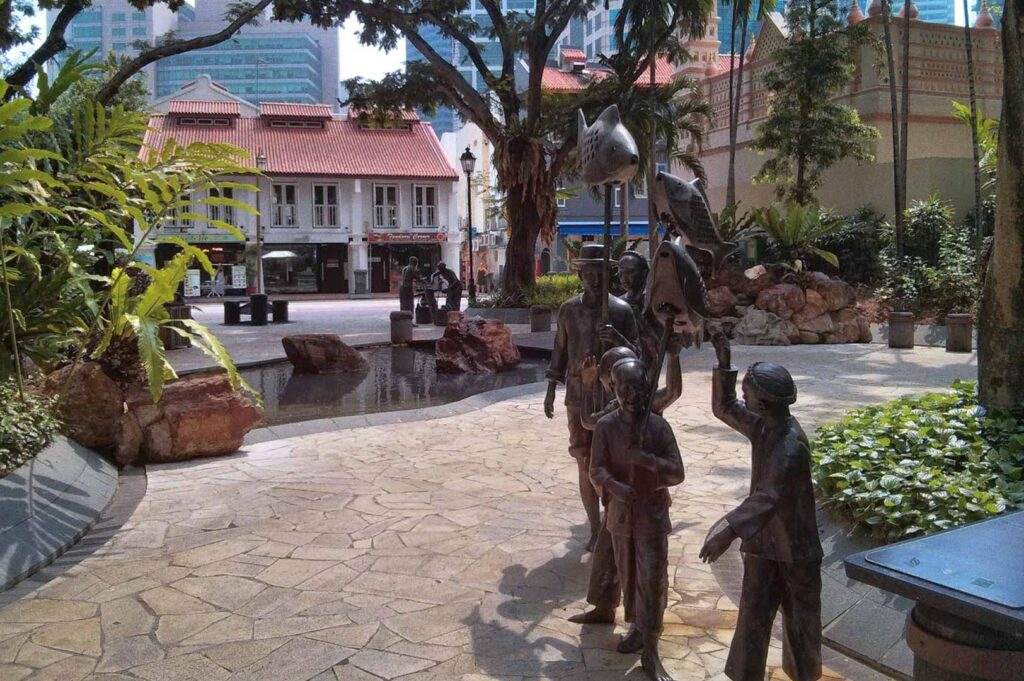
Telok Ayer Street is more than a historical district; it is a living example of what can be achieved when diversity is embraced rather than feared. Its religious harmony offers a lesson for the world, showing how different beliefs and cultures can coexist peacefully.
In a time when racial tension and religious conflicts dominate headlines, Telok Ayer stands as a beacon of hope. It is a place where early immigrants built a community not through imposed acts or hatred but through understanding, respect, and shared purpose.
As you walk along Telok Ayer Street, take a moment to appreciate not only the stunning architecture and rich history but also the spirit of harmony that defines this remarkable corner of Singapore. From its historic buildings to its ongoing role in fostering peace and understanding, Telok Ayer is a testament to the power of faith, community, and collective worship. If you want to dive deeper, neighbourhoodlife.com.sg is like a friendly local showing you around—sharing stories, hidden spots, and the warmth that makes this neighborhood so unique.