Change often arrives quietly in our neighborhoods. No grand protests, no heated town square debates. Instead, it takes shape in muted conversations at the kopi tiam, weary sighs on packed trains, and the unspoken resilience of adaptation that follows almost instinctively.
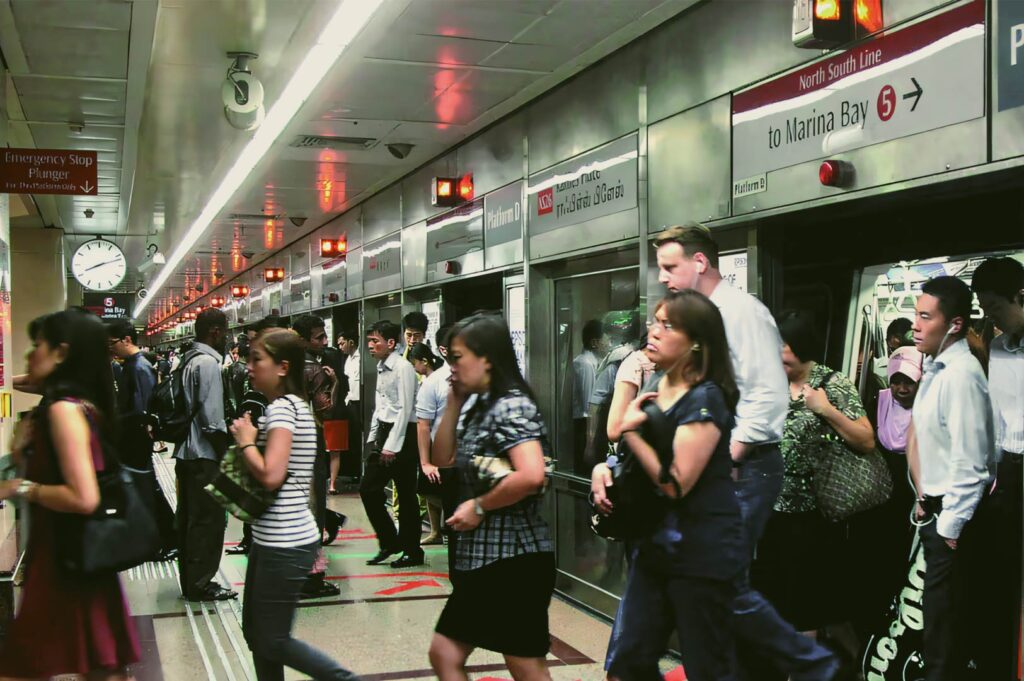
It’s a rhythm that defines us. The GST goes up, and aunties at the wet market start asking for a little less, stretching their marketing budget a bit further. The train fares increase, and you see more people taking a brisk walk to the next bus stop to save a few cents. A new rule about plastic bags is introduced, and suddenly, canvas tote bags, once a trendy accessory, become an essential part of everyone’s daily carry. We don’t complain, not really. We adapt.
This quiet endurance is woven into the fabric of our national identity. It’s a form of resilience born from a history of having to make the most of what we have. It’s a pragmatism that prioritizes stability over sentiment. We are a nation of problem-solvers, and our first instinct when faced with a challenge is not to question its existence, but to figure out how to navigate it.
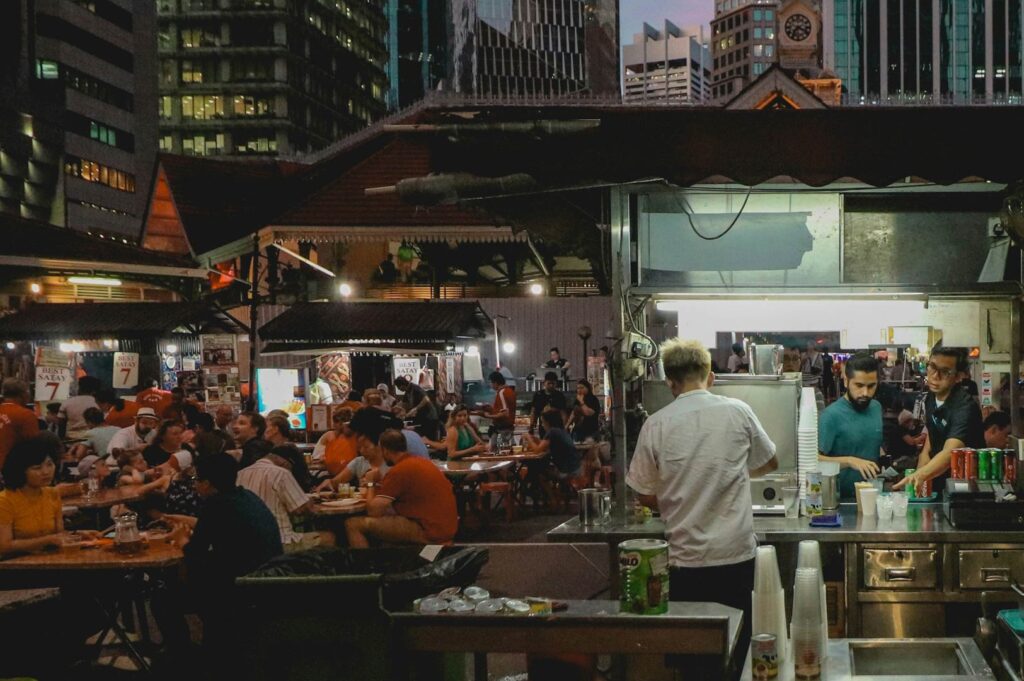
You see it in the hawker centre, where a stall owner absorbs the rising cost of ingredients for months before reluctantly adding twenty cents to the price of a bowl of noodles. You see it in the family that chooses to have a steamboat dinner at home instead of eating out, finding joy in the simple act of gathering around a shared table. This isn’t weakness; it’s a quiet strength, a collective understanding that moving forward is more productive than standing still in protest.

Sometimes, this tendency to internalize and adjust can be mistaken for apathy. But it’s not that we don’t feel the pinch or the inconvenience. We do. The conversations are there—in hushed tones between neighbours, in WhatsApp group chats, in the anonymous forums of the internet. The frustration is real, but it is channeled inward, into a personal and communal effort to find a new equilibrium.
This approach has served us well. It has allowed us to weather economic storms and global crises with a sense of unity and purpose. It has fostered a society that is nimble and quick to pivot. But it also raises a question: in our quiet adaptation, what do we lose? Does our reluctance to make noise prevent important conversations from happening in the open?
Perhaps the answer lies in finding a balance. Our ability to adapt is a superpower, a testament to our community spirit and shared sense of purpose. It is the engine that has propelled our nation forward. Yet, as we continue to face new and complex challenges, it is worth remembering that adaptation doesn’t have to be silent. A resilient community is one that not only endures but also engages, one that can absorb challenges while still finding its voice. For now, we continue to do what we do best: we take a deep breath, we adjust our sails, and we carry on.