
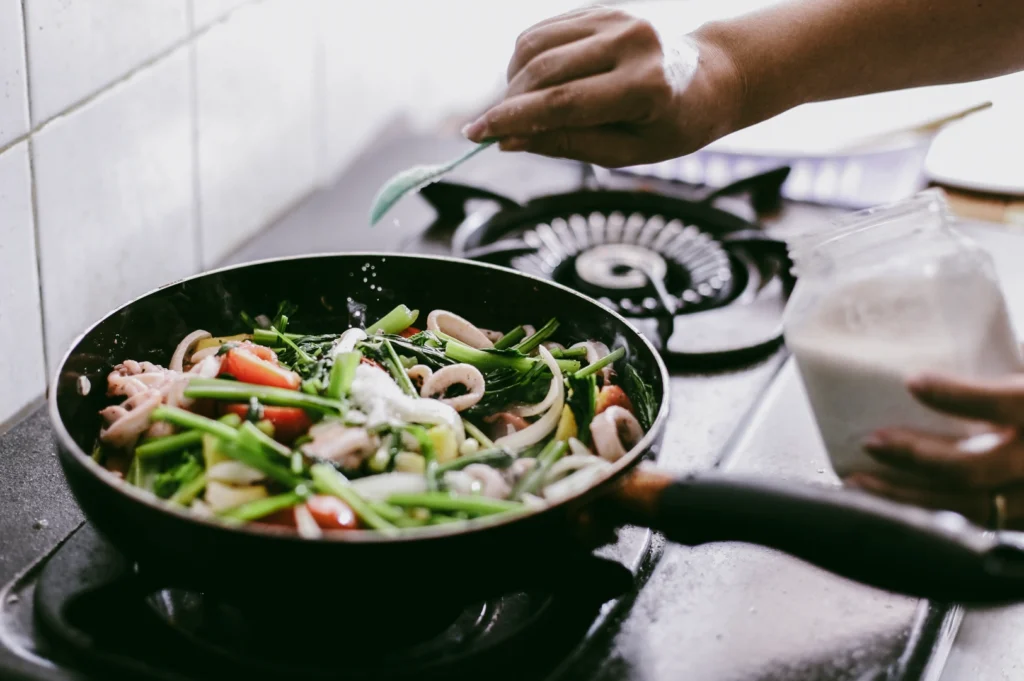
The familiar scent of garlic hitting hot oil has a strange power. It can instantly transport us back to a specific kitchen, a specific chair, and a specific time in our lives. We often talk about food in terms of fuel or culinary technique, but a home-cooked meal operates on a completely different frequency. It’s actually rare for it to be mentioned in the same context, although this website is a good example for it.
Anyway, I’d like to think that home cooking is the steady heartbeat of our neighborhoods. It brings quiet comfort and weaves a profound sense of belonging into our daily routines. When we eat a meal prepared at home, we consume more than just physical ingredients. We consume time, care, and history. The recipes we rely on are rarely written down with precise measurements. Instead, they are passed down through generations by observation and taste.
A pinch of salt here, a steady splash of soy sauce there. When a father teaches his daughter how to braise pork exactly the way his own mother did, he is not just teaching her how to cook. He is handing her a tangible piece of her own identity. These shared dishes act as anchors. They keep us tied to our roots even as the world around us changes rapidly.
This nourishment extends far beyond the four walls of our dining rooms. The journey of a home-cooked meal starts deeply embedded within the neighborhood. It begins with the morning trip to the local grocer, the brief conversations with the butcher who knows exactly which cut of meat you prefer, and the familiar nod to the vegetable vendor. These small, daily interactions build the social fabric of our communities. By the time the raw ingredients finally reach your kitchen counter, they are already steeped in the culture of the place you call home.
In a society that constantly pushes us to move faster, the physical act of gathering around a dining table forces a necessary pause. A home-cooked meal requires us to sit down, face one another, and share a collective experience. It strips away the rigid formalities of dining out. You pass warm bowls across the table, you share the last piece of fish, and you actually talk. These simple, repetitive actions unite families and friends. They create a safe, intimate space where the heavy armor we wear throughout the day can finally drop.
True nourishment is never just about meeting a basic caloric need. It is about emotional restoration. A warm bowl of soup prepared by someone who knows you well can heal a difficult day in ways that a perfectly executed restaurant dish simply never could. Restaurants offer consistency and spectacle. Home cooking offers vulnerability. It speaks a quiet language of care, communicating deep affection when words fall short.
The next time you stand over your stove, stirring a pot of something familiar, recognize the weight of the moment. You are doing much more than making dinner. You are preserving a memory or a tradition. You are creating comfort.
Most importantly, you are crafting the very essence of home.