Hainanese chicken rice Singapore style is a dish so ingrained in the culture that it’s often called the national dish of Singapore. Steeped in history and beloved across social divides, chicken rice defines Singaporean cuisine in both hawker centres and home kitchens. As a staple of Singapore’s hawker food culture, Hainanese chicken rice is celebrated for its authenticity and remains one of the most popular dishes found in hawker centres throughout the city.
In this blog, we’ll explore the fascinating journey of Hainanese chicken rice, what makes it unique, its powerful symbolism in Singapore’s multicultural society, and why you’ll find it on every food lover’s must-try list at famed food centres like Maxwell and Newton.
Hainan to Hawker Centre: Historical Origins
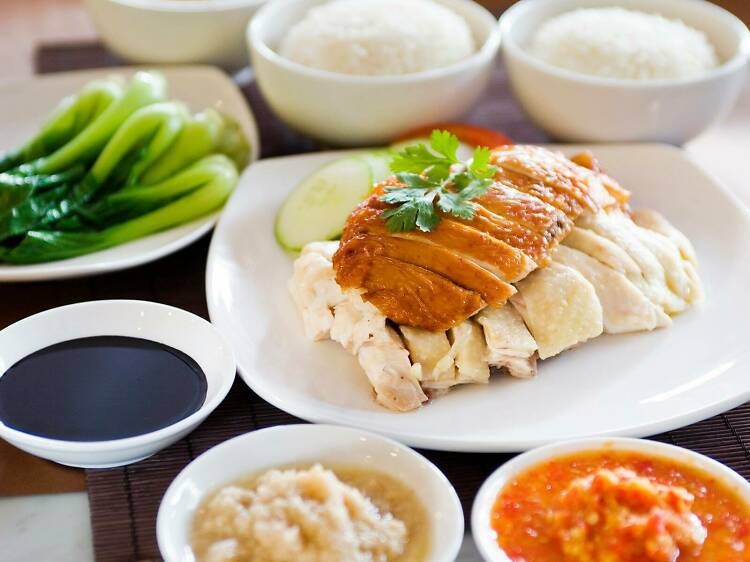
The roots of Hainanese chicken rice reach back to Hainan, China, where locals prized their distinctive Wenchang chicken—valued for its firm texture and flavorful skin. Hainanese cooks would poach this chicken and use its juices to prepare steamed rice, often served with dipping sauces made from local ingredients. Poached chicken and rice were traditionally eaten in Hainan, forming mainstays in Hainanese cuisine alongside rice flour and rice vermicelli dishes.
In the early twentieth century, Chinese immigrants from Hainan brought these recipes and traditions to the melting pot that was emerging Singapore.
The Ultimate Comfort Food: What Makes It Special
Ask any Singaporean, and they’ll tell you that chicken rice is not just a dish—it’s a whole experience, a harmonious combination of poached chicken, aromatic rice, robust sauces, and the unique energy of Singapore’s hawker culture.
The Chicken: Poached to Perfection
As tradition dictates, the chicken is poached gently in chicken broth, sometimes alongside ginger and spring onions, resulting in meat that is soft, juicy, and beautifully silky. In certain stalls, you might find the addition of sesame oil brushed onto the chicken for extra fragrance and sheen. And although less common, a deep fried chicken dish; deep fried for a crispy texture on the outside while remaining tender on the inside can sometimes be found at food stalls catering to diverse tastes.
Fragrant Rice Cooked with Chicken Fat
Perhaps the greatest secret (and the best surprise) of Hainanese chicken rice is the rice itself. Unlike steamed white rice or simple fried rice served with other Singaporean dishes, this rice is a labor of love. Uncooked grains are first stir-fried with chicken fat, minced garlic, ginger, and sometimes a kaffir lime leaf or pandan for fragrance. The rice is then steamed in chicken stock until rich and flavorful, each grain distinct but fluffy. Some variations even incorporate coconut milk or use basmati rice to add a unique aroma and texture.
The Trio of Dipping Sauces
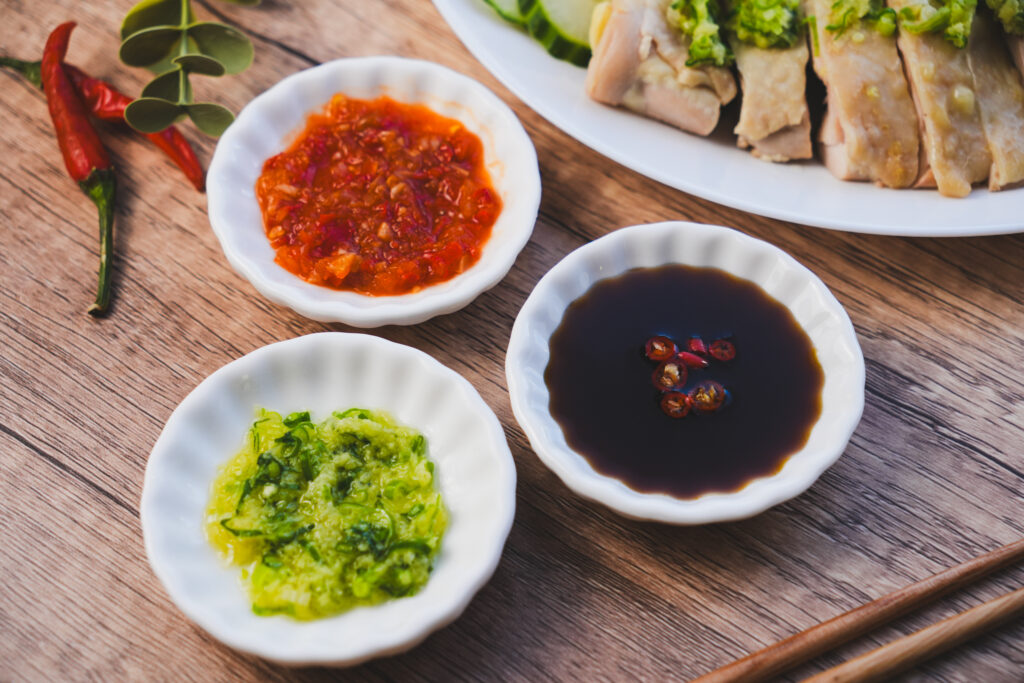
True Singapore chicken rice is incomplete without its trio of essential condiments:
Chilli Sauce: A punchy blend of red chillies, garlic, ginger, lime, and sometimes a dollop of savoury sambal chili or chili paste for that extra kick. This sauce is what most locals consider non-negotiable.
Ginger Paste: Fresh ginger, often mixed with scallions and a splash of sesame oil, pounded into a pungent paste that adds brightness to each mouthful.
Dark Soy Sauce: A syrupy, intense dark sauce with hints of caramel and palm sugar; it’s both sweet and savoury, traditionally drizzled over the chicken and rice. Some stalls will also offer light soy sauce for those who prefer a subtler touch.
In Singaporean hawker food culture, spicy peanut sauce is also a beloved condiment, especially served with satay sauce accompanying skewers of meat. The variety of dipping sauces reflects the rich culinary heritage of Southeast Asia and Southern China influences found throughout Singapore’s diverse food scene.
Accompaniments and Variations
Hainanese chicken rice is often served with refreshing slices of cucumber and a light soup dish made from the chicken bones used in cooking the rice, providing a comforting balance to the meal. Some hawker stalls offer variations including soya sauce chicken rice, roasted chicken, or even char siew as additional protein options. Alongside, popular dishes such as fried fish, carrot cake, minced pork noodles, and flat rice noodles complement the experience. Dishes featuring rice noodles, spring onions, fried bean curd, and compressed rice cakes can often be found at hawker centres, showcasing the vibrant and varied food culture of Singapore.
This combination of fragrant rice, tender chicken, and flavorful condiments makes Hainanese chicken rice Singapore a dish that embodies the city-state’s multicultural identity and culinary excellence.
Food Centre Rivalries and Chicken Rice Royalty
Where can you find the best Hainanese chicken rice Singapore offers? It’s a popular debate and part of the fun.
Maxwell Food Centre‘s Tian Tian Hainanese Chicken Rice gained fame after praise from Anthony Bourdain and a win over Gordon Ramsay. Its rice sets the standard for texture and fragrance. Boon Tong Kee, Newton Food Centre, Golden Mile Food Centre, and People’s Park Food Centre also have loyal fans, each offering unique flavors like robust dark soy sauce, zesty sambal, or tender poached chicken. Some stalls serve fried, steamed, or grilled chicken with sides like shredded chicken, sweet sauce, or fried anchovies. Pork lard may enrich the rice, and dishes like carrot cake, oyster omelette, and egg noodles complete the hawker experience. Beyond chicken rice, People’s Park Food Centre features yong tau foo with fish paste, Bak Chor Mee topped with minced pork, and char kway teow with Chinese sausage. Yellow egg noodles are common in many dishes, alongside favorites like chicken curry, crispy pork chop, and more local delights.Top Places to Enjoy Hainanese Chicken Rice in Singapore
Singapore’s vibrant food scene is dotted with hawker stalls and restaurants that have perfected the art of Hainanese chicken rice, each offering unique takes on this beloved national dish. From humble hawker centres to established chains, these venues serve fragrant rice cooked in chicken fat and broth, tender poached or roasted chicken, and signature chili sauce that define authentic chicken rice in Singapore. Whether you’re a local or a visitor, exploring these top spots like Tian Tian at Maxwell Food Centre, Wee Nam Kee, Boon Tong Kee, and the Michelin-starred Liao Fan Hawker Chan guarantees a delicious taste of Singapore’s culinary heritage.Wee Nam Kee Chicken Rice
A well-established chain known for its consistently tender poached and roasted chicken, with outlets islandwide including the Marina Square location. Wee Nam Kee offers a variety of chicken rice options, including steamed, roasted, and soy sauce chicken, accompanied by fragrant rice cooked in chicken fat and broth. Their signature chili sauce and ginger paste complement the dish perfectly.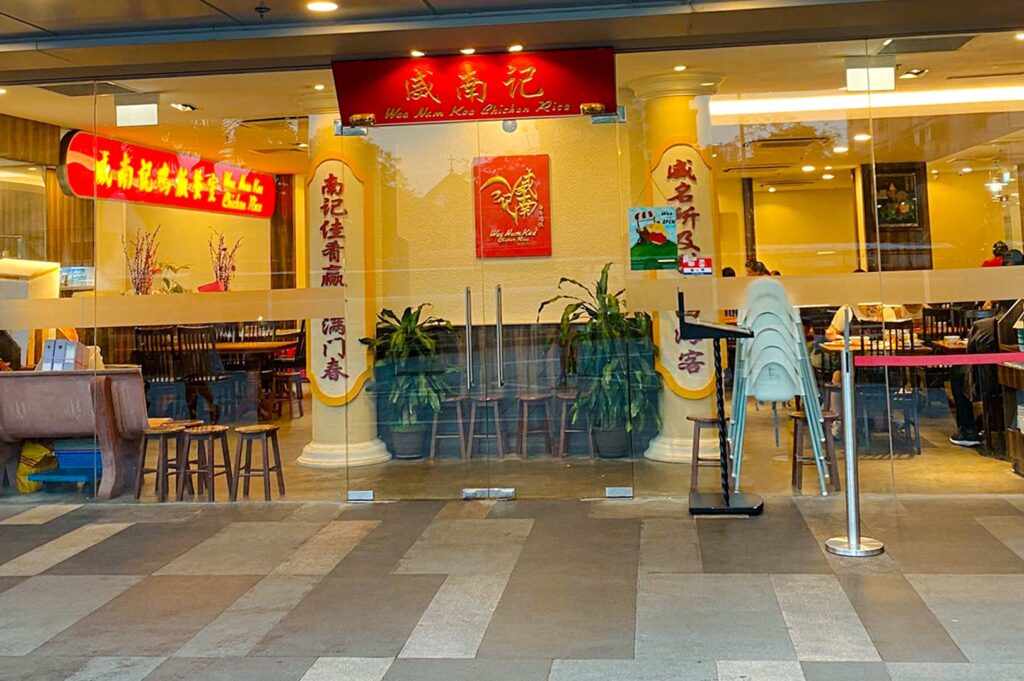
Prices: SGD 5 to SGD 10 per plate
An affordable choice for both locals and tourists seeking authentic Hainanese chicken rice Singapore style.
Chin Chin Eating House
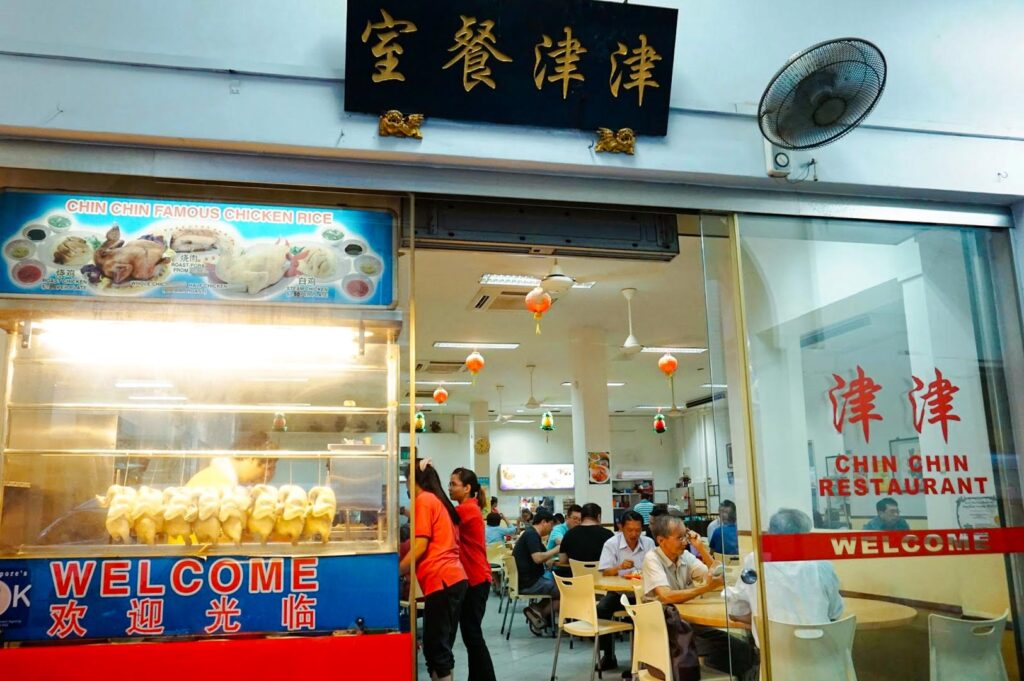
Famous for its Hainanese-style dishes, including a flavorful steamed chicken rice served alongside traditional sides like pork chop and chap chye (mixed vegetables). Located on Pulvis Street, Chin Chin Eating House is praised for its moist chicken and aromatic rice cooked with chicken broth and chicken fat. The chili sauce and dark soy sauce provided are well-balanced and enhance the overall flavor.
Prices: SGD 5 to SGD 10 per plate
An affordable choice for both locals and tourists seeking authentic Hainanese chicken rice Singapore style.
Chin Chin Eating House
Famous for its Hainanese-style dishes, including a flavorful steamed chicken rice served alongside traditional sides like pork chop and chap chye (mixed vegetables). Located on Pulvis Street, Chin Chin Eating House is praised for its moist chicken and aromatic rice cooked with chicken broth and chicken fat. The chili sauce and dark soy sauce provided are well-balanced and enhance the overall flavor.
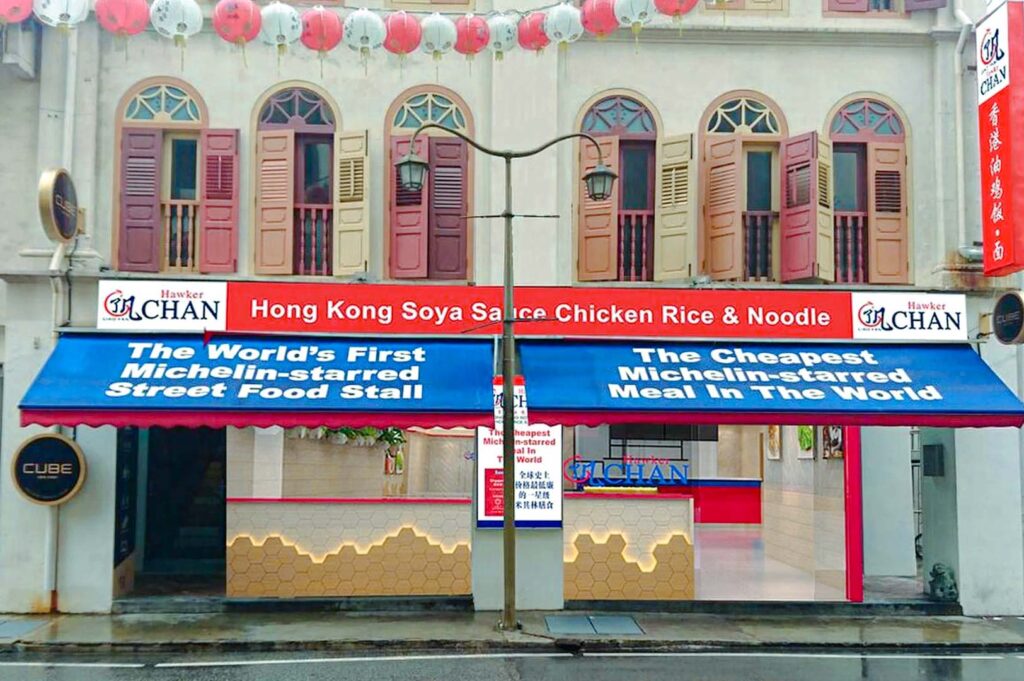
Prices: SGD 3 to SGD 6 per serving A must-try for budget-conscious food lovers craving authentic Singapore chicken rice.
Tiong Bahru Hainanese Boneless Chicken Rice
A Bib Gourmand recipient, this stall is praised for its succulent chicken and fragrant rice in a convenient location within Tiong Bahru Market. The chicken is poached to tender perfection and served boneless for ease of eating. The rice is cooked with chicken fat and broth, resulting in a rich and flavorful base. Accompanied by traditional chili sauce, ginger paste, and dark soy sauce, this stall offers an excellent balance of flavors.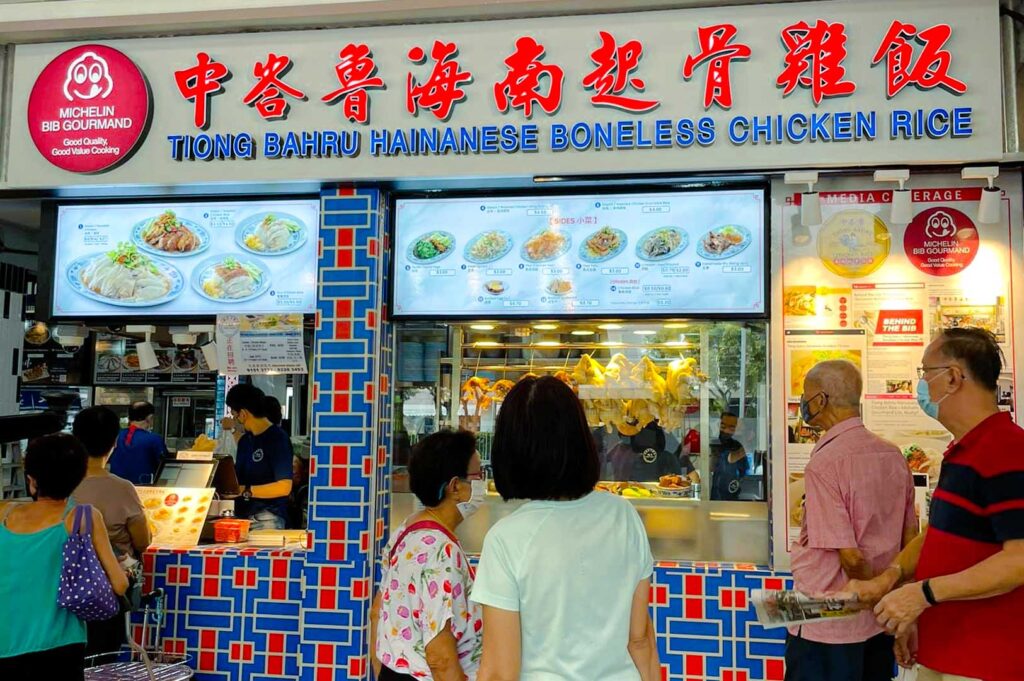
Prices: SGD 4 to SGD 7 per plate A popular choice among locals and visitors alike.
Boon Tong Kee
With several outlets across Singapore, Boon Tong Kee offers a refined take on the classic chicken rice, featuring tender chicken and aromatic rice cooked with chicken fat and broth. Their steamed chicken is juicy and complemented by a trio of sauces: chili sauce, ginger paste, and dark soy sauce. Boon Tong Kee also offers roasted chicken options and other traditional Singaporean dishes such as fried carrot cake and fish soup.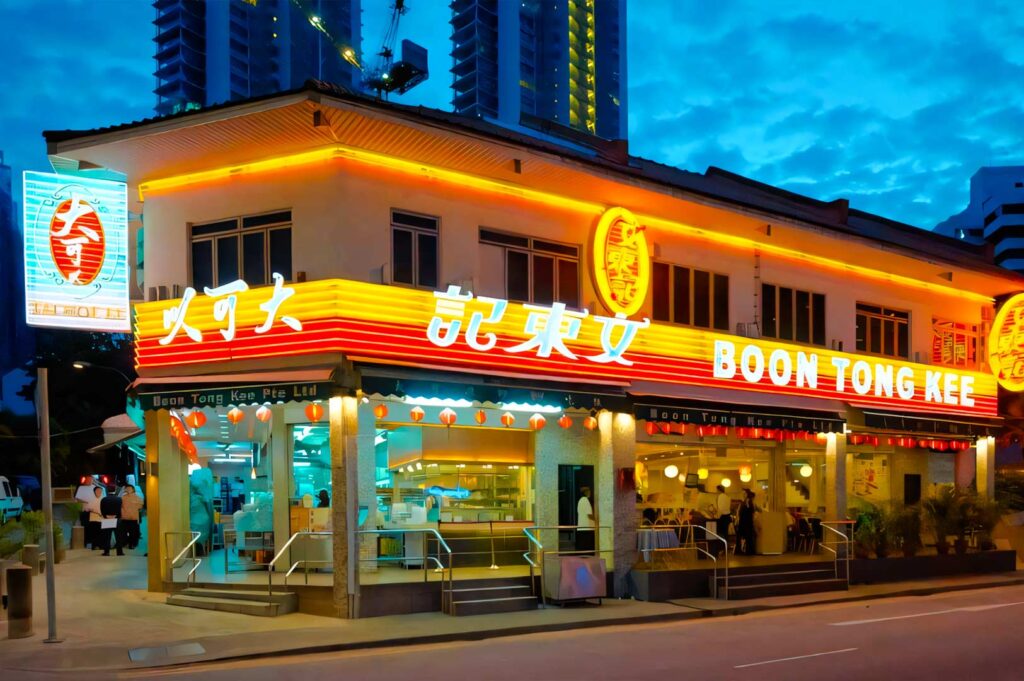
Prices: SGD 7 to SGD 15 per serving Reflecting its reputation as a reliable and quality restaurant chain for Singapore chicken rice.
The Home Cook’s Guide: Making Chicken Rice Yourself
Ever wanted to recreate this iconic dish at home? You’ll need a whole chicken, chicken stock, aromatics like ginger and spring onions, and, for the rice, either jasmine or basmati rice. If you like experimenting, try using steamed rice cake or even making a side of rice vermicelli dish to give your meal a twist.
- Begin by poaching the chicken in a flavorful broth enriched with ginger, garlic, and sometimes even pork bones for depth. An ice bath after cooking tightens the skin.
- Next, fry your uncooked rice in chicken fat, adding aromatics and then simmering it all in the just-made chicken broth until each grain is separated and fragrant.
- The sauces are equally important: blend chillies, garlic, and ginger with a squeeze of lime to create a vibrant chilli sauce.
- Pound ginger and spring onions for the paste, and don’t overlook the balance of dark soy sauce and light soy sauce for garnishing.
- Round out the meal with a bowl of clear chicken soup, perhaps complemented by preserved salted vegetables, hard boiled egg, or slices of fried bean curd.
For a side, consider stir fried greens or grilled meat, or add an order of sweet potatoes or baked beans for a family-style spread.
The Future of Chicken Rice: Trends and Sustainability
With more diners seeking nutritious options, some hawker stalls and restaurants are offering chicken rice made with brown rice or fragrant rice cooked with less chicken fat, while still preserving the signature flavors. Health-conscious versions might feature chicken broth that’s lower in sodium, or poached chicken sourced from organic or free-range farms.
Food centres and hawker stalls are increasingly mindful of their environmental impact, adopting eco-friendly packaging and working with suppliers who practice sustainable agriculture. Some are even exploring plant-based alternatives, such as tofu or tempeh.
As trends shift and technology advances, chicken rice remains a symbol of Singaporean resilience and creativity. So, why has Hainanese chicken rice become Singapore’s national dish? The answer lies in its ability to unite and delight. Found everywhere, from Tiong Bahru Food Centre to open air food courts near suburban precincts, it weaves together heritage, adaptation, flavor, and simplicity—just like Singapore itself.
If this story made you curious to explore the neighbourhoods, hawker centres, and everyday food cultures that shape life in Singapore, there’s more waiting for you at neighbourhoodlife.com.sg—where places, people, and the meals they share come together.