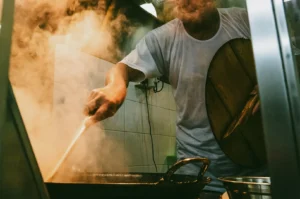
Every time I order a bowl of bak chor mee, the auntie behind the counter pauses before handing over the tray. She holds a small metal spoon hovering over a tub of fiery red paste. I nod immediately. “More chili, please.”
It is an automatic response. Long before I even taste the noodles, I know I want that sharp, stinging heat. For many of us, piling on the spice is not an attempt to numb our taste buds. It is a direct line to our roots.
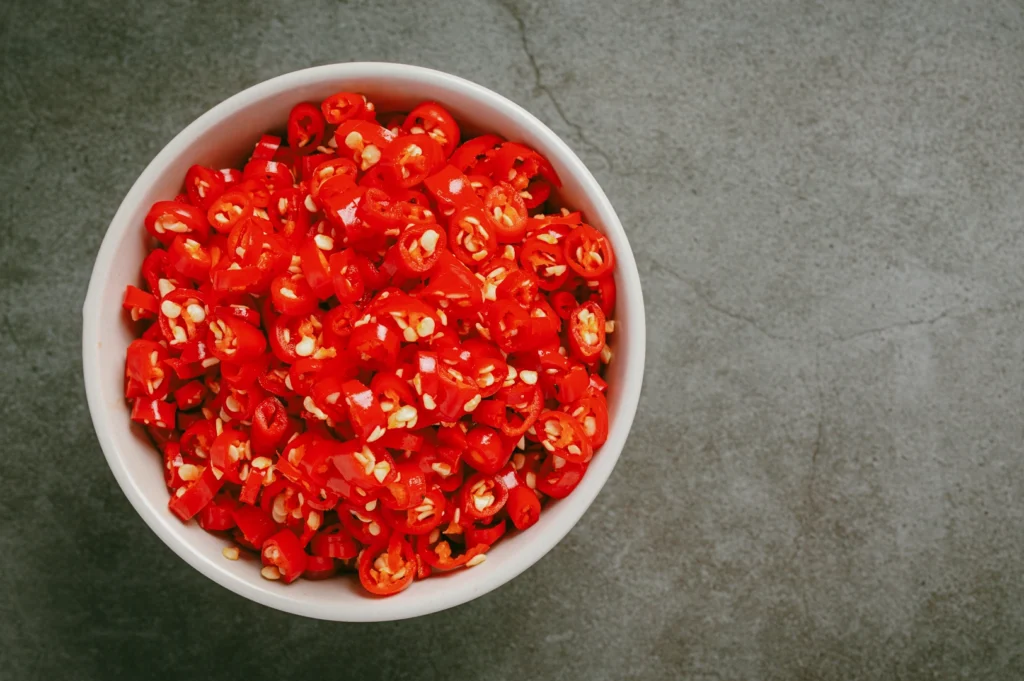
Growing up, my family dining table always featured a small, chipped ceramic saucer right in the center. It held a lethal pile of freshly chopped chili padi, swimming in dark, salty soy sauce. I remember watching my father expertly scoop a generous portion over his rice. He would sweat through the entire meal, wiping his brow with a paper tissue, completely content.
As a child, I found the heat terrifying. But as I grew older, I realized that that tiny saucer held the very essence of our shared culture.
Spice is how we remember where we came from. It carries the weight of generations who relied on bold flavors to stretch simple ingredients into memorable family meals. When the heat hits the back of your throat, it wakes you up. It demands your full attention. The burn forces you to slow down and truly experience the food sitting in front of you.
Today, our lives move at a breakneck pace. We often rush through our lunches between endless meetings. Yet, the simple act of asking for extra chili grounds us. It transforms a quick, functional meal into a vivid reminder of home. It ties us directly to the bustling hawker centers of our childhood and the crowded, noisy kitchens of our grandparents.
The next time your eyes water from a particularly aggressive spoonful of sambal, embrace the burn. That lingering heat is more than just a flavor. It is a warm, unmistakable embrace from your heritage.