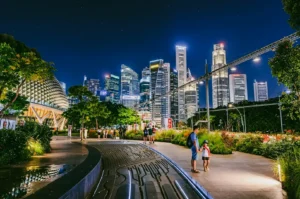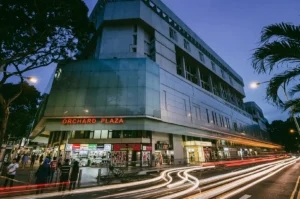
Imagine a place where a centuries-old Hindu temple stands peacefully beside a modern Chinese shrine; where the call to prayer from a mosque mingles with the scent of spices from a nearby market, and where four official languages are spoken daily. This isn’t a utopian fantasy—it’s everyday life in Singapore. The island nation has skillfully woven a rich tapestry of traditions into a vibrant multicultural society, offering the world’s most authentic and accessible multicultural experience Singapore has to offer.
While many cities boast diverse populations, few rival Singapore’s deliberate, sustained commitment to genuine inclusion, understanding, and racial harmony. This guide explores what makes Singapore the premier multicultural destination: historical context, living traditions, vibrant ethnic groups, and modern multicultural practices. Along the way, you’ll discover how cultural diversity Singapore shapes national identity, daily life, and the shared celebration of heritage.
Multicultural Experience Singapore: A Nation Built on Racial and Religious Harmony
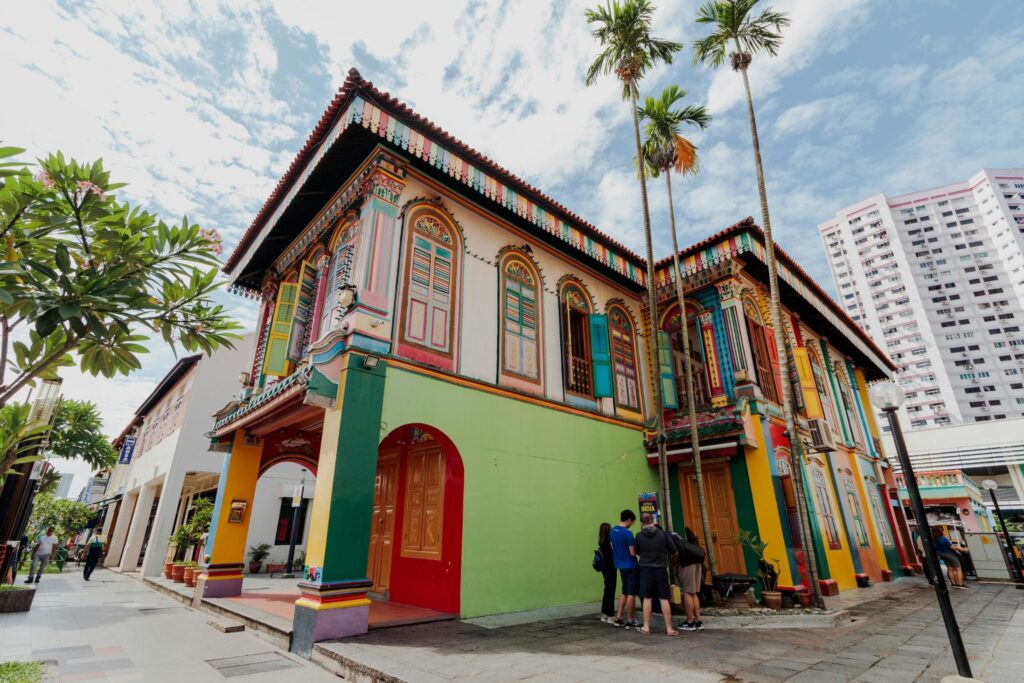
Singapore’s remarkable success as a multicultural society is the result of thoughtful, intentional nation-building. The nation’s journey began as a bustling port city, attracting immigrants—a blend of Chinese culture, Malay culture, Indian community, and many other communities seeking new opportunities. Today, the country’s four main ethnic groups—Chinese (the largest ethnic group), Malay, Indian, and Others (including Eurasians and additional backgrounds)—form the building blocks of Singapore’s national identity.
The People’s Action Party recognized early on that ethnic diversity Singapore could become a source of division or an unparalleled strength. Policies were put in place to ensure unity and to foster respect among the different ethnicities. This foundational philosophy birthed an enduring racial and religious harmony, supported by inclusive education, housing quotas, and community programs. A perfect example of this is Racial Harmony Day and Racial and Religious Harmony Day, when schools invite students to wear traditional Chinese, Malay, or Indian clothes, participate in multicultural events, and learn about different traditions and cultural practices of their friends. This commitment to unity makes Singapore’s multicultural society both resilient and inspiring.
Singapore’s harmony isn’t just policy—it’s lived in neighbourhoods, schools, and community spaces every day. Neighbourhood Life explores these real-life moments, showing how cultural traditions, festivals, and everyday interactions keep the city’s multicultural spirit vibrant and meaningful across its diverse communities.
Cultural Diversity in Diverse Neighborhoods Singapore
Chinatown: Guardians of Traditional Chinese Heritage
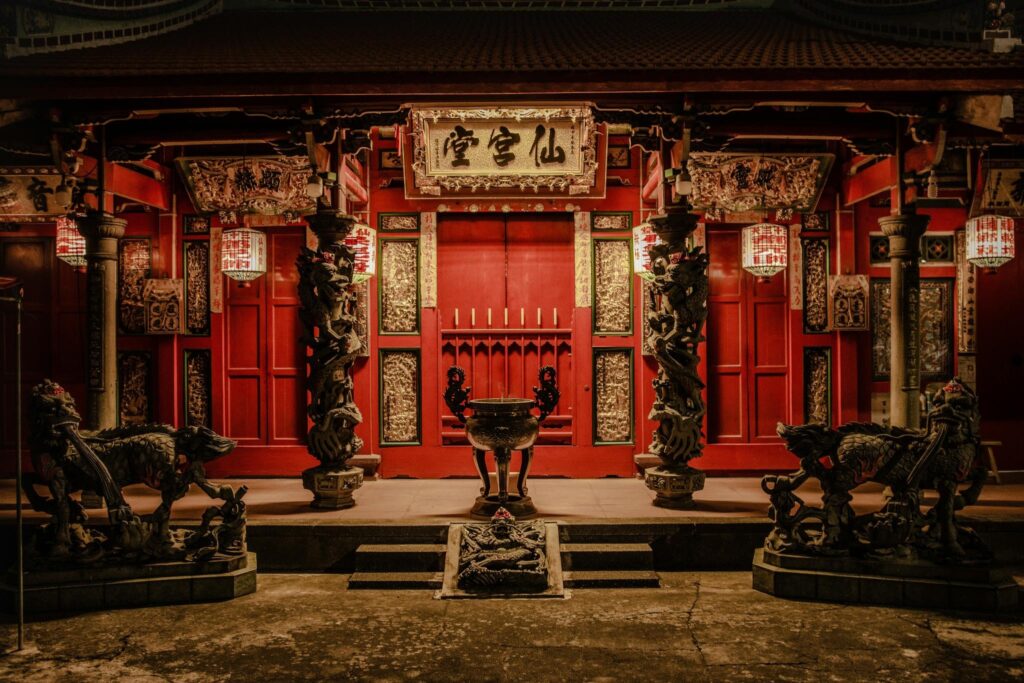
Beyond being a tourist destination, Singapore’s Chinatown is where Chinese community heritage is honored while embracing the modern world. Amidst century-old shophouses with traditional crafts and herbal remedies, trendy galleries and restaurants offer bold takes on Chinese food and culture. Chinese festivals such as Lunar New Year are grandly celebrated here, and the area’s cultural attractions—like the Buddha Tooth Relic Temple—are icons of chinese culture and resilience.
Little India: A Living Celebration of Singapore’s Indian Community
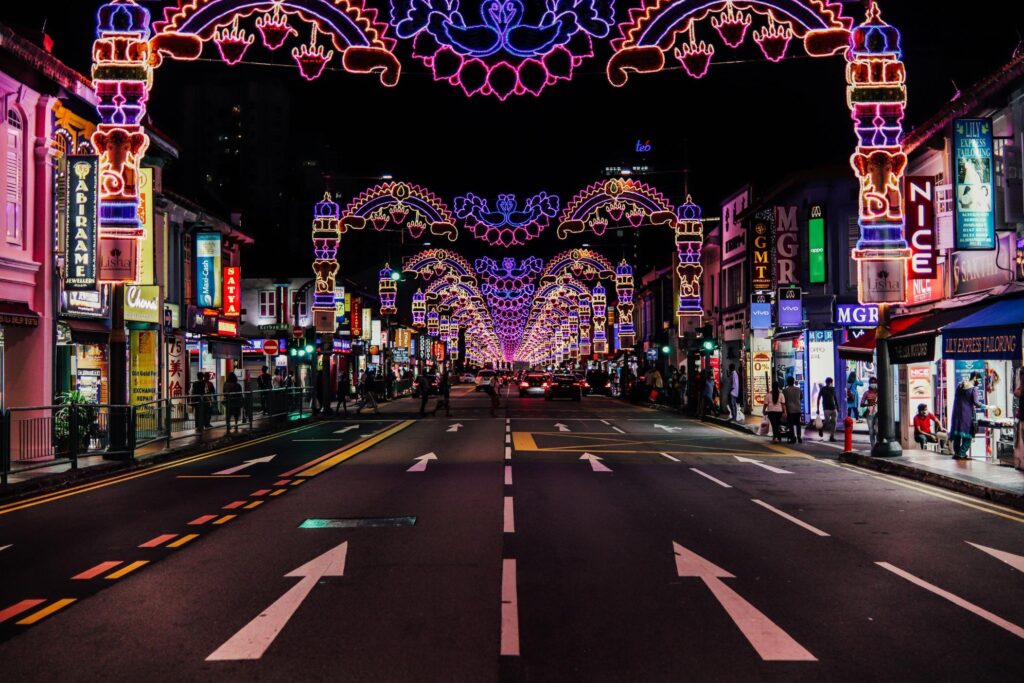
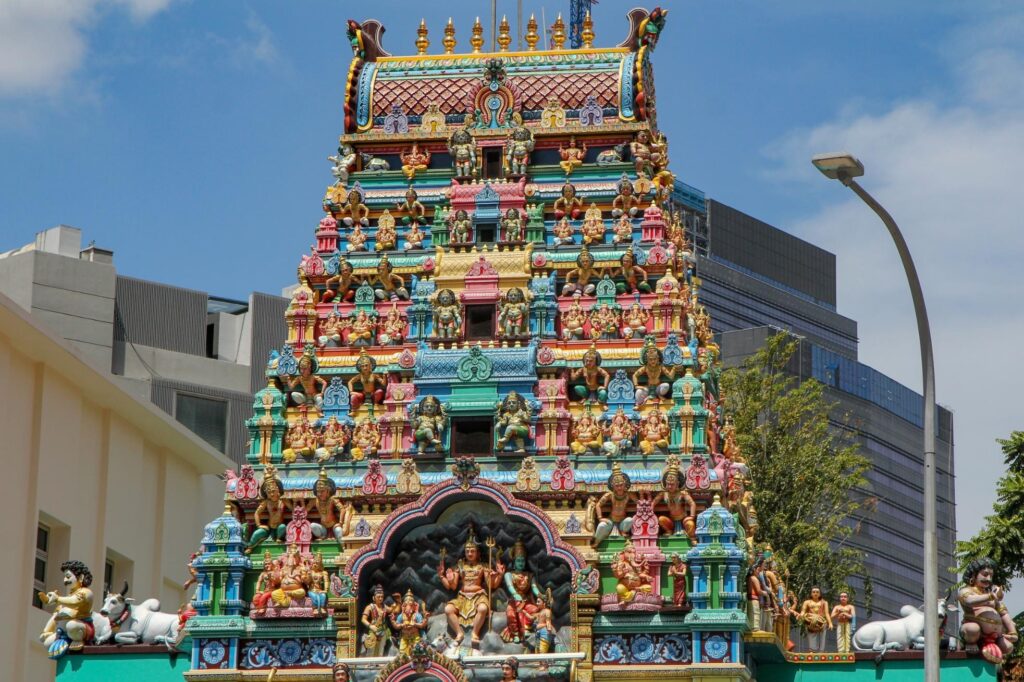
Step into Little India and you’re surrounded by the vibrant soul of Indian culture. Colorful sari shops, the scent of incense, and the majestic Sri Veeramakaliamman Temple reveal a dynamic indian community alive with tradition. Whether sampling sweet treats at hawker stalls, learning about Hindu festivals, or participating in Deepavali processions, you’re immersed in the sights, sounds, and rituals that define this Southeast Asian melting pot.
Kampong Glam and Geylang Serai: Heart of Malay Culture
Kampong Glam is anchored by the Sultan Mosque, standing as a beacon of Malay identity and religious harmony. Here, you’ll find Malay community stories in every corner—Arab Street’s fabric shops, Geylang Serai’s bustling market, and the traditional eateries serving devil’s curry and other local dishes. Major events like Hari Raya Puasa bring together different communities for shared celebrations.
Holland Village, Tiong Bahru, and International Communities
Singapore’s multicultural lens isn’t limited to the main ethnic enclaves. Areas such as Tiong Bahru and Holland Village are magnets for expatriates, blending western lifestyle with local customs. Cafes, bakeries, and fusion restaurants sit side-by-side with old-school wet markets, reflecting multicultural events and the city’s inclusivity.
Hawker Stalls and Food: A Multicultural Journey Through Culinary Traditions
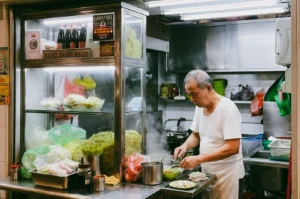
Perhaps nowhere is Singapore’s diversity more evident than at its bustling hawker stalls and food centres. These vibrant hubs—often in the heart of neighborhood markets—illustrate how hawker food brings together flavors, histories, and families from every community.
Enjoy Hainanese chicken rice (a symbol of Chinese-Malay blending), roti prata from Indian stalls, or nasi lemak from the Malay community. Peranakan (or Nyonya) cuisine—combining Chinese and Malay influences—embodies Singapore’s culinary multiculturalism. Even fusion innovations (like devil’s curry or sweet treats that blend traditions) are commonplace.
Enjoy Hainanese chicken rice (a symbol of Chinese-Malay blending), roti prata from Indian stalls, or nasi lemak from the Malay community. Peranakan (or Nyonya) cuisine—combining Chinese and Malay influences—embodies Singapore’s culinary multiculturalism. Even fusion innovations (like devil’s curry or sweet treats that blend traditions) are commonplace.
Dining at a multigenerational food centre is a communal experience, a chance to witness different customs, daily rituals, and the unspoken language of Singapore’s unity—food.
Multicultural Events and Festivals: Celebrating Unity
Singapore’s calendar is packed with multicultural events that highlight the nation’s diversity. Festivals are not segregated; instead, they are robustly and respectfully embraced by all. During Chinese New Year, Malay Hari Raya Puasa, Deepavali with the indian community, or Christmas, the whole country gets involved, often through public multicultural celebrations like bazaars and street parades.
Racial harmony is not just an idea but a lived reality, reinforced at every turn—from street decorations to schools welcoming students from all backgrounds to exchange stories and share sweet treats. This respect for various cultures is the backbone of Singapore’s multicultural experience.
Religious Harmony and Singapore’s Architectural Diversity
Religious Harmony: A Pillar of Multicultural Society
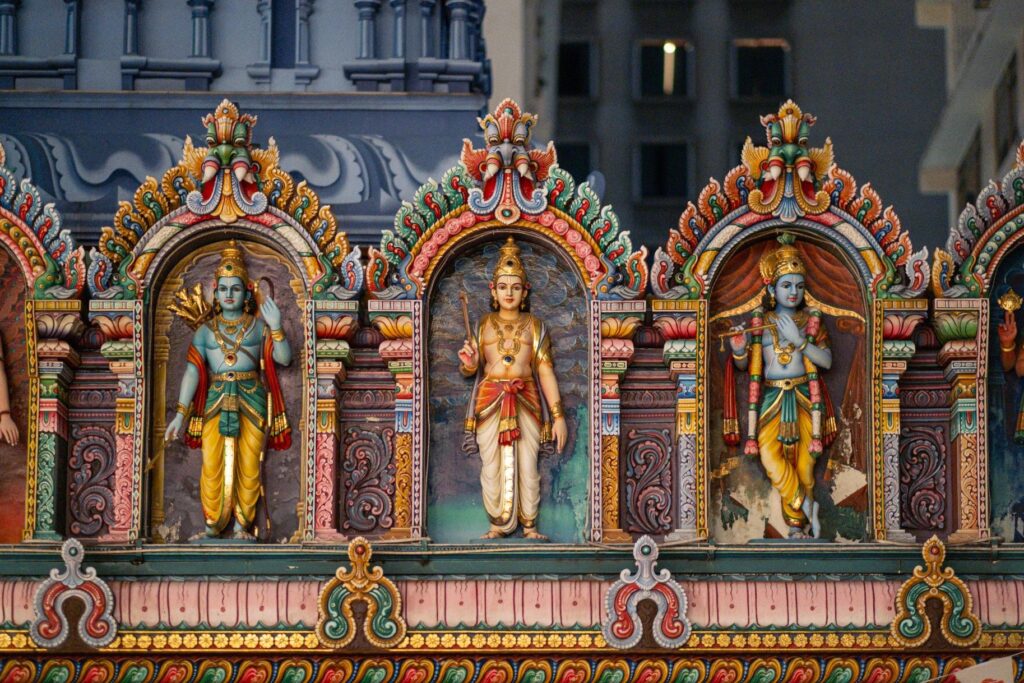
Walk the streets and you’ll see a Taoist temple, mosque, church, and Hindu shrine sharing the same block. This religious harmony is foundational, enshrined through cultural practices that promote respect for the beliefs and rituals of different races and religions.
Interfaith initiatives, like the Inter-Religious Organisation and neighborhood dialogues, foster real conversation, encourage understanding, and counter casual racism. The peaceful respect found in Singapore is all the more remarkable given the rising tensions in other multicultural cities worldwide.
Cultural Heritage in Brick and Stone
The city’s architecture is a living testament to its heritage: from Chinatown’s shophouses to Kampong Glam’s vibrant murals, to Geylang Serai’s market halls and century-old churches. These iconic landmarks reflect Singapore’s rich tapestry and unique blend of traditions, customs, and ambitions.
Official Languages: Multilingual Singapore as a Foundation for Integration
In this melting pot, language is both a bridge and a celebration of difference. Singapore boasts four official languages—English (the main medium in schools and government), Mandarin, Malay (the national language), and Tamil. Most Singaporeans are bilingual, a reflection of education policies designed to strengthen national identity without sacrificing cultural heritage.
Beyond the classroom, Singlish—Singapore’s homegrown blend of vocabulary from the country’s major languages—thrives on social media and in daily life, embodying the quirky, inclusive character of uniquely Singaporean multiculturalism.
Social Conditions: What Residents and Visitors Gain from Singapore’s Diversity
Living in Singapore means daily exposure to different communities, customs, and social harmony. For visitors, it offers a crash course in Asian traditions—with the safety, cleanliness, and efficiency of a first-world city. Families value an environment that fosters cultural curiosity and understanding. International markets, a high percentage of residents with a bachelor’s degree or higher, and world-class schools ensure rich exchanges and opportunities.
The fabric of life here is woven with thread from every corner of the globe. Networking is global, friendships span continents, and innovation comes from a foundation of respect and openness—truly a model for the world.
Racial Harmony Day: Building Unity Through Shared Traditions
Each July, Singapore’s schools mark Racial Harmony Day, a celebration underscoring the country’s commitment to mutual respect, inclusivity, and layered national identity. Children and young adults learn hands-on about the different cultures represented in their daily lives—trying on outfits, exchanging food, and sharing stories about the different customs of their families. This annual event is a reminder that harmony is both taught and lived, feeding into Singapore’s ongoing unity.
Conclusion: Embracing Multiculturalism as Singapore’s Greatest Strength
Singapore’s journey from resource-poor island to first-world marvel is inseparable from its multicultural society. Through policies that reinforce racial and religious harmony, neighborhoods that pulse with ethnic diversity, and daily multicultural events that transcend boundaries, Singapore offers the most welcoming, inspiring, and rewarding multicultural experience in the world.
The future lies in continuing to honor difference while drawing strength from shared ambitions and respect. There’s never been a better time to immerse yourself in Singapore’s harmonious diversity—walk its streets, eavesdrop on its languages, and join its festivals. Singapore’s multiculturalism is not just something you see; it’s something you live.
We invite you to experience the best multicultural destination firsthand, and to let Singapore’s unique story enrich your own.
Frequently Asked Questions (FAQ)
1. Is English widely spoken in Singapore?
Yes, English is one of the four official languages and is the primary language used in schools, government, and business. Virtually all Singaporeans speak English, making it convenient for visitors from anywhere in the world.
2. What is the best way to experience Singapore’s cultural diversity?
Explore the main precincts: Chinatown for traditional Chinese communities, Little India for vibrant Indian culture, Kampong Glam and Geylang Serai for Malay traditions, and international neighborhoods like Holland Village. Don’t miss the hawker stalls to enjoy a multicultural mix of dishes.
3. Is Singapore safe for solo travelers interested in exploring different communities?
Absolutely. Singapore is one of the safest cities worldwide. Low crime rates, efficient public transit, and a strong sense of social harmony make it a worry-free destination for solo or family travel.
4. How does Singapore combat casual racism and promote racial and religious harmony?
Policies from the People’s Action Party, interfaith initiatives, housing integration, racial harmony day, and a focus on cultural education create real unity, not just tolerance. Residents and students are regularly exposed to different traditions and practices.
5. Can I visit the many religious and cultural sites across Singapore?
Yes, most temples, mosques, and churches are open to visitors. Please dress modestly, respect local customs, and take advantage of multicultural events and festivals throughout the year.
Dive into the flavours that define Singapore’s neighbourhoods in Multicultural Dining Singapore: Ethnic Influence on Local Dining. From bustling hawker stalls to cosy family-run eateries, the article shows how food tells the story of the city’s multicultural heritage, connecting people, traditions, and communities one dish at a time.