
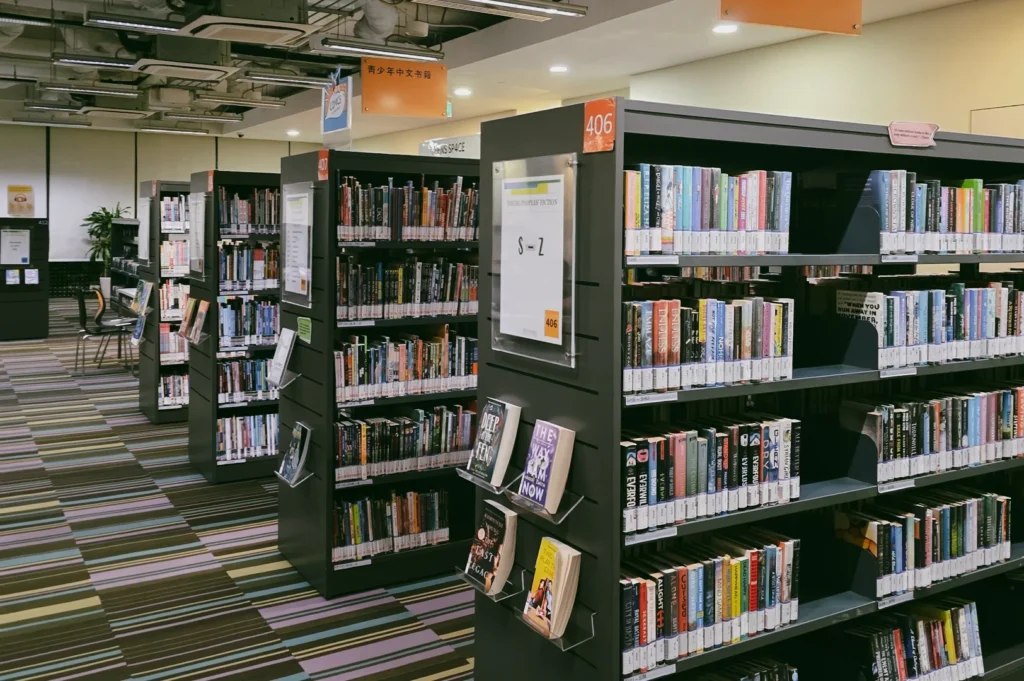
A teenager sits by the large glass window, absently flipping through a thick graphic novel while the afternoon rain washes over the street outside. A few rows away, an elderly uncle carefully folds his daily English newspaper, adjusts his reading glasses, and leans back into a plush armchair.
Over in the children’s section, a group of toddlers sits cross-legged on a bright, colorful rug, completely mesmerized by a librarian holding up a giant picture book. You can hear the soft, muffled hum of their laughter blending with the quiet rustle of turning pages.
Not Just Borrowing, But Belonging
This is a typical afternoon inside a local library. For a long time, we viewed these buildings strictly as silent repositories for books. We visited them with a singular, functional purpose: to find a specific title, check it out, and leave. But if you spend enough time observing these spaces today, you will notice a profound shift.
The modern community libraries Singapore builds are no longer just places to borrow reading material. They have quietly evolved into shared spaces where our communities gather, learn, and connect. They have become the living, breathing heart of our estates.
A Space That Feels Familiar, Yet Always Changing
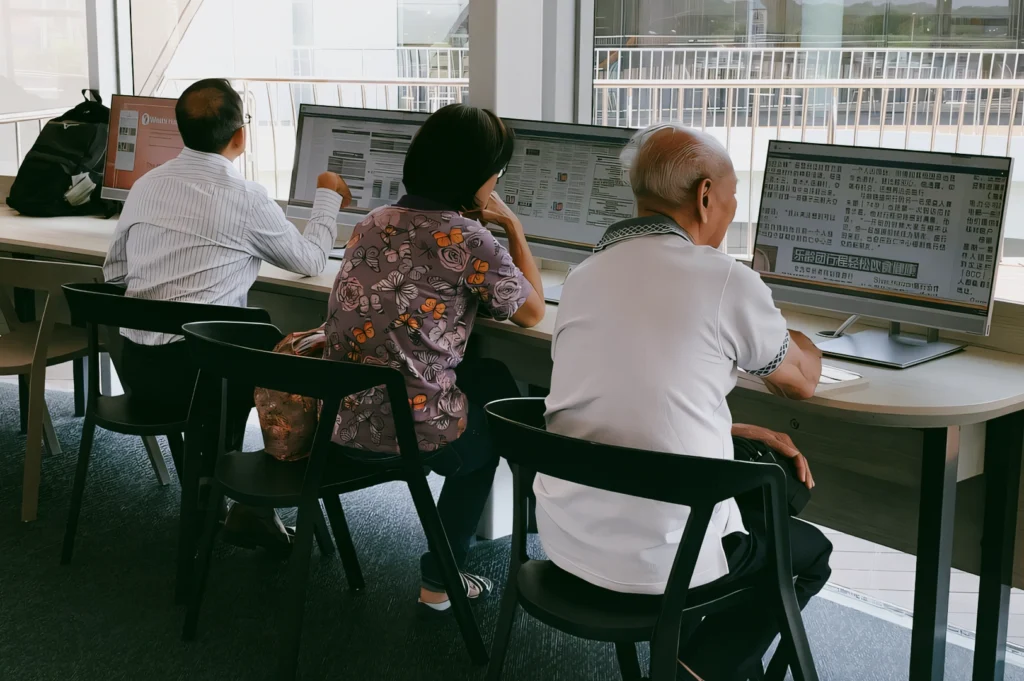
There is a comforting rhythm to the daily life of a library. The space feels incredibly consistent, yet it constantly shifts to accommodate the people who walk through its doors. If you arrive right when the doors open in the morning, you will find a quiet, measured atmosphere.
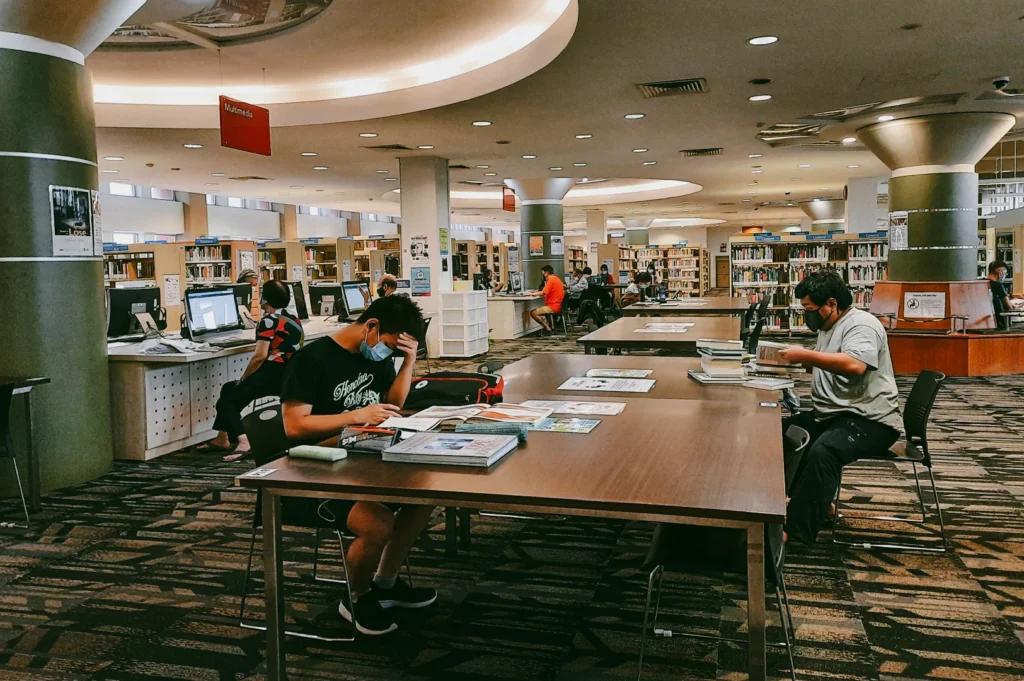
Retirees claim their favorite reading nooks, settling in for a few hours of uninterrupted peace. By mid-afternoon, the energy changes completely. Uniformed students fill the study tables, spreading out their notes and whispering over shared assignments.
The beauty of this environment lies in its natural fluidity. Cultural programming exists organically within this daily rhythm. You do not feel like you are stepping into a rigid institution.
The Library as a Community Ecosystem
Instead, you feel like you are participating in a vibrant community ecosystem. The library molds itself to the needs of the neighborhood, offering a quiet refuge for those who need it, while simultaneously buzzing with shared activity.
The Library as a Shared Neighbourhood Living Room
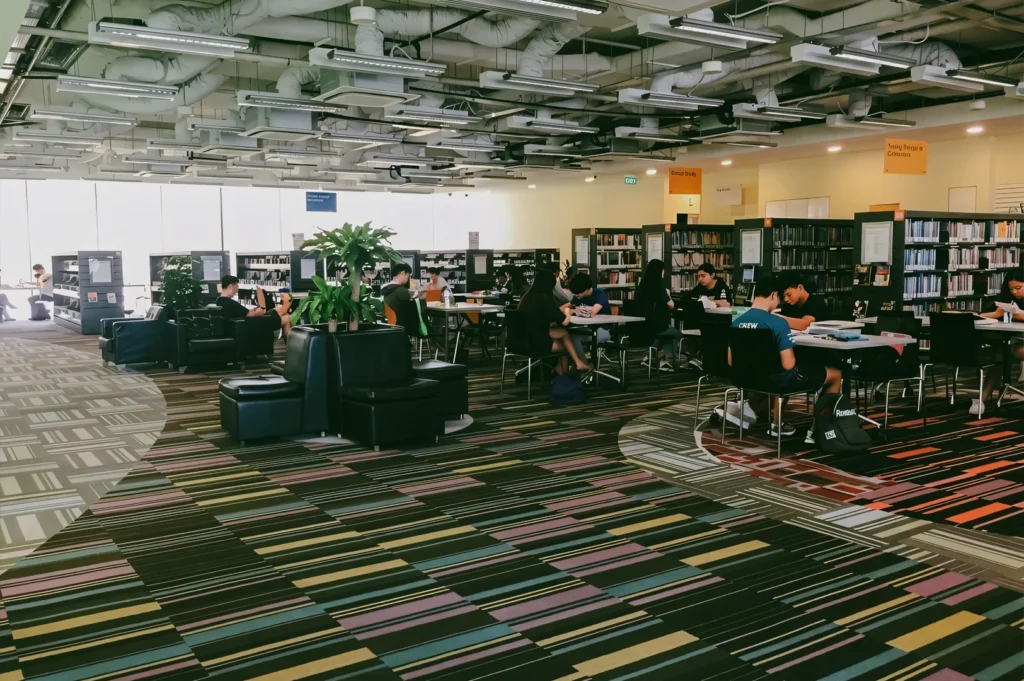
We need to stop thinking of the library as a formal institution and start viewing it as a communal living room. In a dense city where personal space often comes at a premium, these public spaces offer something deeply valuable. They give us room to breathe.
People use the library for so much more than reading. They come here to rest in the cool air-conditioning after a trip to the wet market. They come here to think, staring out the window at the familiar housing blocks across the street.
Being Alone, Together
Sometimes, they come simply to spend time in the comforting presence of others without the pressure to socialize. This shared use of space creates a powerful sense of belonging.
When you sit in the library, you silently acknowledge that you are part of a larger community. You share the space, you respect the quiet, and you participate in the collective life of the estate.
Who You See Matters as Much as What You Do
The true character of a library is shaped entirely by the people who occupy it. When you look around, you see a perfect cross-section of the neighborhood.
You see parents patiently guiding their children through shelves of colorful picture books, building habits that will last a lifetime. You see teenagers huddled over math equations, sharing snacks discreetly from their backpacks. You see elderly regulars who treat the reading lounge as their second home.
These diverse groups rarely interact directly, but their peaceful coexistence is vital. They share the same air, the same lighting, and the same quiet respect for the space. Watching them go about their routines reminds us of the beautiful diversity of our city. The people around you bring movement, warmth, and authenticity to the room.
Cultural Programming That Blends Into Everyday Life
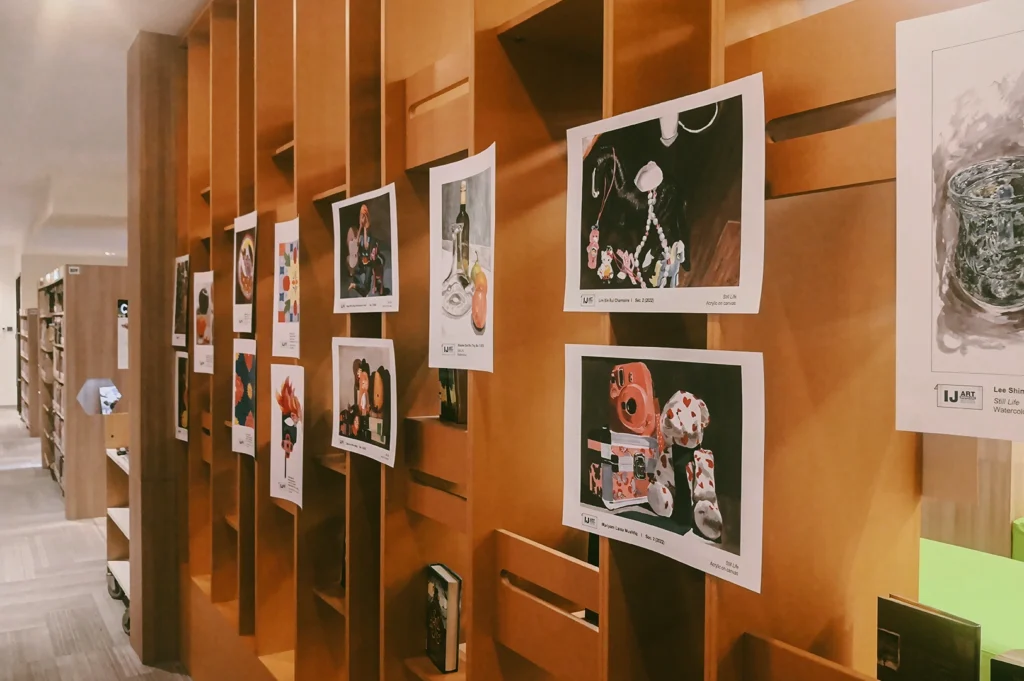
When we hear the phrase “cultural programming,” we often picture formal events held in grand auditoriums. But in our local libraries, culture happens on a much more intimate scale. It is woven seamlessly into the fabric of everyday life.
You might stumble upon a modest exhibition showcasing old photographs of the neighborhood, set up right next to the new arrivals shelf. You might hear the musical cadence of a bilingual storytelling session drifting from the children’s section.
Fostering Spontaneous Connections
These activities encourage spontaneous interaction. A senior citizen might pause to look at a heritage display and strike up a conversation with a passing student. A young family might join a weekend craft session on a whim. These programs help preserve our cultural identity while gently introducing new ideas to the community. They ensure that our heritage remains a living, active part of our daily routines.
Small Moments That Leave Lasting Impressions
The true impact of these spaces is measured in small, quiet moments rather than massive attendance numbers. It is the look of wonder on a child’s face when they hear a folktale told in their mother tongue for the first time. It is the quiet pride of an older resident discovering how to navigate a new app during a weekend tech workshop.
These micro-stories happen every single day. They are subtle, deeply personal, and incredibly powerful. The library provides the fertile ground for these moments to take root. You do not need to attend a major event to feel this impact. You just need to be present and open to the quiet discoveries happening all around you.
Why People Keep Coming Back
We return to our local libraries for the same reasons we return to our favorite neighborhood kopitiams. We seek comfort, routine, and a deep sense of familiarity. The neighbourhood libraries Singapore builds act as emotional anchors for the residents. We know exactly where the latest magazines are kept. We know which armchair offers the best view of the street.
This familiarity breeds a profound sense of ownership. We care about the space because it holds our personal history. It is where we studied for our major exams, where we brought our children for their first books, and where we seek quiet refuge after a long week. The library becomes an inseparable part of our personal neighborhood story.
What the Modern Library Says About Singapore
If you want to understand the values of a society, look closely at its public spaces. Our community libraries reflect the very best of what Singapore strives to be. They are democratic spaces built on the foundations of inclusivity, continuous learning, and mutual respect. They prove that we value intellectual curiosity and community bonding just as much as we value economic progress.
These spaces quietly support the idea that learning does not stop when we leave school. It is a lifelong journey that belongs to everyone, regardless of age or background.
The library stands as a testament to our collective commitment to growing together. It shows that even in a fast-paced, highly modernized metropolis, we still carve out quiet spaces to pause, reflect, and connect with one another.
The Space We Almost Overlook
We often rush through our days, moving quickly from our homes to our workplaces, treating our neighborhoods merely as transit points. But true community life requires us to slow down and share space. The library offers us the perfect excuse to do exactly that. It asks nothing of us other than our presence and our respect for the people around us.
The next time you pass by your neighborhood library, do not just walk past the glass doors. Step inside. Find an empty chair, sit down, and stay a while.
Watch the sunlight shift across the floor. Listen to the quiet hum of pages turning and soft conversations. You might realize it is not just a place for books—but a place where the neighborhood quietly comes together.