You step into the bustling heart of the estate, and the first thing you do is not look at the food. You look at the tables. Your eyes dart past the long queues forming in front of the roasted meat stall, scanning the scattered seating area for an opening. You calculate the trajectory of the ceiling fans, measure the distance from the tray return rack, and avoid the tight corners where the afternoon sun hits the hardest.
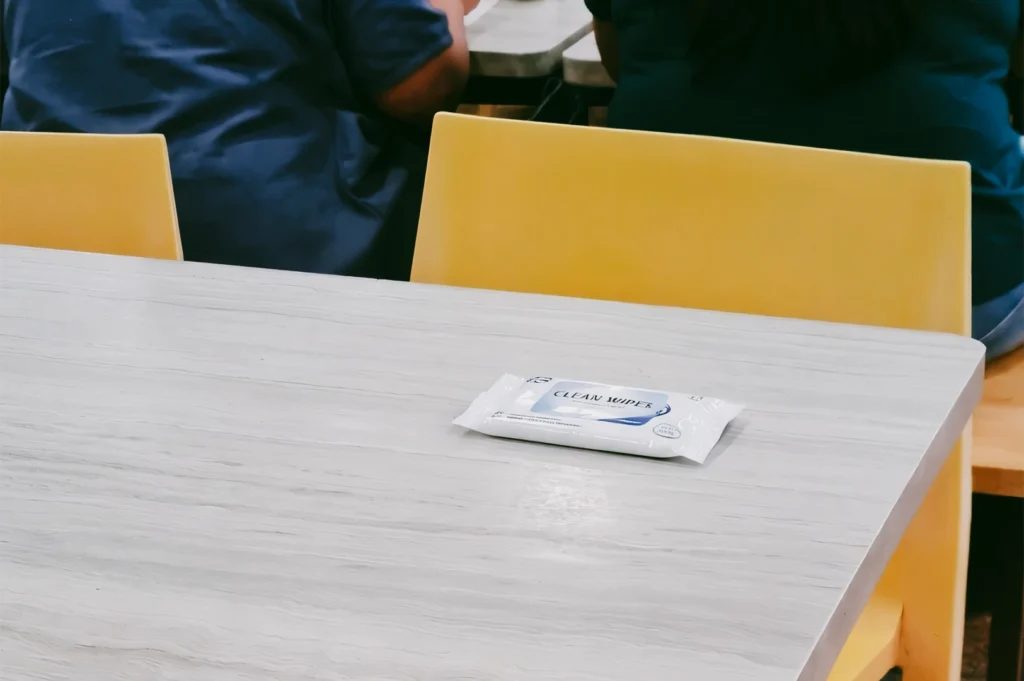
Once you spot a recently vacated table, you walk swiftly toward it. A solitary packet of tissue paper lands on the damp tabletop. The space is yours.
We often talk about the food when we discuss our local culinary heritage, but the actual hawker centre dining experience begins long before the first bite. The physical space we inhabit changes everything. The layout of the tables, the flow of the air, and the volume of the ambient noise dictate how we eat, how long we stay, and how we interact with the people sitting next to us. The quiet influence of hawker centre spaces shapes the very soul of our daily meals.
Before the First Bite: The Unspoken Ritual of Finding a Seat
Finding a seat is an instinctual dance that every resident knows by heart. We navigate the maze of tables with practiced ease, dodging aunties pushing cleaning carts and office workers balancing trays of hot soup. This ritual of securing space anchors the entire hawker culture singapore. It forces us to engage with our environment on a deeply physical level.
When we chope a table, we claim a temporary home amidst the chaos. The seat you choose dictates the mood of your meal. Sitting right next to the wok station means your lunch will be fast, loud, and smoky. Retreating to a quiet corner near the edge of the pavilion offers a slower, more isolated break. We make these spatial choices subconsciously, but they define how we experience the neighborhood that day.
Open vs. Enclosed Spaces
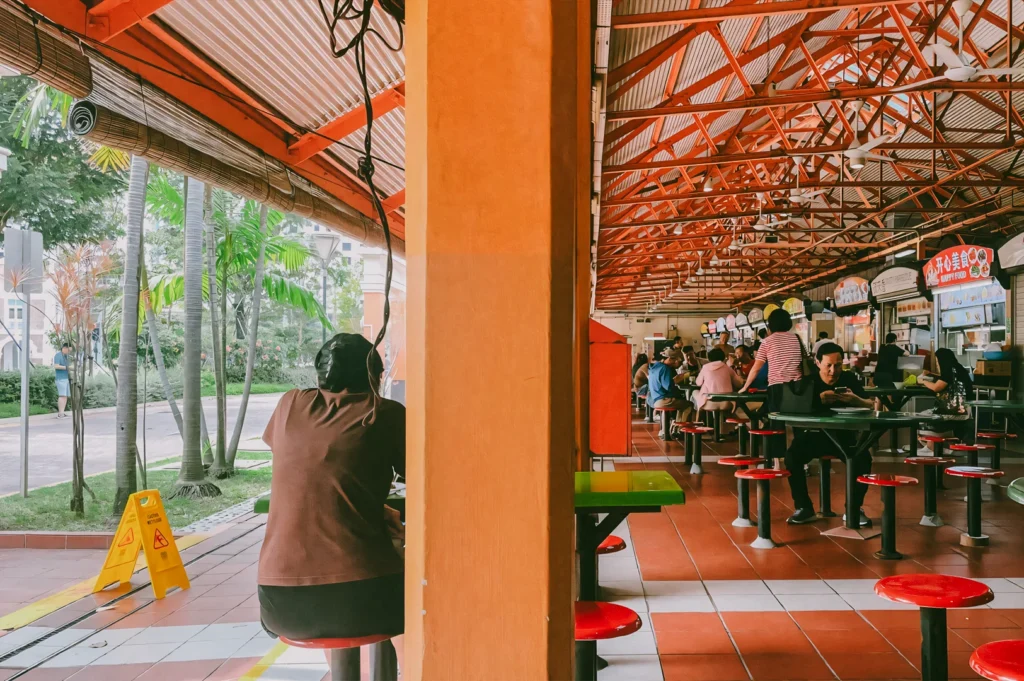
The atmosphere shifts dramatically depending on the basic structure of the building. Older, open-air centres feature high, slanted roofs that allow the natural breeze to sweep through the aisles. The boundaries between the street and the dining area blur. You hear the traffic passing by, and you feel the humidity of the tropical afternoon settling over the tables. These open spaces feel wilder and more connected to the pulse of the estate.
In contrast, newer or recently renovated enclosed food centres feel much more contained. The air feels stiller, managed by massive industrial fans. The geometry of the aisles is stricter. You do not feel the elements as strongly here, which changes the mood from a rugged street experience to a structured community gathering. Neither is inherently better, but each offers a distinctly different emotional backdrop to your bowl of fishball noodles.
The Flow of Movement and Conversation
The way we move through a food centre is entirely dictated by its layout. Narrow aisles force people to brush past one another, creating a sense of urgency and density. When the walkways are tight, diners tend to eat faster. They feel the unspoken pressure of the crowd pressing in around them. Wide walkways, on the other hand, invite a slower pace. People stop to chat with neighbors they bump into. The space gives them permission to linger.
This flow of movement heavily impacts how we interact with strangers. When the seating is densely packed, we become hyper-aware of our neighbors. We listen to fragments of their conversations and watch them pour dark soy sauce over their eggs. The physical proximity breaks down the usual invisible walls we build around ourselves in the city.
Tables as Social Boundaries (or Invitations)
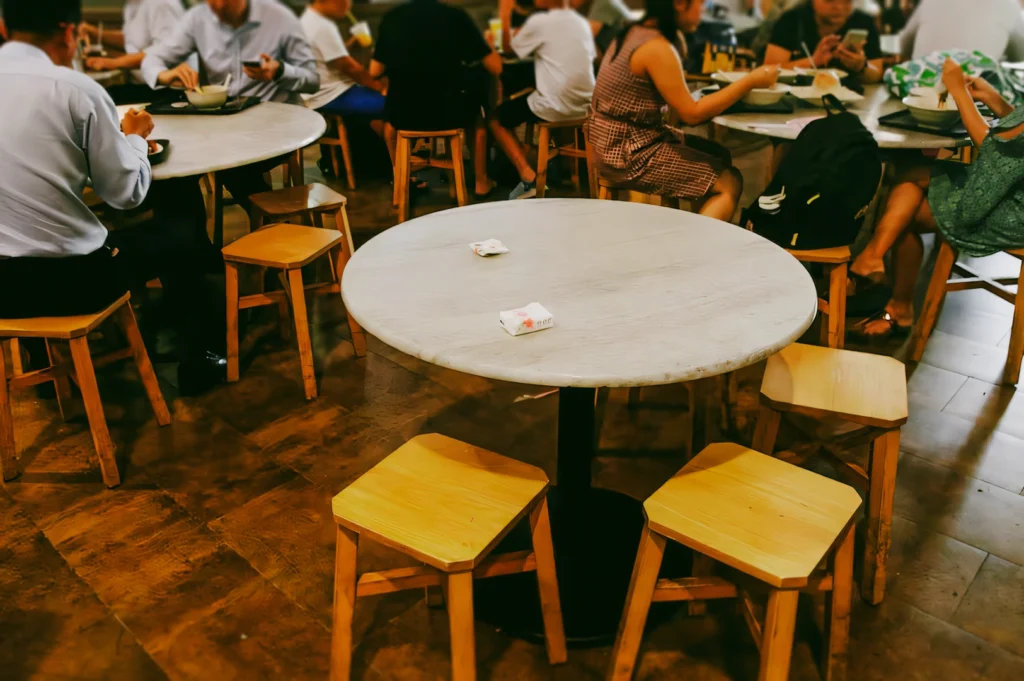
The shape and arrangement of the furniture act as silent social directors. Large, round tables naturally invite communal sharing. Even if you sit down alone, a round table feels like an open invitation. Soon enough, an elderly man carrying a cup of tea will ask to share the space. You will sit across from each other, eating in a comfortable, shared silence.
Long, rectangular tables function differently. They create distinct borders. People sit side-by-side, carefully keeping their trays within their invisible property lines. Small, isolated tables tucked against pillars offer rare moments of absolute privacy in a public arena. The simple choice of table shape fundamentally alters the social dynamic of the meal, turning a solitary lunch into a shared community event or a private retreat.
Light, Noise, and the Feeling of the Space
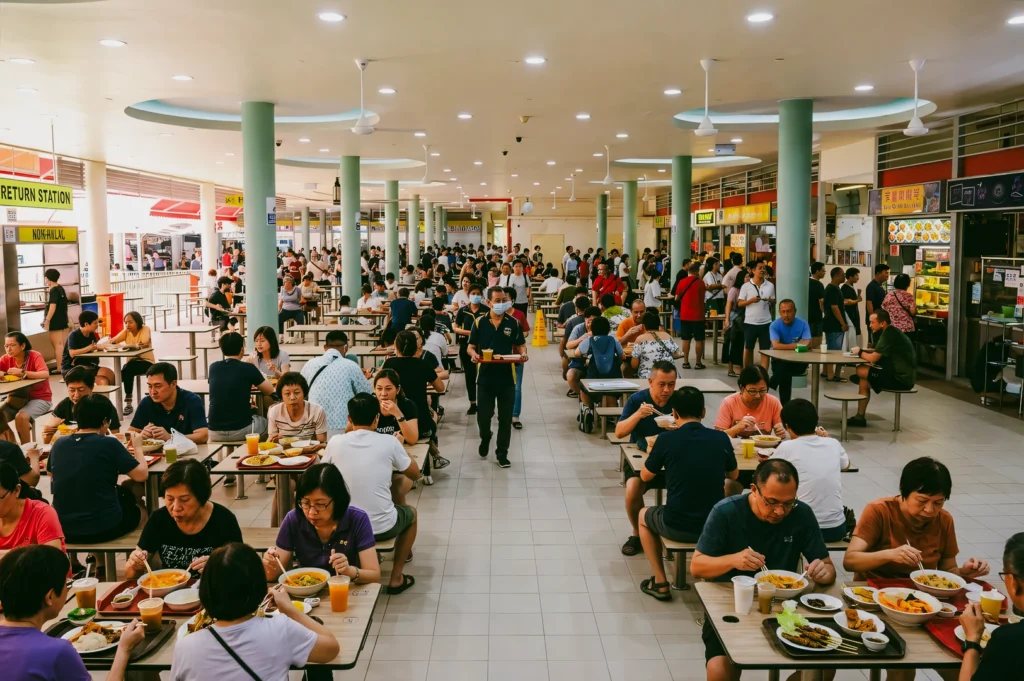
Beyond the physical layout, the sensory elements of a hawker centre hold immense power over our emotions. Light and noise act as the invisible architecture of the space. In the harsh, unfiltered light of midday, the hawker centre feels like a machine operating at maximum capacity.
The colors of the plastic bowls and the neon stall signs clash brightly. The noise is a sharp, echoing wall of clattering plates, shouting orders, and scraping chairs. It is an energizing, sometimes overwhelming, sensory assault.
As the day turns into evening, the feeling of the space completely transforms. The harsh sunlight fades, replaced by the soft, warm glow of fluorescent tubes. The noise level drops from a frantic roar to a low, steady hum of comfortable chatter. The intense heat of the day lifts. In this evening light, the exact same concrete pavilion feels softer, more forgiving, and infinitely more intimate.
More Than Structure: Why Space Shapes Culture
When we analyze hawker centre design Singapore, we often focus on the practicalities. We look at the drainage systems, the exhaust fans, and the fire safety layouts. While these elements are crucial, they miss the broader point. **Architecture is fundamentally a social tool.** The physical structure of a hawker centre dictates the limits of our social openness.
The low barriers between tables, the shared public sinks, and the communal tray return points force us into a state of continuous, quiet cooperation. We cannot hide from our neighbors here. We must navigate around them, share space with them, and acknowledge their presence.
This forced proximity builds the foundation of our community bonding. The space acts as an active, vital participant in our food culture. It shapes the speed at which we consume our meals and the way we view the people sharing our city.
Conclusion
We spend countless hours inside these concrete pavilions, yet we rarely pause to appreciate the profound impact they have on our daily lives. We focus so intensely on the bowl of noodles placed in front of us that we forget to look at the table holding it up. The hawker experience is crafted long before the hawker even turns on the stove. It is crafted by the layout of the tiles, the angle of the ceiling, and the volume of the crowd.
Next time you step into a hawker centre, pause before you walk to your favorite stall. Look around at the architecture. Notice how the light hits the floor and how the tables guide the flow of the crowd. Choose your space carefully, and notice how that simple choice changes everything that follows.