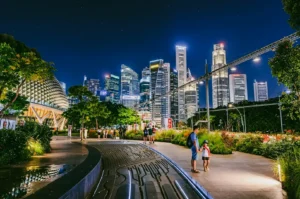
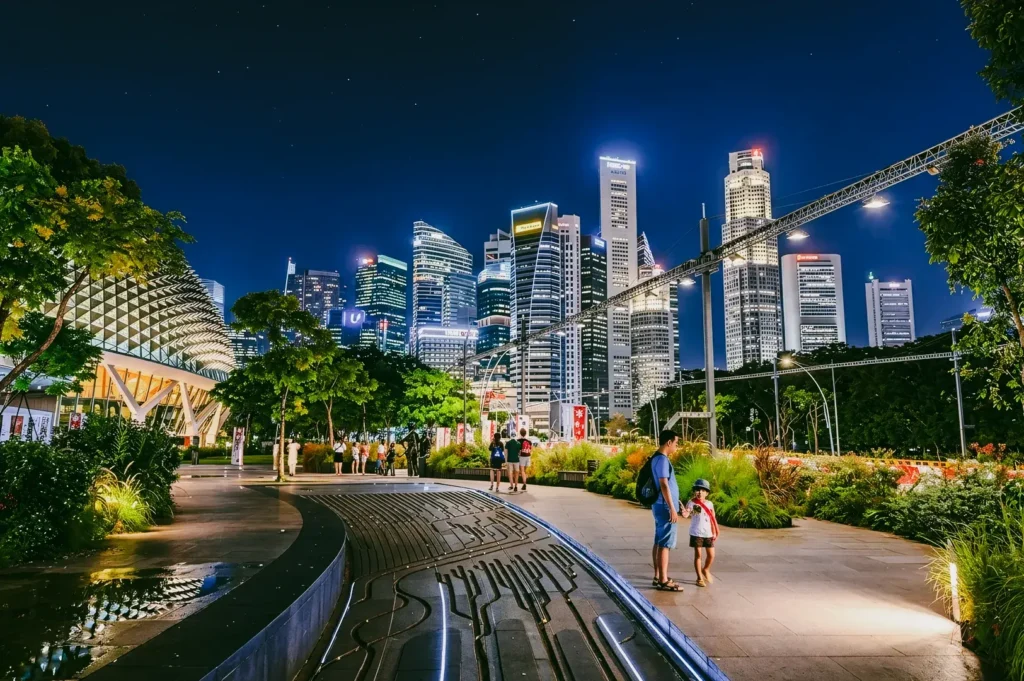
As evening cools the city, neighbourhood parks in Singapore come alive with children playing, elders gathering, and families connecting. These everyday scenes, repeated across the island, reveal how public spaces quietly weave the social fabric of our city. Far beyond mere infrastructure, these spaces shape how neighbours meet, trust, and feel connected to their homes.
Singapore’s neighbourhood park system is thoughtfully designed to provide accessible green spaces that cater to diverse community needs, incorporating features like nature-themed playgrounds, fitness stations, and therapeutic gardens.
These parks not only promote physical activity and mental well-being but also serve as vibrant hubs for social interaction, fostering a strong sense of belonging among residents.
Neighbourhood Park Singapore: Community Spaces at Our Doorstep
In a dense city where private yards are rare, neighbourhood parks and green spaces serve as essential extensions of our homes. Singapore’s well-designed public spaces include nature-themed playgrounds, fitness stations, therapeutic gardens, and community gardens where residents of all ages gather, exercise, and socialize. These spaces are easily accessible, with 8 in 10 households just a 10-minute walk from tranquil green spaces, sports facilities, and lively social hubs.
Residents use these parks for running, yoga, inline skating, and casual gatherings, making them vibrant community centres. Thoughtful planning ensures these parks offer different types of recreational opportunities, with shaded areas to protect visitors from the sun and scenic spots along rivers and green corridors, especially in the south, enhancing the overall experience with natural details that invite fun and relaxation.
Singapore Botanic Gardens and Bay East Garden: Iconic Green Spaces
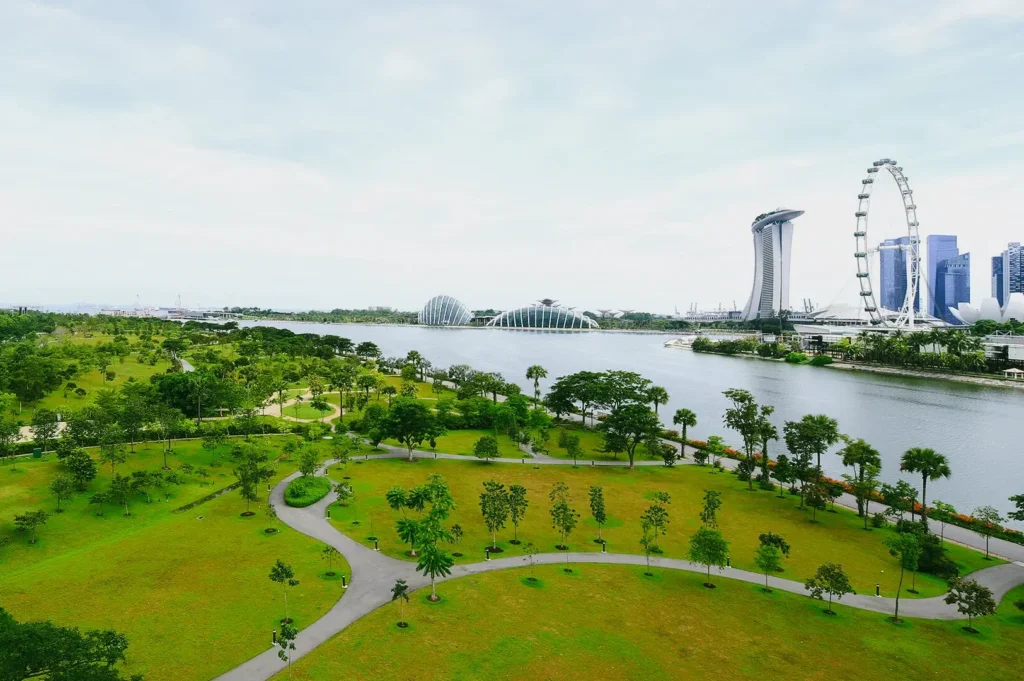
The Singapore Botanic Gardens, a UNESCO World Heritage Site, offers a sanctuary of biodiversity and therapeutic garden landscapes. Visitors enjoy walking trails, themed gardens, and open lawns perfect for picnics or quiet reflection. Nearby, Bay East Garden at Gardens by the Bay features expansive open spaces with sweeping views of Marina Bay and the city skyline.
Its family-friendly facilities include playgrounds and water features, blending nature, recreation, and community interaction in the central area.
East Coast Park and West Coast Park: Recreational Havens by the Sea
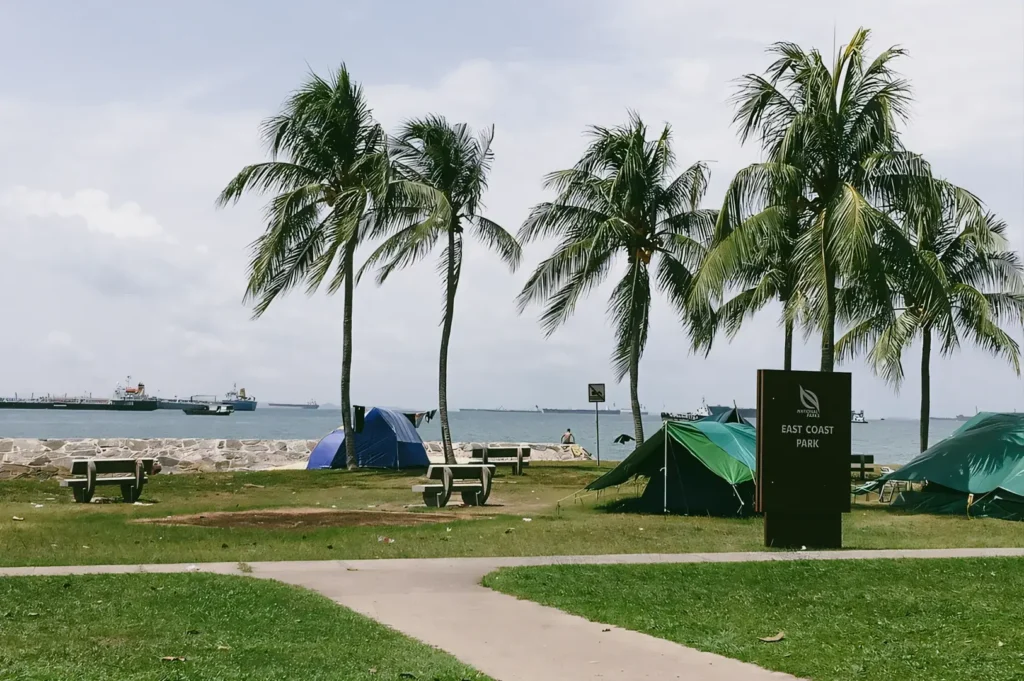
East Coast Park, Singapore’s premier southern coastal park, boasts 15 km of cycling and skating paths, beaches, picnic spots, and water sports facilities. It is a favourite for families and fitness enthusiasts seeking outdoor activities by the sea.
West Coast Park on the island’s west offers large adventure playgrounds, open fields, and scenic sea breezes, inviting residents to play, stroll, and relax. Both parks connect to the extensive park connector network, encouraging exploration and active lifestyles.
Public Spaces in Housing Estates: Creating Delightful Public Spaces
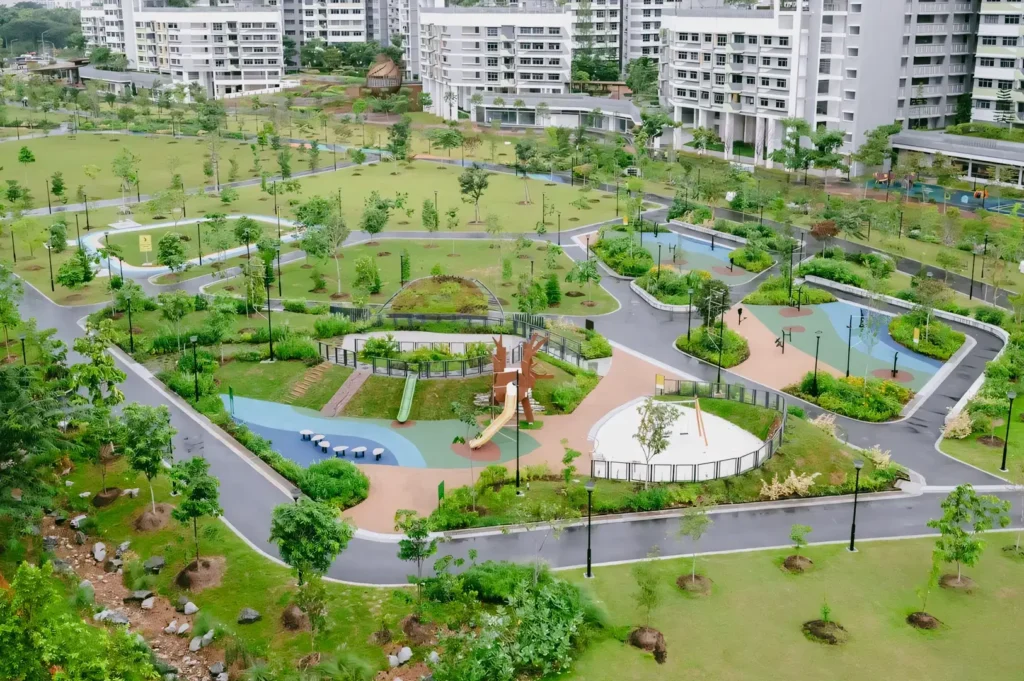
The Urban Redevelopment Authority and building owners champion the creation of well-designed public spaces within housing estates to foster community bonds. Tampines Boulevard Park exemplifies this with stroller- and bicycle-friendly paths, sand play areas, and a nature playgarden in its east section, catering to residents of different ages and abilities.
The introduction of the Privately Owned Public Space (POPS) Design Guidelines in 2017 encourages developers to create accessible, inviting community spaces. These well-designed public spaces host workshops, events, and recreational activities, enriching neighbourhood life.
Nature Reserves, Trails, and Therapeutic Gardens: Green Spaces for Wellness
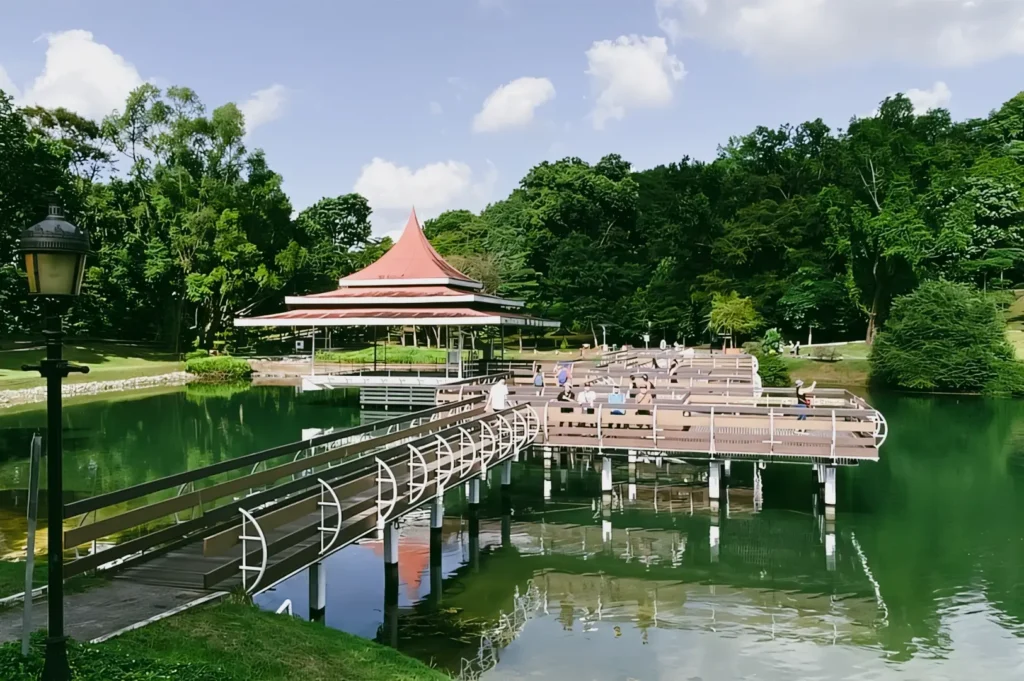
Singapore’s park connector network links green spaces and walking trails that invite residents to explore nature daily. MacRitchie Reservoir Park and the Central Catchment Nature Reserve offer hiking and wildlife encounters, while therapeutic gardens like those at Hort Park provide peaceful spots for mental and physical wellness.
Plans to add 12 more therapeutic gardens by 2030 show Singapore’s commitment to integrating nature into urban living.
Fort Canning Park and Pulau Ubin: Heritage and Nature in the City
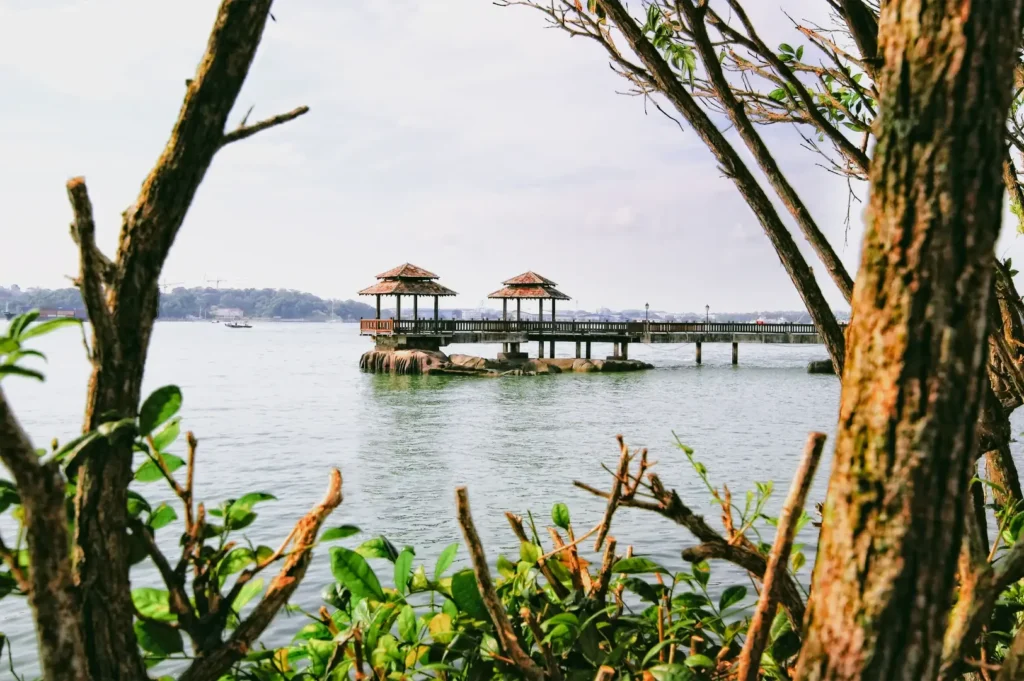
Fort Canning Park in the central area blends lush greenery with rich heritage. Its sensory gardens, butterfly habitats, and therapeutic landscapes create a great place for relaxation and community events.
Pulau Ubin, to the north-east, offers a rustic escape with hiking trails, camping sites, and beaches, showcasing Singapore’s natural side beyond the city. Both spots highlight the balance between urban life and nature preservation.
Adding Imaginative Artworks and Creative Hoardings: Enlivening Public Spaces
To further enliven public spaces, the Urban Redevelopment Authority encourages adding imaginative artworks and creative construction hoardings on sidewalks and development sites. These art galleries in the city transform ordinary barriers into vibrant cultural experiences, enriching the urban landscape.
Such initiatives, combined with accessible facilities and rooftop gardens, create delightful public spaces that engage residents and visitors alike.
Conclusion: The Quiet Power of Singapore’s Public Spaces
Singapore’s public spaces may seem ordinary, but they are the foundation of community life. From neighbourhood parks to iconic gardens, from housing estates to coastal parks, these spaces invite us to slow down, connect, and discover the city’s shared stories. By creating accessible, well-designed green spaces and integrating arts and wellness, Singapore nurtures a sense of belonging and quality time for all ages. Next time you visit a neighbourhood park Singapore offers, take a moment to truly experience the spaces between us—where community quietly thrives.
These public spaces are thoughtfully planned to accommodate diverse activities and interests. Neighbourhood parks often feature nature-themed playgrounds, fitness stations, and therapeutic gardens.
Singapore’s neighbourhood park system is thoughtfully designed to provide accessible green spaces that cater to diverse community needs, incorporating features like nature-themed playgrounds, fitness stations, and therapeutic gardens. Many of these spaces have become deeply embedded in everyday family life, as seen in this article on Singapore’s best green spaces for families.
Connecting Green Spaces and Enriching Community Life
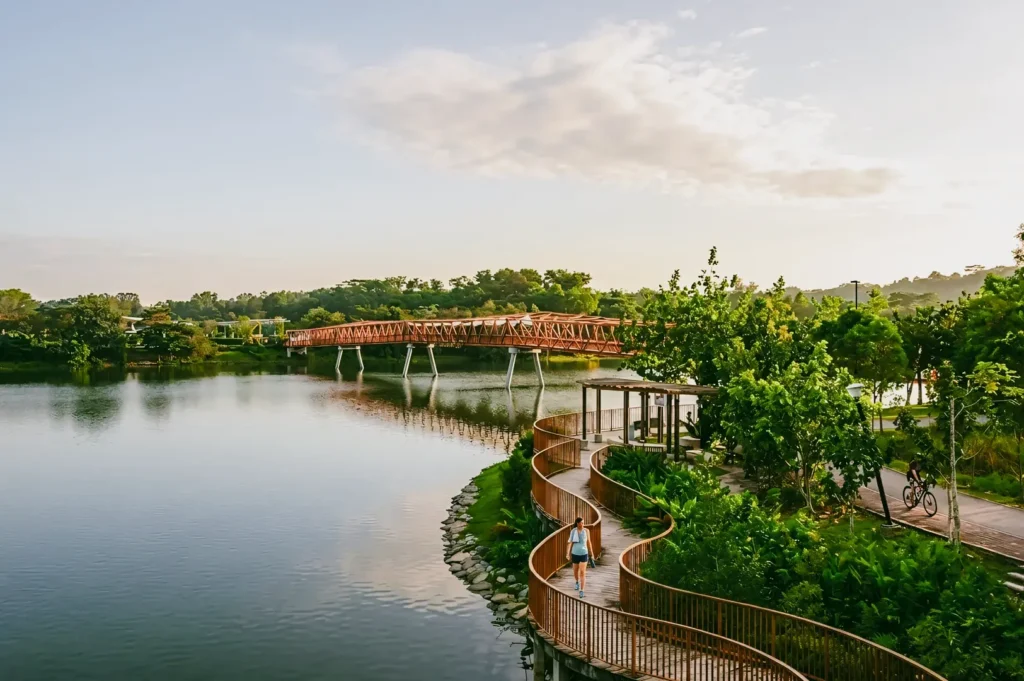
Moreover, Singapore’s commitment to connecting green spaces through an extensive park connector network enhances accessibility and encourages exploration. Trails like the Round Island Route, which spans 150 kilometres and is half completed, link parks, nature reserves, and recreational nodes across the island, fostering community interaction and a deeper appreciation for nature.
Art and culture also play a vital role in enlivening these spaces. Creative hoardings and public artworks transform everyday environments into engaging urban galleries, inviting residents and visitors to experience the city’s vibrant cultural scene. The Privately Owned Public Space (POPS) Design Guidelines further encourage developers to incorporate inviting and functional public areas within private developments, expanding opportunities for social bonding.
In essence, Singapore’s neighbourhood parks and public spaces are more than just green patches; they are dynamic venues where people of all ages come together to relax, play, and build lasting connections. These shared spaces quietly shape a city that values inclusivity, wellness, and community spirit, making Singapore not only liveable but truly lovable.
At Neighbourhood Life, we often find ourselves drawn back to these ordinary shared spaces — not because they are spectacular, but because they quietly reveal how neighbourhood life actually works. A park bench, a basketball court, or a small community garden can tell us far more about a place than any skyline ever could. These are the spaces where routines overlap, where familiar faces slowly emerge, and where a city begins to feel less anonymous and more human.