The scent of sandalwood incense mingles with the hum of digital donations at temples, while traditional bakeries share spaces with modern coffee roasters in Chinatown. These everyday scenes illustrate the dynamic nature of singapore chinese culture—a heritage that thrives not as a relic but as a living, evolving practice shaped by singapore’s multicultural society and a rich history of immigration and colonial rule.
Traditionally, chinese men have played key roles in maintaining cultural practices and businesses, creating strong community bonds.
This unique culture also opens business opportunities that blend heritage with modern commerce, reflecting singapore’s position as a vibrant country in the world. For example, local festivals and games often incorporate traditional chinese words and speech, showcasing the character of the community. Generally, singapore chinese culture prefers to preserve meaningful customs while adapting to new requests from younger generations, ensuring that money spent supports both tradition and innovation.
Singapore Chinese Culture: Tradition in Everyday Life
Despite rapid modernization, traditional chinese culture remains deeply rooted in the lives of singaporean citizens. The chinese community, comprising approximately 76% of the population, maintains strong ties to their heritage through clan associations, family rituals, and language.
Early immigrants primarily came from southern china provinces like Fujian and Guangdong, bringing dialects such as Hokkien, Teochew, Cantonese, Hakka, and Hainanese, which continue to influence local chinese culture.
Traditional practices, such as ancestor altars in high-rise apartments and visits to herbal medicine halls, coexist with modern urban life. Clothing customs, including hanfu and qipao, appear during formal occasions, preserving chinese form and identity. The core values of filial piety, respect for elders, and community support endure, anchoring the community’s sense of belonging.
Younger Generations: Reinterpreting Chinese Culture
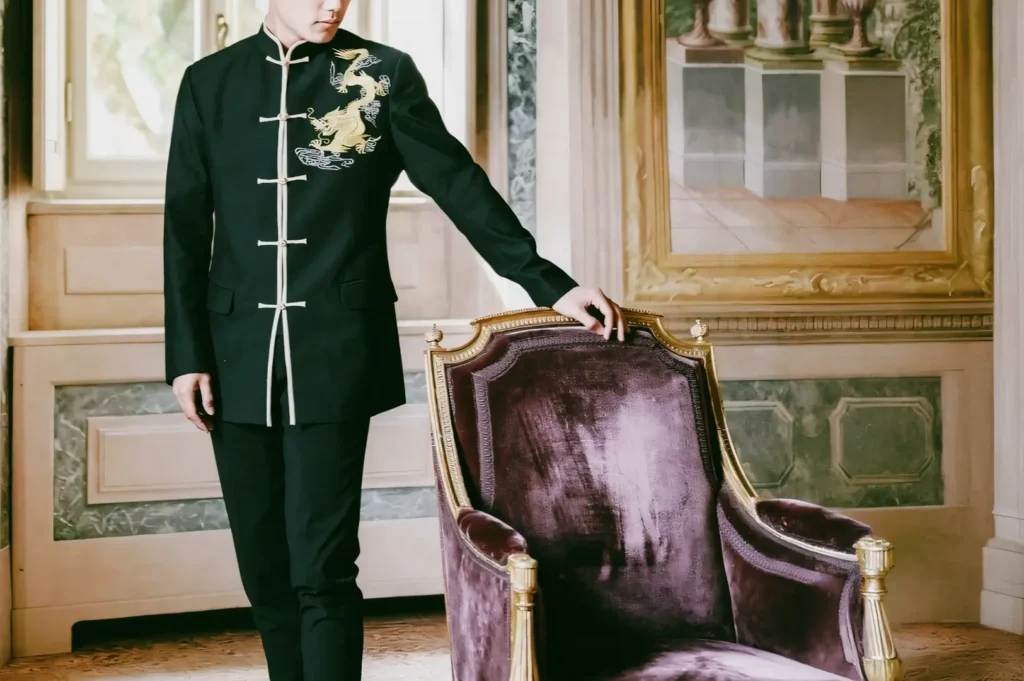
Contrary to assumptions that younger generations abandon tradition, they reinterpret it to fit contemporary lifestyles. The government’s bilingual policy and the Speak Mandarin Campaign, launched in 1979, promote mandarin as the mother tongue, uniting diverse dialect groups and linking singapore chinese to broader chinese culture china.
Modern wedding ceremonies blend traditional tea rituals with streamlined formats, while digital red packets complement physical ones during new year celebrations. Contemporary fashion sees female qipaos and modified changshans worn beyond formal occasions, reflecting a fusion of heritage and modern convenience. Younger singapore chinese actively reshape their cultural identity, balancing respect for customs with evolving preferences.
Language and Identity: The Shifting Soundscape
Language plays a crucial role in preserving singapore chinese culture. Mandarin serves as the official language in schools and government, yet older generations often speak dialects at home, maintaining a linguistic bridge to ancestral roots. The revival of dialect classes and media content underlines community efforts to preserve these mother tongues. This linguistic diversity enriches singapore’s multicultural fabric and fosters intergenerational connection.
Food: A Living Bridge Between Past and Present
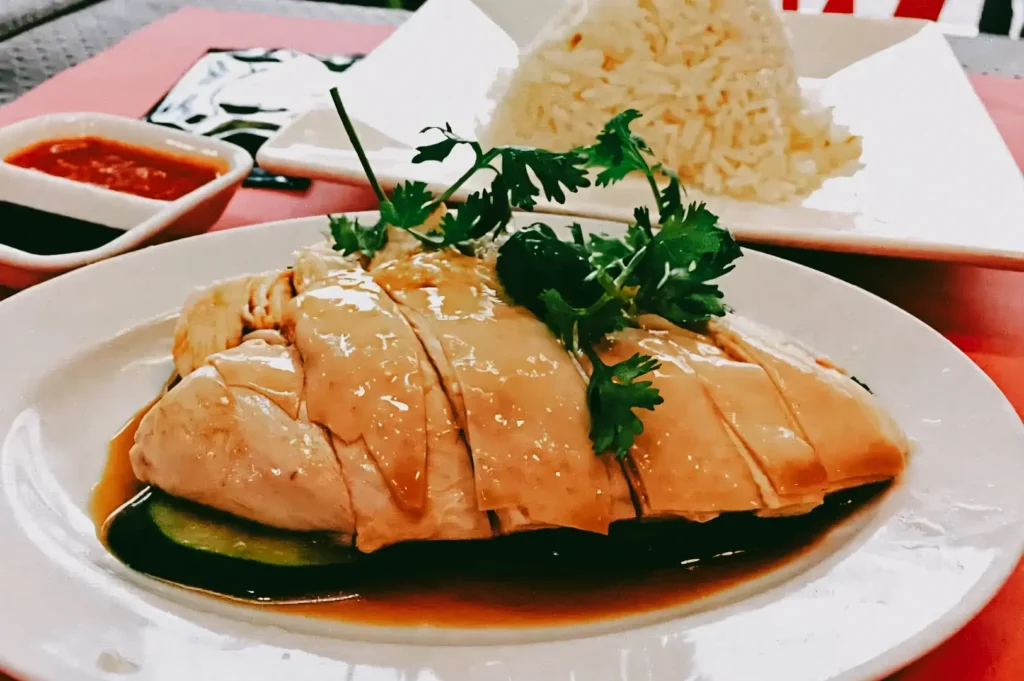
Food embodies the intersection of heritage and modern life. Singapore’s local cuisine, influenced by various ethnic groups, features iconic dishes like hainanese chicken rice and hokkien mee, reflecting chinese culinary traditions and adaptations. Traditional festival foods—such as glutinous rice dumplings during the dragon boat festival and yusheng during chinese new year—connect ordinary people to their cultural past.
Contemporary chefs and home cooks innovate by documenting heritage recipes with precise measurements and incorporating sustainable ingredients, ensuring traditional flavors remain relevant. Food thus plays an important role in preserving singapore chinese culture while embracing modern tastes.
Tea culture continues to hold a quiet but enduring presence within these evolving food traditions. Across the city, traditional and contemporary singapore tea houses offer spaces where rituals surrounding oolong, pu-erh, and jasmine tea remain part of everyday social life. Some retain the atmosphere of old-world gathering spaces, while others reinterpret tea appreciation through modern interiors and curated tasting experiences, reflecting how heritage practices continue adapting to contemporary Singapore.
Evolving Spaces: Tradition Amid Urban Change
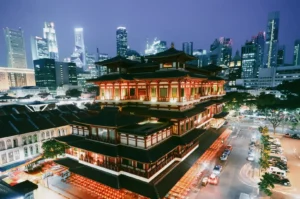
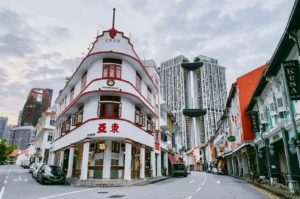
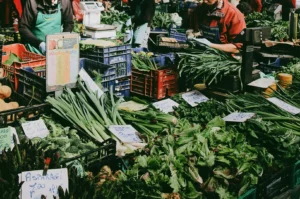
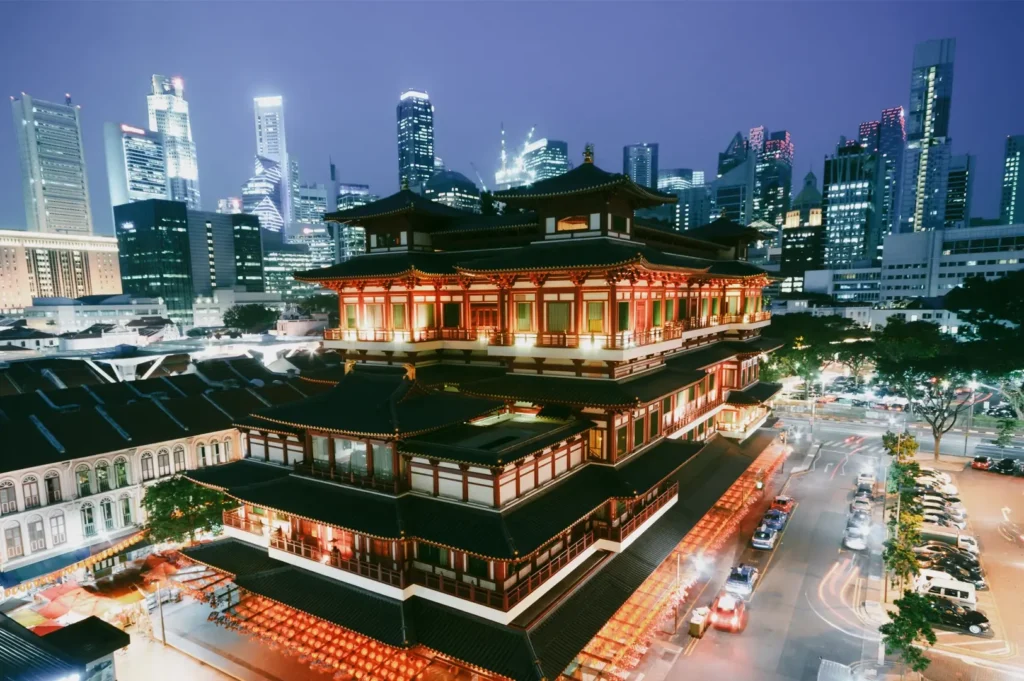
Singapore’s cultural precincts, from historic temples to wet markets, balance conservation with contemporary needs. Chinatown’s blend of traditional shops and modern cafes exemplifies this dynamic. Clan associations continue to serve as community hubs, organizing classes and events that encourage cultural preservation.
Temples modernize facilities to improve accessibility while retaining architectural heritage. Public programs and group tours, often with free admission, invite citizens and visitors to engage with singapore chinese culture, fostering appreciation and participation across ethnic groups.
Spiritual Values and Festivals: Continuity and Adaptation
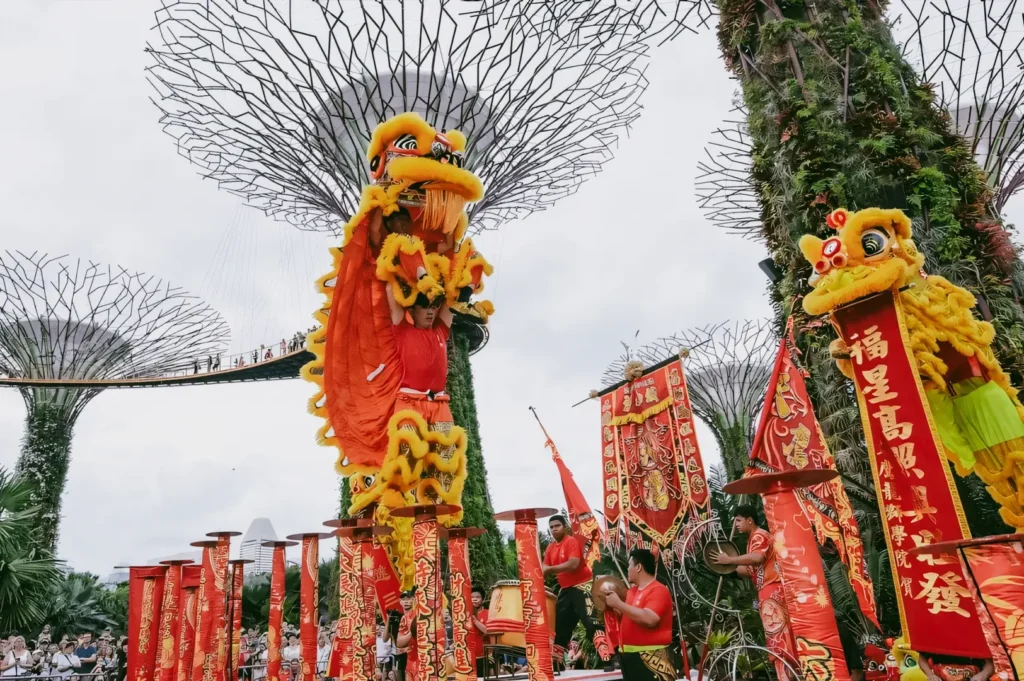
Buddhism, taoism, and confucianism remain integral to singapore’s chinese community, influencing daily life and festivals. Celebrations like the hungry ghost festival and chinese new year emphasize family unity and filial piety, reinforcing shared values. The government recognizes these traditions as cultural anchors, supporting heritage preservation initiatives.
Digital technology reshapes festival participation through livestreamed rituals and virtual events, adapting customs to urban living. New immigrants from the people’s republic contribute fresh perspectives, enriching spiritual practices and expanding community ties. Leadership, including the prime minister, underscores the importance of preserving these values as foundational to singapore’s multicultural society.
Preserving Heritage: What Endures and What Evolves
Cultural preservation focuses on traditions that foster emotional resonance and community cohesion. Reunion dinners, ancestor veneration, and major festivals remain vital, while labor-intensive rituals simplify to suit modern life and sufficient income needs. This balance ensures that heritage remains meaningful and accessible to ordinary people.
Economic shifts and urbanization influence which customs persist, with family, education, and community playing key roles in passing down core values. Singapore’s chinese culture thrives by distilling tradition into adaptable practices that resonate in contemporary society.
Why Singapore Chinese Culture Matters Today
In a globalized city, singapore chinese culture provides identity and belonging. The term ‘SINGAPO人’ captures the unique blend of chinese heritage and multicultural influences shaping singaporean citizens. Participating in shared customs builds intergenerational bonds and community continuity, offering a familiar rhythm amid fast-paced urban life.
Visit the Singapore Chinese Cultural Centre: Free Admission and More
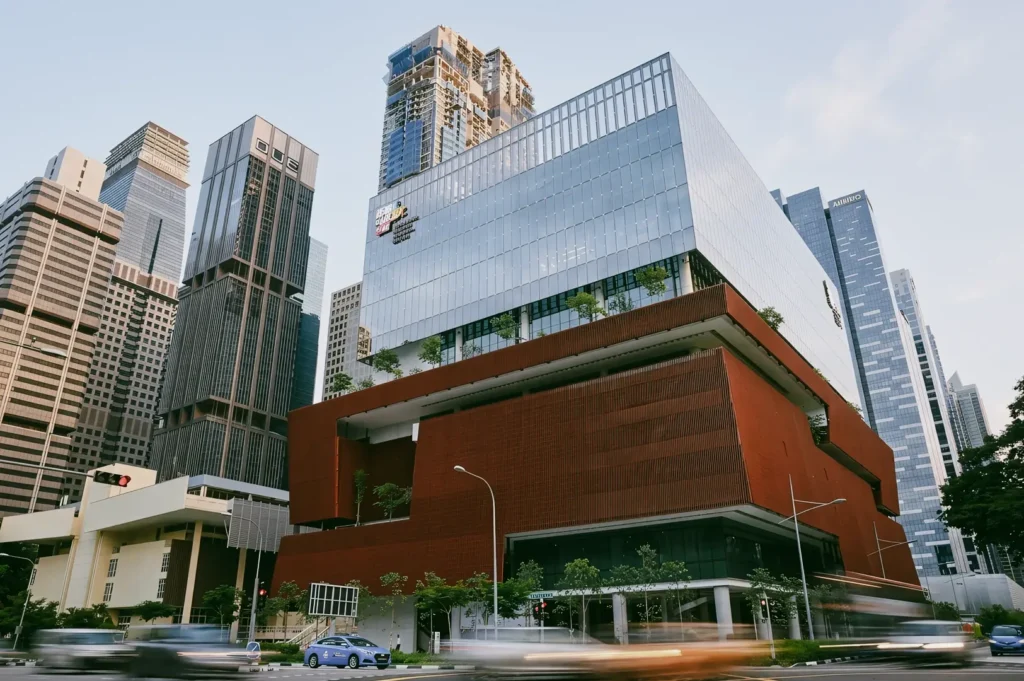
The Singapore Chinese Cultural Centre plays an important role in preserving and promoting local chinese culture. Visitors can explore exhibitions on calligraphy, arts, and the evolution of the written language, with free admission encouraging public engagement. The centre embodies the government’s commitment to nurturing heritage and fostering cultural understanding.
Conclusion: A Living Tradition in Singapore and Beyond
Singapore chinese culture is a vibrant, evolving tapestry woven from centuries of customs, migration, and adaptation. Influences from beijing and the people’s republic shape its ongoing development, while local communities actively preserve and reinterpret their heritage.
Chinese art forms such as calligraphy (shūfǎ), painting, and traditional crafts continue to express cultural identity, alongside enduring symbols like dragons and the fenghuang. Major festivals, rooted in a long history, unite ethnic groups across the nation.
As singaporean life changes, these traditions remain relevant by evolving with the times, sustained by ordinary people who practice and pass them on. Engaging with this heritage ensures it continues to enrich singapore’s multicultural society and connects citizens to their shared past and promising future.