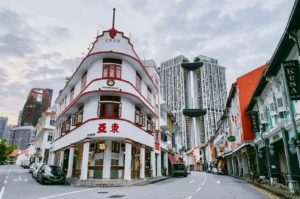
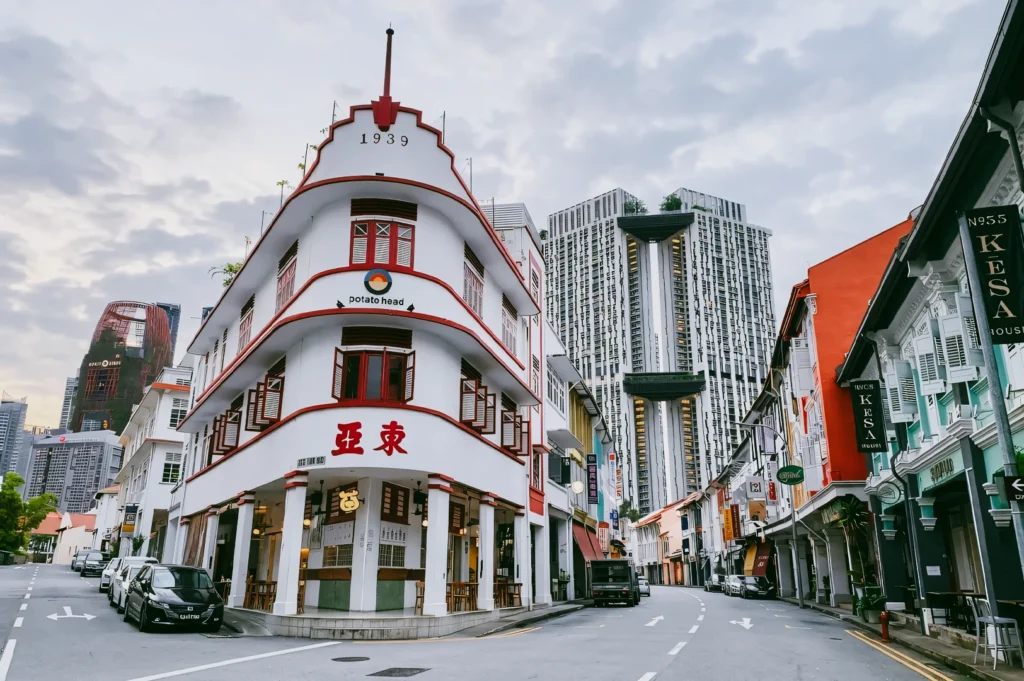
The morning light always feels different when it falls across a row of old shophouses. If you stand at the corner of Keong Saik Road just after dawn, before the heavy heat of the day takes over, you can watch the street slowly wake up. A wooden door groans open, and an uncle steps out to sweep the five-foot way, his broom moving in a practiced, rhythmic sweep against the cement floor.
Down the street, the rich, deeply caramelized scent of roasted coffee beans drifts from a traditional kopitiam, mingling with the sharp, earthy fragrance of burning incense sticks placed carefully in a small red altar by the doorway.
The City Beneath the Commute
These are the quiet, unassuming moments that define our daily routines. We often rush past these scenes on our way to work or appointments, treating the streets merely as transit points between our homes and our destinations. But when we actually stop to look around, the landscape shifts. What do we really learn when we slow down and walk through places shaped by history?
Taking the time to observe our surroundings transforms a simple stroll into something much more profound. It changes how we understand the city we live in, revealing the subtle ways that heritage continues to breathe and exist within our everyday spaces.
Reading the Streets, Not Just Walking Them
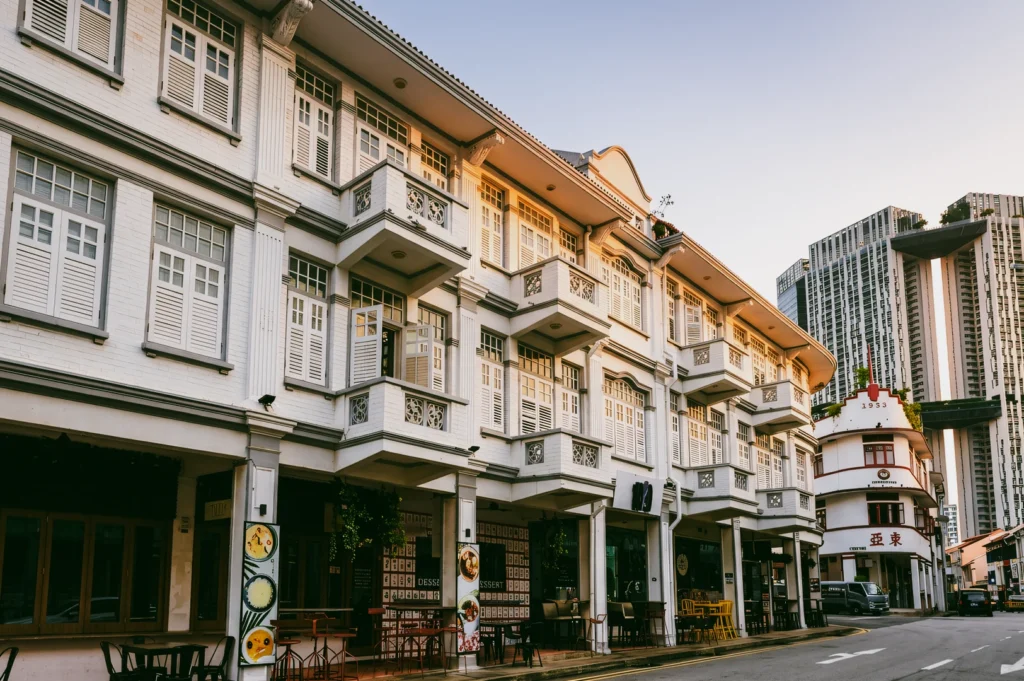
We usually treat walking as a purely functional activity. But Singapore heritage walks are not about moving from point A to point B. They are about reading the neighbourhood. Every street corner, every faded signboard, and every chipped ceramic tile holds a layer of narrative waiting to be understood.
When you look up from the pavement, you start to notice the intricate architectural details that tell the story of early immigrant craftsmen. You see the elaborate plasterwork of blooming lotuses, the brightly painted wooden shutters, and the decorative air vents designed to keep the interiors cool before air-conditioning existed. These details are not just aesthetic choices. They reflect the aspirations, beliefs, and practical realities of the people who built this city.
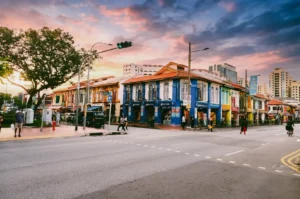
Historic neighbourhoods in Singapore, from the colorful lanes of Little India to the winding streets of Kampong Glam, act as open-air archives. They hold the memories of early traders, spice merchants, and families who lived in cramped quarters above their ground-floor businesses. For a closer look at how these stories continue to shape modern Singapore, read more here.
Living Ecosystems in Constant Motion
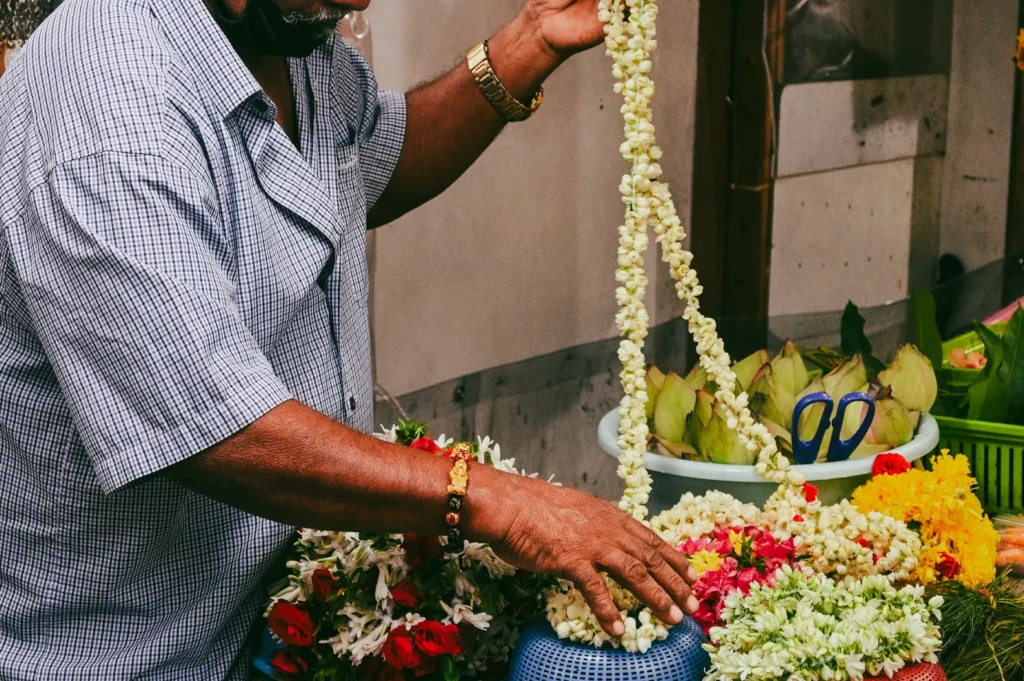
It is easy to look at a beautifully conserved building and view it simply as a historical monument. But these neighbourhoods are not frozen museums. They are living, breathing ecosystems in constant motion. The true heritage of a place does not live solely in its bricks and mortar; it lives in the people who occupy the space.
In Chinatown, the architecture might draw the eye, but the soul of the neighbourhood is found in the elderly residents gathering at the corner pavilion to play chess. In Little India, heritage is the rhythmic sound of a flower garland maker tying fresh jasmine and marigolds together, their hands moving with incredible, practiced speed.
How Communities Carry History Forward
It is the steady hum of prayers escaping from a temple, the clatter of delivery trucks unloading fresh produce at a wet market, and the overlapping conversations of neighbors sharing a table at the hawker centre.
These daily routines form the invisible framework of local culture in Singapore. The people who work, worship, and live in these areas keep the history alive. They maintain the customs, the languages, and the trades that give each district its distinct character. Without them, the beautifully restored facades would simply be empty shells.
Food as the Keeper of Memory

As someone who spends a lot of time in the kitchen, I always find myself drawn to the food of a neighbourhood. Food offers the most accessible and intimate entry point into our shared history. The hawker stalls, the traditional bakeries, and the old provision shops serve as the guardians of our collective memory.
When you walk through Joo Chiat or Katong, the heritage is palpable in the scent of rempah frying in a wok. The complex, spicy aroma of galangal, lemongrass, and dried shrimp tells a story of cultural blending and generation-spanning recipes. Eating a plate of nasi padang or biting into a perfectly layered piece of nonya kueh connects us instantly to the hands that prepared it and the ancestors who perfected it.
We relate to our history through our palates. A decades-old stall serving a simple bowl of prawn noodles holds just as much cultural weight as a heritage plaque. The hawkers who wake up before dawn to simmer broths and knead dough are practicing a vital form of preservation. They ensure that the flavors of the past remain accessible to us today, offering comfort and continuity in a rapidly modernizing city.
The Quiet Rituals of the Morning
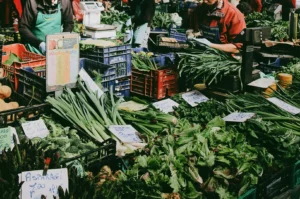
The morning rituals surrounding food are particularly revealing. If you stand near a wet market in Tiong Bahru, you witness a masterclass in community interaction. The butcher knows exactly which cut of meat his regular customer prefers.
The vegetable seller shares a quick cooking tip while bagging a bunch of leafy greens. These brief, transactional moments are heavily laced with trust and familiarity. They remind us that food is not just sustenance; it is the primary way we care for one another and build relationships within our communities.
The Push and Pull of Time
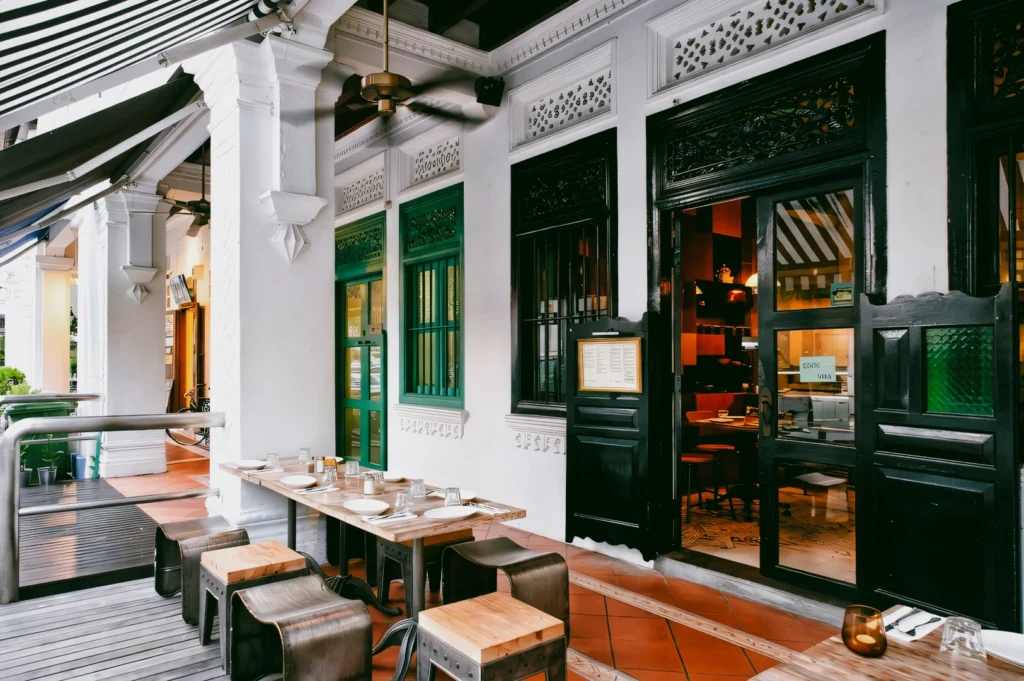
Of course, walking through these older districts also forces us to confront the tension between preservation and change. Singapore is a city that constantly builds and rebuilds. When you walk down a historic street, you inevitably see the friction between the old and the new.
You might notice a sleek, modern espresso bar operating right next door to a traditional Chinese medicinal hall. You might see a boutique hotel that has taken over a row of old shophouses, bringing a completely different demographic into the neighborhood.
This gentrification brings economic revitalization, but it also alters the fabric of the community. Traditional trades, like rattan weavers or lantern makers, slowly disappear as rents rise and older craftsmen retire without successors.
What We Choose to Preserve
This tension makes our walks all the more poignant. We observe what we have chosen to preserve and what we have allowed to fade away. It challenges us to think about what kind of city we want to inherit. Does heritage mean keeping everything exactly as it was, or does it mean allowing spaces to adapt while holding onto their core identity?
Observing these changes firsthand helps us appreciate the delicate balance required to honor our past while accommodating the future.
How to Walk with Intention
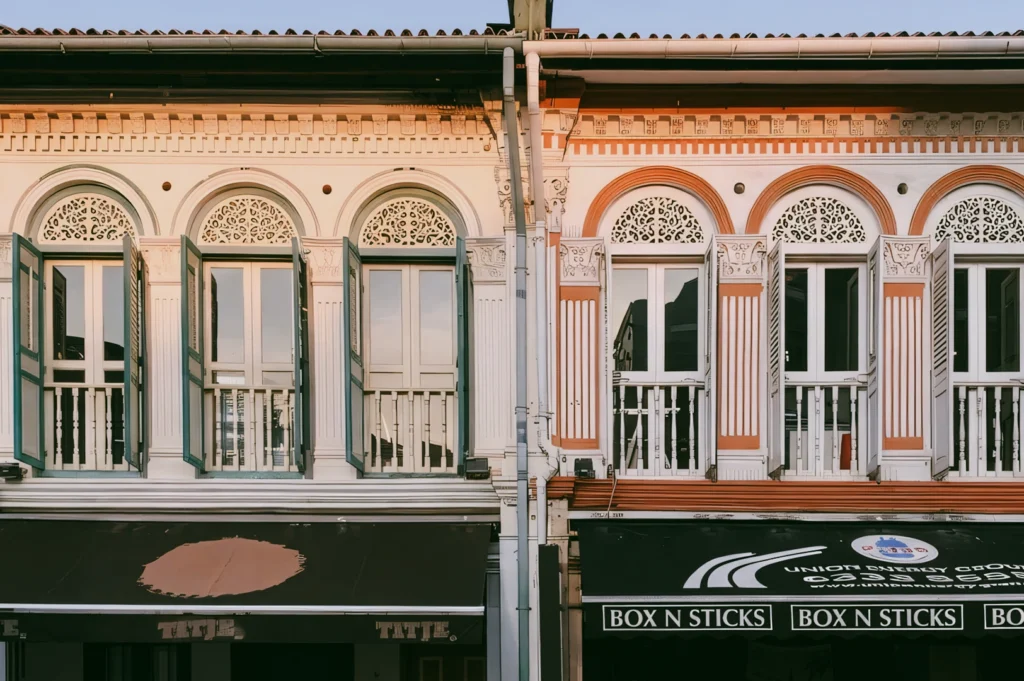
You do not need a map, a guided tour, or a specific itinerary to experience the depth of these neighbourhoods. You just need to change the way you pay attention.
Start by slowing your pace. When you walk, challenge yourself to look up at the second-storey windows instead of staring straight ahead. Notice the different textures of the walls, the fading paint of old commercial signs, and the specific way the light hits the narrow alleys.
Take out your earphones and listen to the sounds of the street. You will hear a complex symphony: the clatter of a wok, the chime of a bicycle bell, the murmur of a dialect you might not fully understand. Breathe in the scents of the neighbourhood.
Listening to the Rhythm of the Street
The smell of roasted meats, damp earth, crushed spices, and brewing tea all provide crucial clues about the life of the area. Pay attention to the people around you. Watch how they use the space. Notice where the older residents sit to rest, where the workers gather for their lunch break, and how the community interacts in the shared spaces of the five-foot ways.
Finding Meaning in the Familiar
We often travel thousands of miles to marvel at the history of foreign cities, while ignoring the rich, layered stories existing right in our own backyards. Our historic districts offer an endless source of wonder, provided we are willing to give them our time and our attention.
The next time you find yourself with a free weekend morning, choose a neighbourhood you think you already know perfectly well. Walk down its main street without a destination in mind. Slow your pace. Look up at the architecture, listen to the overlapping sounds of the community, and notice just one new detail.
The Little Things That Make a Place Feel Alive
It might be a beautifully carved wooden door you never paid attention to, the smell of fresh pastries from a corner bakery, or a quiet conversation between two old friends at a kopitiam table.
In that small, newly discovered detail, you will find the ongoing story of our city. You will see how our heritage refuses to be confined to the past, choosing instead to live alongside us, quietly shaping our present and our future.