
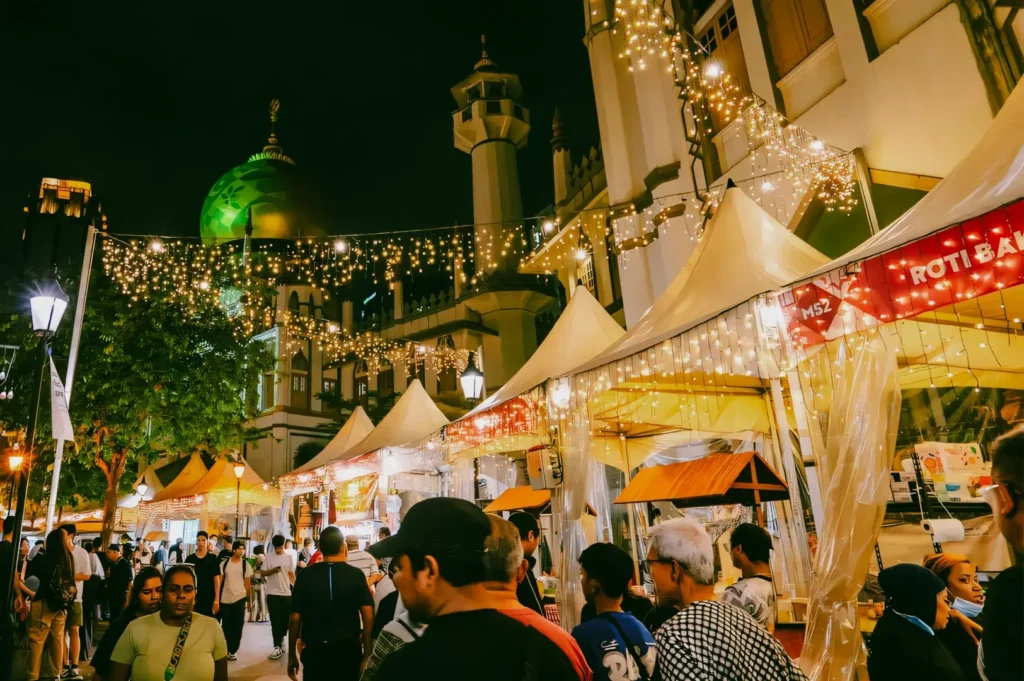
The humid evening air in Singapore carries a familiar shift, one you notice before you see the glowing lights or bustling crowds. It’s the unmistakable aroma of caramelized palm sugar, spiced smoke, and roasting meats wafting through the streets. From the lively Ramadan bazaars of Kampong Glam to Chinatown’s food stalls preparing snacks before Lunar New Year, these moments transform neighbourhoods into epicentres of flavour and anticipation. Don’t forget to experience these seasonal delights while they last.
Despite living in a city of hyper-convenience, where almost any dish can be delivered 24/7 from hawker centres or food courts, some foods remain tied to the calendar. They appear with the rhythms of festivals or seasons, dominating the streets for a brief window before vanishing. These seasonal delicacies are more than meals—they are cultural markers of time, memory, and community. Their return reminds us of the beauty of waiting, the excitement of anticipation, and the deep connection between food and tradition. In this article of Neighbourhood Life, you’ll also find tips for making the most of seasonal food in Singapore.
Food That Follows the Calendar, Not the Clock: Singapore Food and Seasonal Traditions
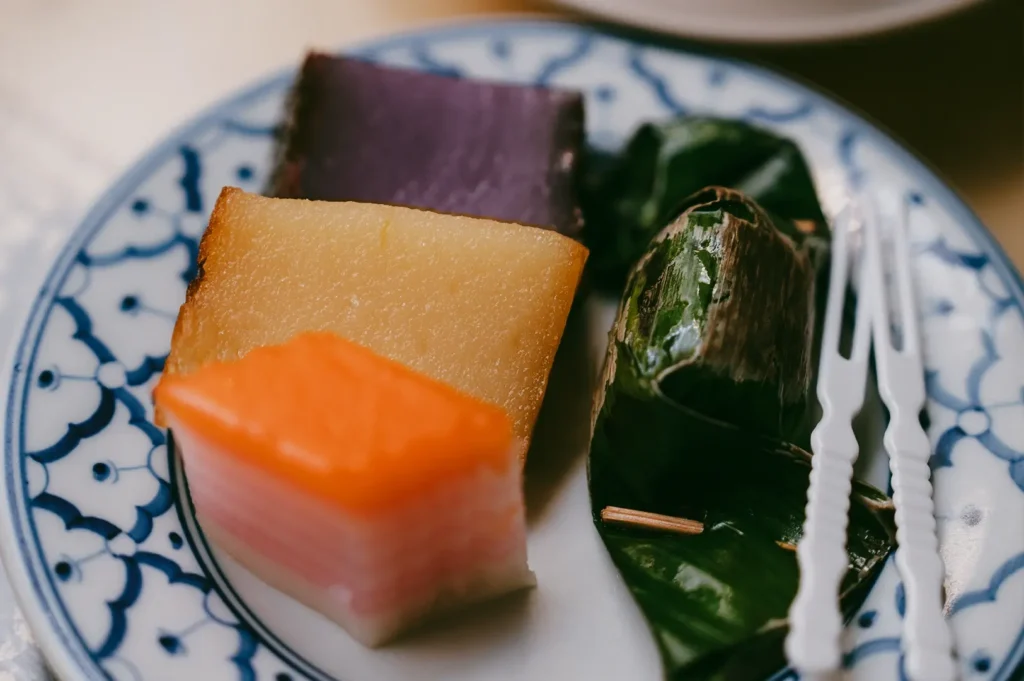
Seasonal food Singapore exists because of cultural and communal practices that transcend convenience. Historically, seasonality was tied to agricultural cycles—eating what was freshly harvested. In Singapore’s urban context, however, it’s culture and religion that dictate these rhythms. Festivals such as Lunar New Year, Ramadan, and Deepavali bring with them dishes that hold immense significance, reflecting both time-honoured rituals and shared identity.
These foods often require painstaking cooking and cannot be sustained year-round. Pineapple tarts for Chinese New Year or kueh during Ramadan are labours of love, often produced through collective effort. Because they are fleeting, their arrival becomes highly anticipated, and their absence amplifies their value. The scarcity gives them meaning—these dishes are tied not just to taste but to memory and celebration.
The Return of Familiar Tastes Across Neighbourhoods: Chicken Rice, Laksa, and More
Chinese New Year: A Sweet and Smoky Affair With Rojak and Char Kway Teow
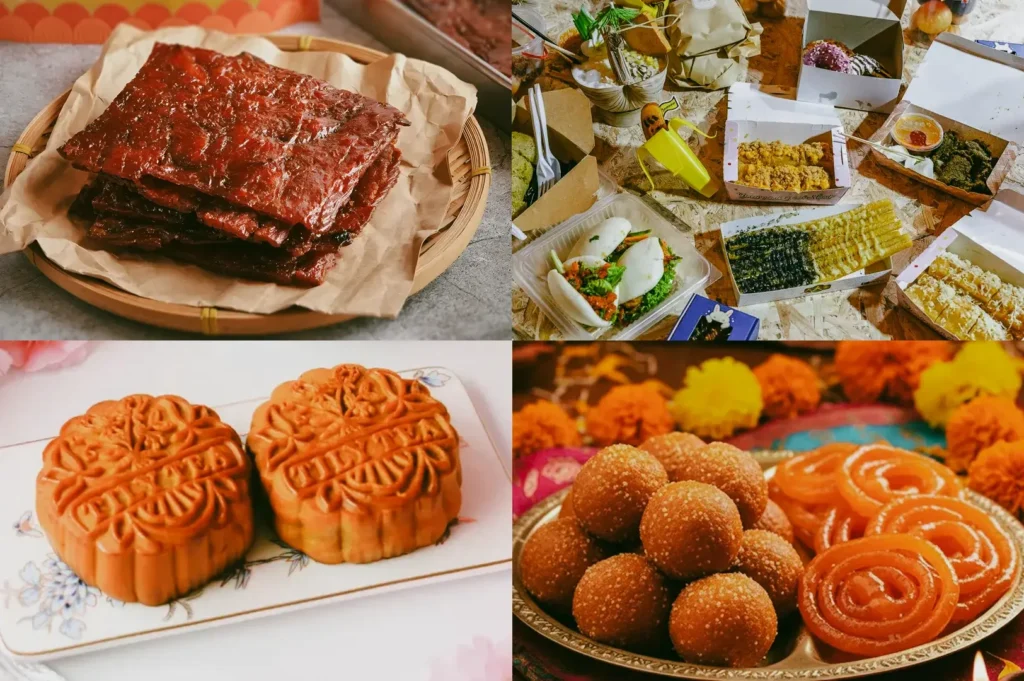
In Chinatown, the scent of bak kwa—sweet, smoky grilled pork with Chinese origins—fills the air as Lunar New Year approaches. Bak kwa is the defining seasonal treat of the Lunar New Year, although it is sold year-round. Some stalls attract a long queue, with people waiting for hours to get the best bak kwa, a testament to its popularity and quality.
The Michelin Guide has recognized certain Chinese New Year treats and stalls, further highlighting their reputation. Stalls line the streets, their offerings stacked high, while queues of eager patrons form outside bakeries for tins of buttery pineapple tarts. These snacks aren’t just festive indulgences; they symbolize prosperity and good fortune, a tradition passed through generations.
Nearby hawker stalls serve popular dishes like char kway teow, a beloved stir-fried flat rice noodle dish with roots in China, where similar noodle dishes are enjoyed in provinces such as Guangxi and Guilin. Char kway teow is cooked with egg, soy sauce, garlic, and bean sprouts, often accompanied by char siu.
The smoky wok hei flavour excites the taste buds, making it a must-try during festive seasons. For festive crab dishes, rich sauces made with egg yolk add depth and indulgence, while some versions of rojak include potatoes among the mix of vegetables and fritters. In high-end Chinese restaurants, hairy crabs are often featured during late autumn to winter for their prized roe.
Ramadan Bazaars: A Feast for the Senses With Coconut Milk and Spices
As night falls in Kampong Glam during Ramadan, the streets come alive with flavours. Grilled meats, colourful drinks, and kueh of every variety fill the stalls, creating a sensory overload. Many of these dishes feature coconut milk and palm sugar, lending a rich, sweet depth to the food. These foods fuel the nightly iftar meals for fasting Muslims and have become a celebration embraced by all Singaporeans, reflecting the city’s multicultural spirit.
Mid-Autumn Festival: Mooncakes and Wanton Mee Under Lantern Light
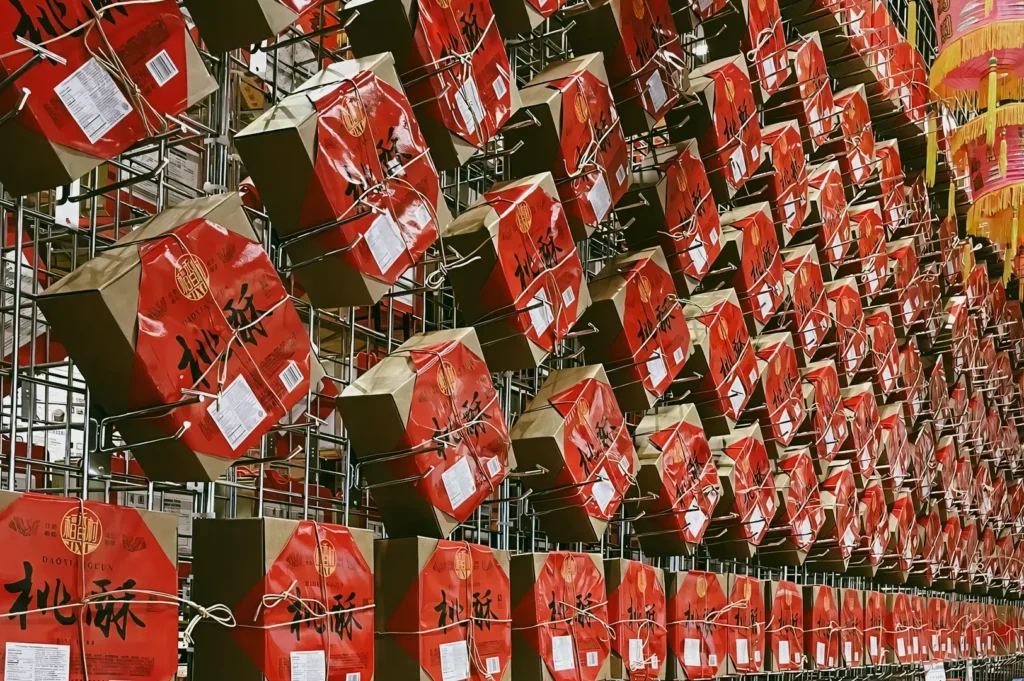
During the Mid-Autumn Festival, mooncakes take centre stage. These intricately filled pastries, often exchanged as gifts, represent reunion and gratitude. Neighbourhoods like Chinatown glow with lantern displays as families gather to celebrate, sharing mooncakes under the full moon. Enjoying tea with mooncakes is a cherished tradition, as the tea balances the richness of the mooncake filling and enhances the festive experience.
Chinatown is also a street food paradise, with dim sum shops and laksa stalls catering to every palate, making it a must-visit for food lovers in Singapore.
Alongside, hawker centres offer wanton mee, a popular dish of soft and springy egg noodles served with minced pork wantons, char siu slices, and spring onions, drizzled with soy sauce. This dish, with its balance of textures and savoury flavours, is a comforting favourite during the festival.
Deepavali: A Celebration of Sweets and Spices in Little India
In Little India, the streets shine brightly during Deepavali, the festival of lights. Alongside the vibrant decorations are shops selling Indian sweets—laddoos, jalebis, and burfis—carefully crafted for the occasion. These treats are more than desserts; they are offerings of joy and hospitality, deeply rooted in cultural tradition.
A highlight of Deepavali celebrations is the Banana Leaf Feast, or Vaazhai Ilai Virunthu, a traditional multi-course meal served on large banana leaves. This elaborate course features a variety of dishes, each representing one of the ‘6 tastes‘—sweet, spicy, bitter, sour, salt, and pungent—reflecting the Tamil cultural belief in a balanced meal.
Ayam Rendang, a dry curry of chicken cooked in coconut milk and spices, is also a popular Deepavali dish, showcasing the multicultural influences in Singapore’s festive cuisine. Murukku, a traditional snack made from rice flour and lentil flour, is commonly prepared during Deepavali, symbolizing auspiciousness and prosperity.
The use of rice flour and shredded coconut in many recipes highlights the abundance of fresh ingredients available during this season. Spices and curry dishes also feature prominently in festive meals, showcasing the rich culinary heritage of the Malay and Indian communities.
Durian Season: The King of Fruits and Seasonal Food Singapore
Beyond festivals, durian season is a culinary event in itself. Temporary roadside stalls pop up across neighbourhoods, drawing durian enthusiasts eager for the pungent, creamy fruit. Its fleeting presence makes it a seasonal treasure, sparking passionate debates about flavour profiles and “best” varieties.
How Place Shapes the Experience of Seasonal Food Singapore
Singapore’s neighbourhoods deeply influence the experience of seasonal food. Chinatown buzzes with tradition during Lunar New Year, while Kampong Glam’s Ramadan bazaars foster communal celebrations. Little India, rich in street food, culture, and history, comes alive during Deepavali with vibrant lights, sweets, and music, featuring local favourites like dosa and biryani.
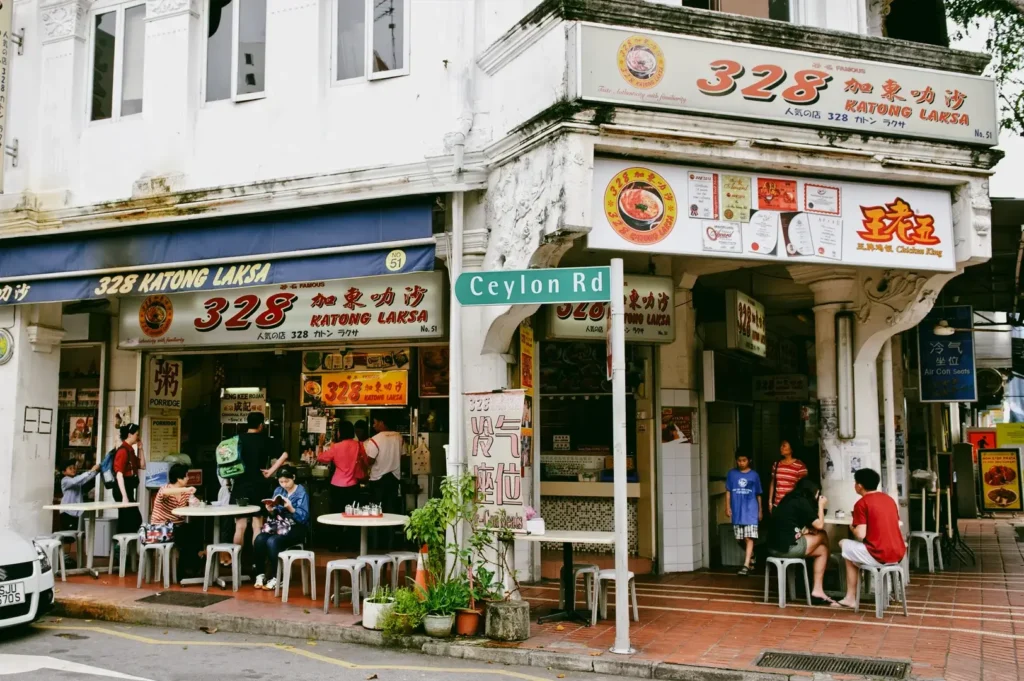
Katong, Singapore’s often underrated food neighbourhood, is renowned for traditional dishes such as laksa and wanton mee and its charming Peranakan architecture. Along East Coast Road, iconic seafood restaurants at East Coast Seafood Centre highlight the area’s culinary heritage. Each neighbourhood shapes the atmosphere, influencing how seasonal foods are prepared, shared, and enjoyed.
Maxwell Food Centre exemplifies hawker culture, famous for stalls like Tian Tian Chicken Rice, where fragrant rice cooked with garlic and chicken broth complements tender chicken and chilli sauce—capturing Singapore food’s essence. Their vibrant atmosphere offers a variety of Malay, Chinese, Indian, and other cuisines, fostering a strong sense of community.
Beyond hawker centres, Singapore’s dining scene ranges from traditional family eateries to sophisticated restaurants. Marina Bay offers a modern waterfront experience with luxury shopping and diverse dining options boasting iconic views of the financial district. For panoramic cityscapes, attractions like the Pinnacle Duxton Skybridge provide breathtaking perspectives, enriching the overall food experience.
The Value of Waiting — Why Scarcity Matters in Seasonal Food Singapore
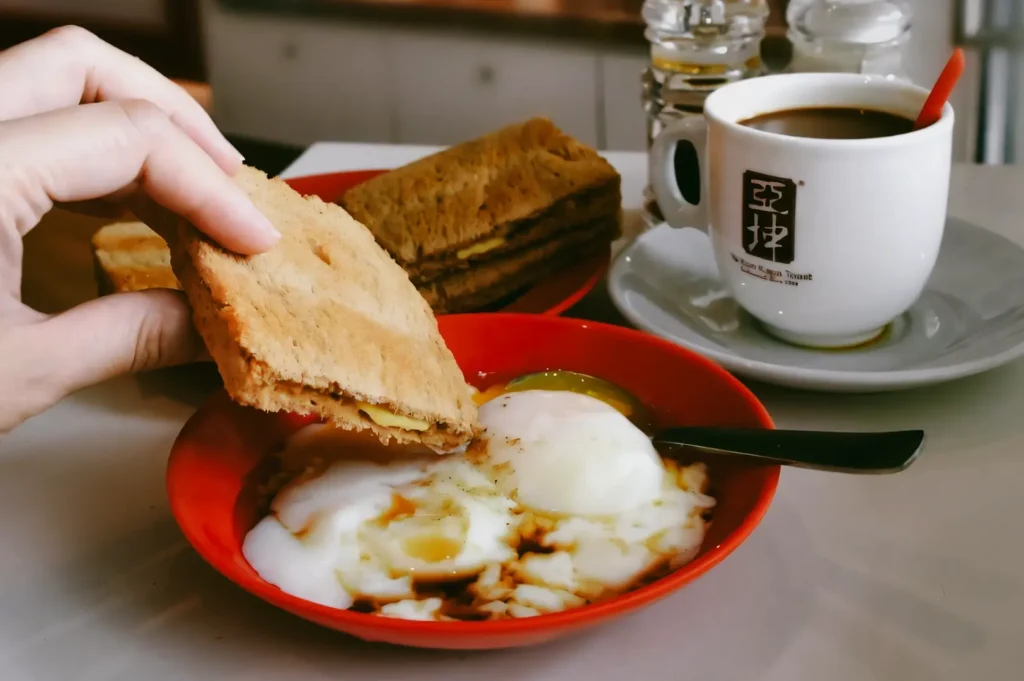
Anticipation is a powerful emotion, and seasonal foods thrive on it. Their scarcity builds excitement and emotional attachment, making their arrival feel like an event. These foods often evoke nostalgia, connecting people to their childhoods or family traditions.
For example, even a traditional Singaporean breakfast of kaya toast and soft boiled eggs can feel extra special when enjoyed during seasonal festivals or prepared with fresh, seasonal ingredients. The fleeting availability enhances their appreciation, turning each bite into a moment to savour.
Shifting Traditions in a Modern City: From Food Stalls to Restaurants and Food Courts
When Seasonal Becomes Everyday
As some seasonal foods become commercially available year-round, their significance can shift. Pineapple tarts or mooncakes sold outside of festivals lose some of their anticipation but gain accessibility for those who enjoy them regularly.
What Changes When Timing Disappears
While year-round availability makes these foods more convenient, it risks diluting their cultural meaning. The careful rhythm of waiting gives way to instant gratification, and traditions tied to specific times of year may start to fade.
Pros of year-round availability:
Accessibility for new audiences
Economic opportunities for businesses
Cons of year-round availability:
Loss of cultural significance
Reduced anticipation and excitement
Seasonal Food Singapore as a Marker of Identity
Seasonal foods are far more than culinary delights; they are cultural anchors. They mark time, bring communities together, and reinforce identity. Sharing these dishes connects generations, preserving traditions for the future while creating new memories in the present.
The Power of “For Now” in Singapore Food
Seasonal foods remind us that not everything should be available all the time. Their temporary nature teaches us to wait, to savour, and to celebrate.
As these dishes return to Singapore’s neighbourhoods, they bring with them a sense of tradition, community, and the simple joy of something fleeting but meaningful. Seek them out when they appear and enjoy the stories they carry—before they’re gone again.