
Every day, we walk past green metal signs without giving them a second glance. We punch street names into our navigation apps and hurry to our next destination. Yet, if we pause to look closely, we find that Singapore’s street names act as vivid time capsules. They hold the memories of our city’s rapid transformation from a quiet trading post to a sprawling urban hub.
Take Jalan Besar, for instance. If you translate it directly from Malay, it simply means “Big Road.” Today, it is a bustling artery lined with hardware stores, specialty cafes, and historic shophouses. But step back into the 1830s, and you would find yourself standing in a vast betel nut and fruit orchard.
The road originally served as a simple dirt track carved through a dense plantation. As the settlement expanded, this humble path grew wider and longer.
The community eventually cemented its literal name into our urban geography. It reminds us of an agricultural past that we paved over long ago.
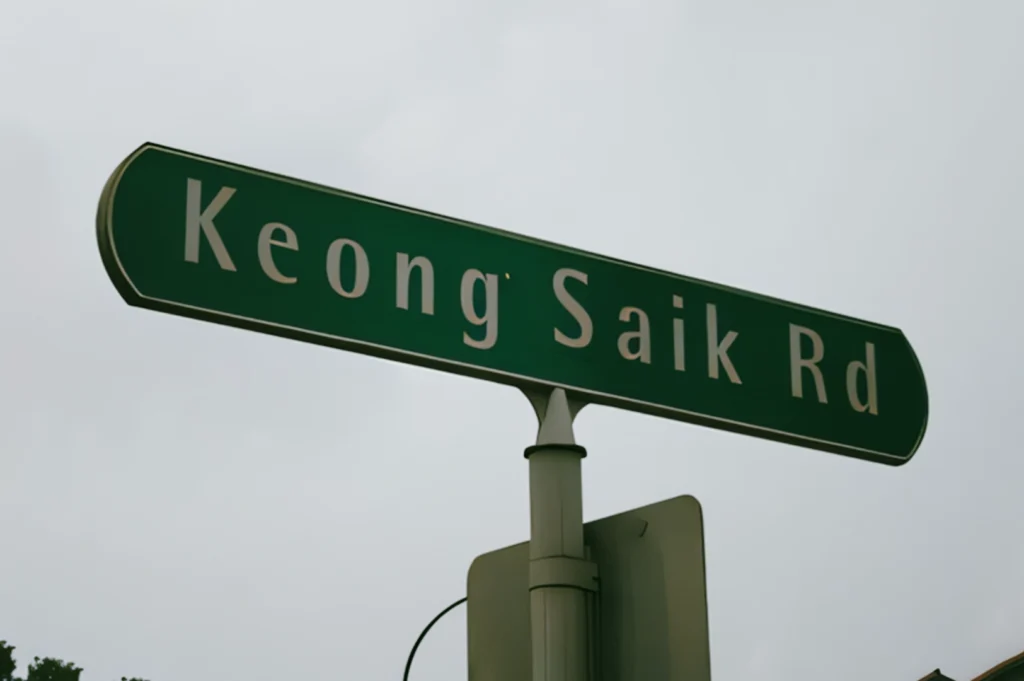
A few kilometers away lies Keong Saik Road. This curved stretch gets its name from Tan Keong Saik, a prominent local businessman and community leader in the nineteenth century. For decades, the area carried a notorious reputation as a busy red-light district. You could hear the constant clatter of mahjong tiles and see the glow of neon signs late into the night. Now, it stands as one of the most vibrant lifestyle enclaves in the city.
Boutique hotels and award-winning restaurants occupy those very same preserved shophouses.
From red-light districts to bustling commercial hubs, the transformation of these streets highlights the dynamic history of Singapore’s urban landscape.
The shophouses along these roads are more than just buildings; they are storytellers of a bygone era, adapted for modern life. To dive deeper into the architectural and cultural significance of these iconic structures, you can read more here.
The street evolved entirely, but the architecture preserved its rich, complex heritage.
Our streets do much more than just guide traffic. They trace the physical and cultural map of who we are. They tell clear stories of immigrant pioneers, colonial planners, and early settlers who built this city from the ground up.