weekday-menu-adaptation-vs-weekend-tasting-menus-singapore-eateries
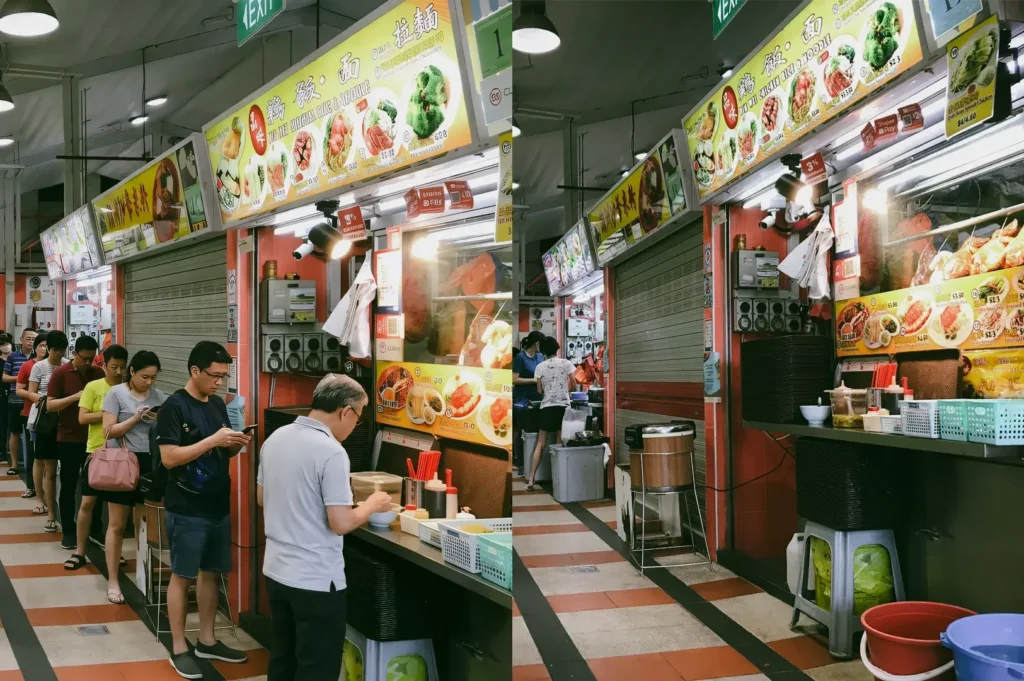
Stand outside any local cafe or restaurant on a Tuesday at 12:30 PM, and you will feel a distinct, electric tension in the air. The queue moves with ruthless efficiency. Customers tap their cards against payment terminals before the cashier even finishes stating the total. People eat with their eyes glued to their phones, mentally preparing for the 1:30 PM meeting. This weekday menu adaptation is a crucial part of how eateries serve the fast-paced city life.
Return to that exact same spot on a Sunday morning at 10:00 AM, and you might think you have walked into an entirely different establishment. The lighting feels softer. The ambient noise shifts from rapid-fire orders to the low, rumbling hum of prolonged conversation. Diners linger over their local coffee cups, completely unbothered by the passage of time.
This profound shift in atmosphere is not an accident. It is a direct reflection of our own changing needs. As we transition from the structured demands of the workweek to the expansive freedom of our days off, our relationship with food fundamentally changes. To survive and thrive, the best neighborhood eateries Singapore has to offer act as mirrors to the community. They observe the ebb and flow of our daily routines and quietly adjust their menus to match. The subtle art of the weekday menu adaptation versus weekend tasting menus tells a fascinating story about how we live, work, and rest.
The Weekday Rush at Hawker Centres: Speed, Convenience, and Functionality
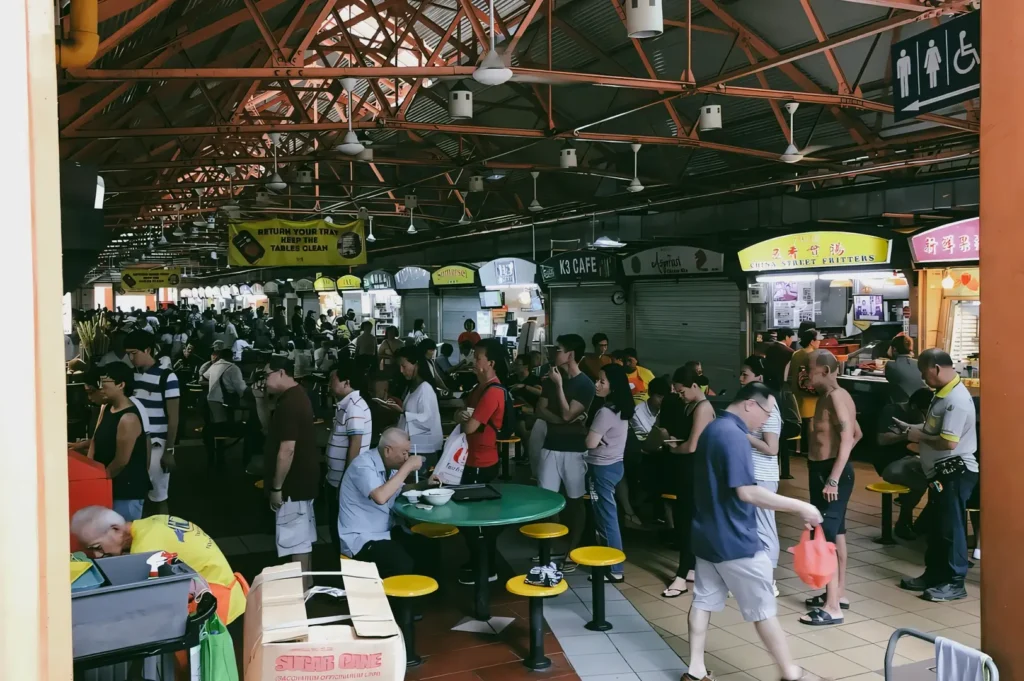
Monday through Friday, the city operates on a strict, unforgiving clock. Time is our most heavily rationed resource. When we step out of the office or work-from-home setup for a meal, we are not looking for a prolonged culinary adventure. We want immediate sustenance. We want food that is hot, reliable, and served fast.
Hawker centres, such as the famous Maxwell Food Centre, understand this assignment perfectly. They know that a customer waiting more than fifteen minutes for a weekday lunch is a customer who will likely not return. Consequently, the kitchen operates like a well-oiled machine, prioritizing speed and functionality above all else.
During these high-pressure hours, the menu tightens. Complex, labor-intensive dishes take a back seat. Instead, chefs push items that can be prepped in advance and assembled in minutes. The focus is squarely on getting you fed and getting you back to your desk with minimal friction.
Lunchtime Escapes: Fried Chicken, Hainanese Chicken Rice, and More
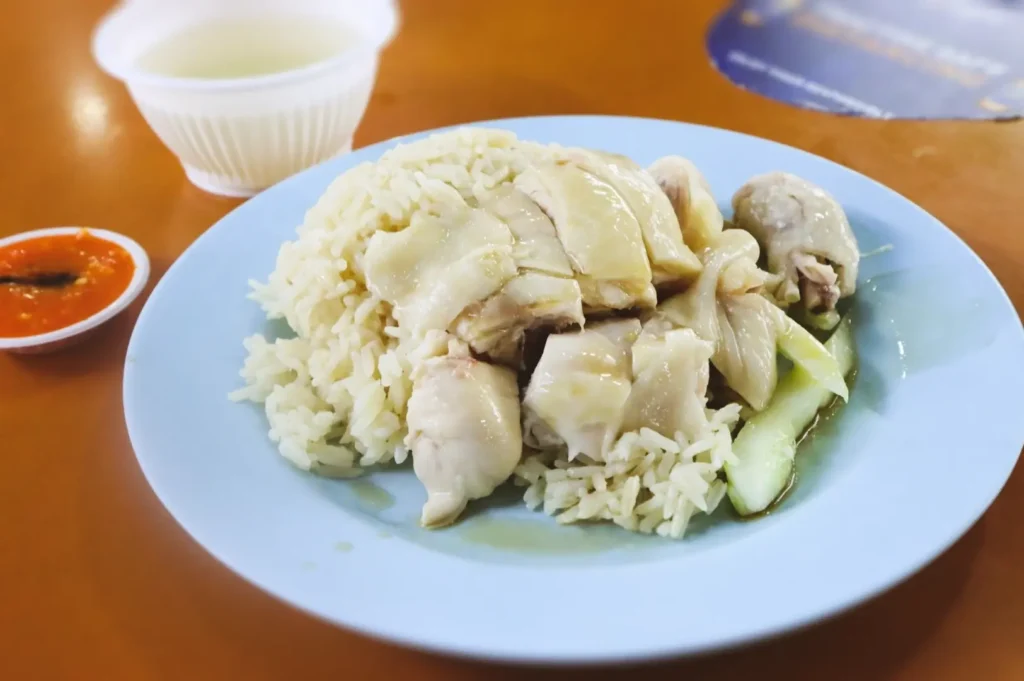
Watch a neighborhood hawker stall handle the weekday lunch hour, and you witness a masterclass in controlled chaos. The menu during these hours heavily features quick fixes. You will see an abundance of signature dishes like fragrant rice served with tender hainanese chicken rice, crispy fried chicken accompanied by chilli sauce or hot sauce, and simple noodle bowls packed with fresh veggies, prawns, and spices.
When you have a narrow forty-five-minute window to eat, you do not want to negotiate sharing plates with colleagues or pore over a sprawling menu. You want a single, cohesive plate of food. Think of the reliable chicken rice stall at Maxwell Food Centre that chops and plates a meal in under sixty seconds or a modern cafe offering a simple soup-and-sandwich combo.
These meals offer a brief, comforting escape. They provide just enough flavour and warmth to break up the monotony of the workday without inducing a heavy, post-lunch crash. Eateries tailor these offerings perfectly, ensuring the food is easy to eat, simple to digest, and packaged conveniently for those who need to grab a box and run. A spoonful of creamy coconut-based sauce or a side of fresh cucumber and ginger can elevate these quick meals.
Evening Transitions: From Lunch to Dinner at Local Restaurants and Bars
As the sun dips below the horizon and the clock strikes 6:30 PM, the neighborhood undergoes its first major transition. The frantic, caffeine-fueled energy of the afternoon dissolves. Laptops are finally snapped shut. The physical posture of the customers visibly relaxes.
The evening crowd differs significantly from the lunchtime rush. These are people returning home, shedding the armor of their professional identities. The eatery must now shift its role from a mere refueling station to a sanctuary of decompression. The menu expands slightly to accommodate this changing mood.
While diners still appreciate relatively quick service—after all, it is a weeknight, and alarms will ring early the next morning—they are far more willing to sit and breathe. You start to see side dishes appearing on tables. A quick plate of noodles is now accompanied by a shared plate of dumplings or a dish of tofu cooked with fresh spices. A glass of wine or a cold beer replaces the iced lattes of the afternoon. The neighborhood eatery anticipates this transition, dimming the lights slightly and offering food that feels less like a functional necessity and more like a gentle reward for surviving the day.
Weekend Slowdown in Kampong Glam and Beyond: More Time, More Flavours, More Choices
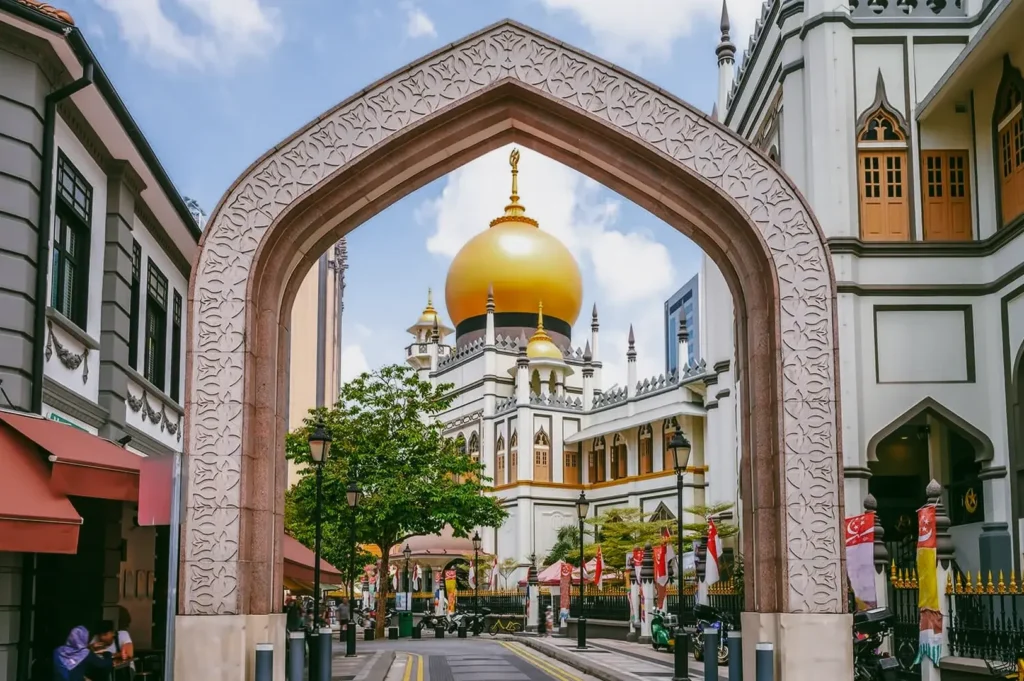
Then comes Saturday morning, bringing with it a collective exhale. The rigid structures of the week fall away, leaving behind a wide, open expanse of time. On weekends, we do not eat just to survive until the next meeting. We eat to connect, to celebrate, and to indulge.
Neighborhood eateries undergo a radical transformation to meet this shift in consumer psychology. The constraints of the weekday clock vanish. Kitchens no longer have to optimize every single second of prep time. This newfound breathing room allows chefs to flex their creative muscles and introduce elements that would be entirely impractical on a Tuesday afternoon.
The weekend menu is inherently slower. It invites you to linger. It encourages you to order a second cup of local coffee or a refreshing lime juice and actively ignore the notifications on your phone. The dishes themselves become more complex, requiring longer cooking times or intricate plating. This is where the magic of local dining adaptations truly shines. The eatery transforms from a place you pass through into a destination where you happily anchor your entire morning or dinner.
Weekend Tasting Menus and Communal Dining: A Feast for the Weekend Crowd
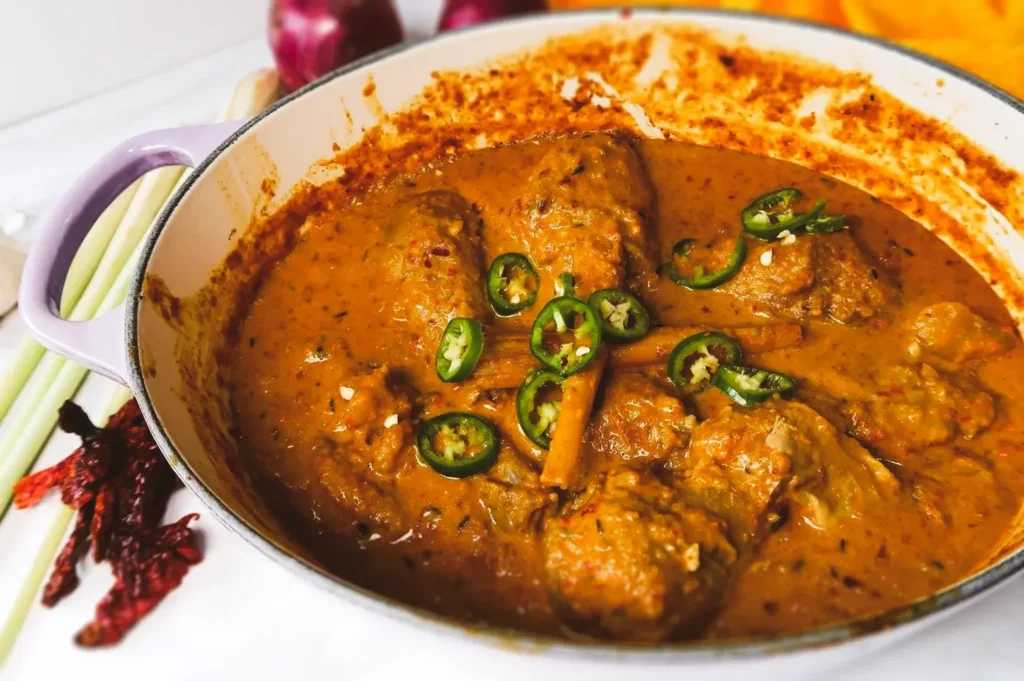
When you open a weekend menu, the language and structure of the offerings change. The functional, one-bowl quick fixes are replaced by meals designed for sheer enjoyment. You will often find ingredients that feel a little more luxurious or require a bit more patience to prepare. Dishes like burnt ends, seafood mixes with prawns and fresh veggies, or creamy cheese and coconut-infused curries appear alongside classic favorites.
A cafe that serves simple, grab-and-go pastries on Wednesday might roll out an elaborate, slow-cooked signature dish like roti prata with spicy chilli sauce on Sunday. The kitchen anticipates that customers have the time and desire to indulge in these richer, more complex flavors.
The entire dining experience stretches out. You order appetizers, perhaps a fresh salad with carrot, cucumber, and lettuce tossed in a tangy soy sauce dressing. You peruse the dessert display for a sweet ending. You savor the food because the meal itself is the main event of your day, rather than just an intermission between tasks. The eatery matches this energy perfectly, providing the space and culinary variety to turn a simple breakfast or lunch into a memorable feast.
Social Gatherings and the Role of Food inSocial Gatherings and the Role of Food in Weekend Menus
Perhaps the most significant difference between the weekday and weekend menu lies in how the food is consumed. Weekdays are often characterized by solo dining or quick, transactional meals with colleagues. Weekends, however, are deeply communal.
Neighborhood eateries become the default gathering spaces for multi-generational families and large groups of friends catching up after a long week. To accommodate this, the menu shifts heavily toward shareability. Instead of individual portions, you see the introduction of large-format dishes. A whole steamed fish, a massive platter of roasted vegetables, or a towering stack of pancakes meant to be divided among four people.
These shared plates do more than just feed a crowd; they facilitate connection. Passing a bowl of food across a table forces interaction. It breaks down barriers and sparks conversation. Eateries intentionally design their weekend offerings to support these social rituals. They push tables together, provide extra sharing plates, and curate dishes that spark joy when divided among loved ones. The food becomes the physical centerpiece of the community’s social life.
Finding Hidden Gems: Mapping Your Culinary Journey in Singapore
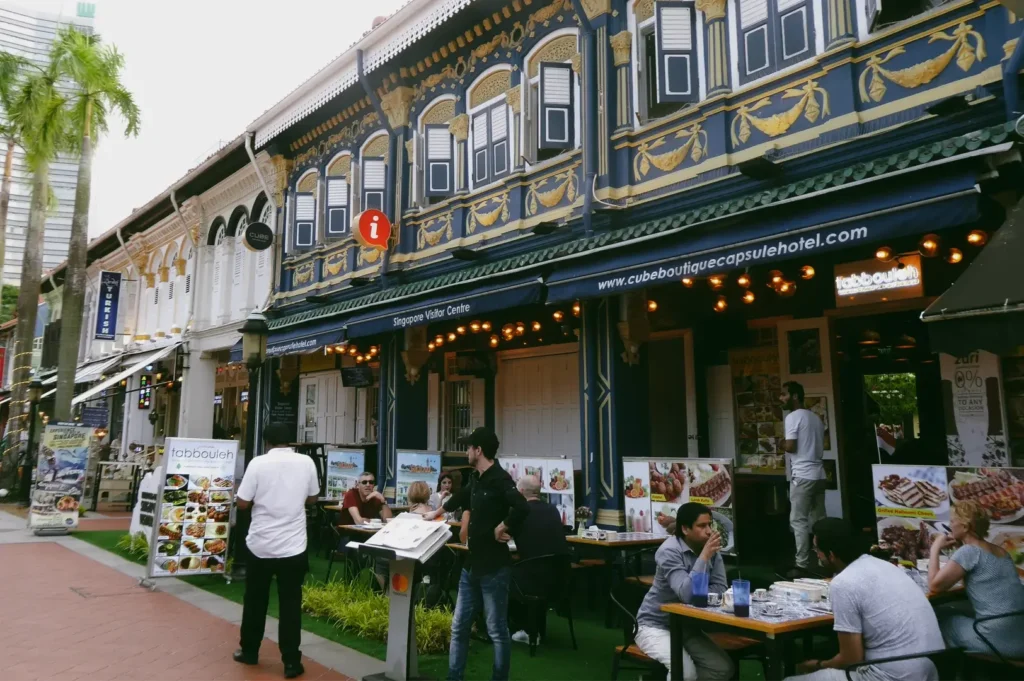
Whether you are exploring hawker centres like Maxwell Food Centre or seeking a hidden gem in the vibrant Kampong Glam district, Singapore’s food scene is rich with options. Using a Google Map to plan your food adventures can help you discover favorite restaurants serving everything from hainanese chicken rice with fragrant rice and ginger to spicy fried chicken with chilli sauce.
No matter where you dine, the city’s eateries balance the weekday menu adaptation with weekend tasting menus to ensure every meal, whether lunch or dinner, hits the right notes for the moment. From the crispy roti prata served with creamy coconut curry to the perfectly cooked seafood dishes, Singapore’s food culture remains a crucial part of its identity.
The Rhythm of the Neighborhood: More Than Just a Meal
We often view restaurants simply as businesses that exchange food for money. But when you look closer, particularly at the small, independent spots embedded in our residential estates, you see something much more profound. These eateries are the living, breathing barometers of our neighborhoods.
They trace the arc of our weeks. They provide the necessary fuel when we are pushing hard against our deadlines, and they provide the comforting embrace when we finally have the time to rest. The evolution of the weekday menu adaptation versus weekend tasting menus is a testament to the resilience and empathy of the people who feed us. They adapt to our rhythms so seamlessly that we rarely even notice the effort involved.
The shift in dining habits from weekday efficiency to weekend indulgence mirrors the cultural vibrancy of each neighborhood. Neighbourhood Life SG delve into how eateries, much like the communities they serve, shift their pace to match the mood of the neighborhood, becoming places that reflect more than just food—they reflect the very essence of where we live